
Valencia & Murcia
Two regions, one increasingly connected coastline
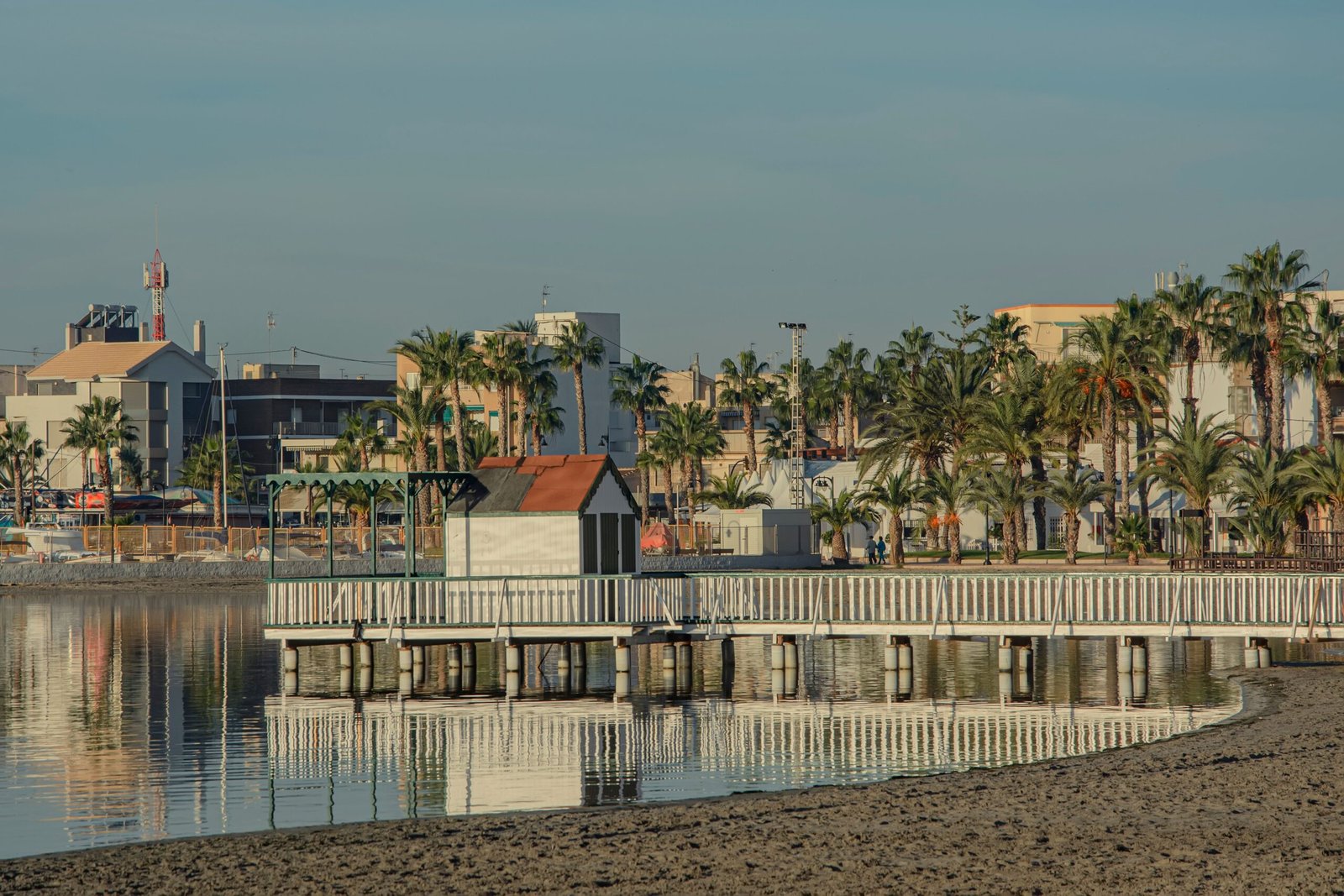
Valencia and Murcia together cover more than 500km of Mediterranean coastline south of Catalunya — from the orange groves of Castellón to the salt lagoon of the Mar Menor. Valencia city has become one of Europe's most talked-about relocation destinations in recent years: ranked repeatedly among the best cities in the world for quality of life, with a growing international and remote-work population that has little to do with the traditional retiree market further south.
Murcia, by contrast, remains one of Spain's best-value regions for property, anchored by La Manga Club — one of Europe's most established golf and sports resorts — and a mild, dry climate that rivals anywhere on the Mediterranean.
Both regions share excellent transport links: Valencia and Alicante airports sit at either end of this stretch of coast, with Murcia's own Región de Murcia airport adding a third option closer to the Mar Menor.
Speak to a Valencia & Murcia specialist → The Roman Theatre, Cartagena
Four areas, two very different markets
From a European capital city to a resort built around a single golf and sports club — Valencia and Murcia offer some of the widest lifestyle range on the Spanish coast.
A capital reinvented
Valencia City
Spain's third-largest city, and increasingly its most liveable: a historic centre, 9km of urban beach, the futuristic City of Arts and Sciences, and one of Europe's largest urban parks — the old riverbed Turia Gardens — running straight through the middle of it. Property spans restored Art Nouveau apartments to new-build developments near the beach, with a market that has professional, year-round demand rather than a purely seasonal one.
Orange groves and quiet coves
Costa del Azahar
Castellón province's "Orange Blossom Coast" runs from Vinaròs to Sagunto, anchored by the walled medieval town of Peñíscola. Less internationally developed than the Costa Blanca to the south, it offers lower prices, quieter beaches, and a strong domestic Spanish rental market alongside a smaller but growing international presence.

History, ports and value
Murcia City & Cartagena
Murcia city offers a genuine, affordable Spanish urban market with strong university and professional demand, while Cartagena — one of the best-preserved Roman port cities in Spain — combines a working naval and cruise port with an emerging historic-centre renovation market at prices well below the coast.
A resort built around a lagoon
La Manga & the Costa Cálida
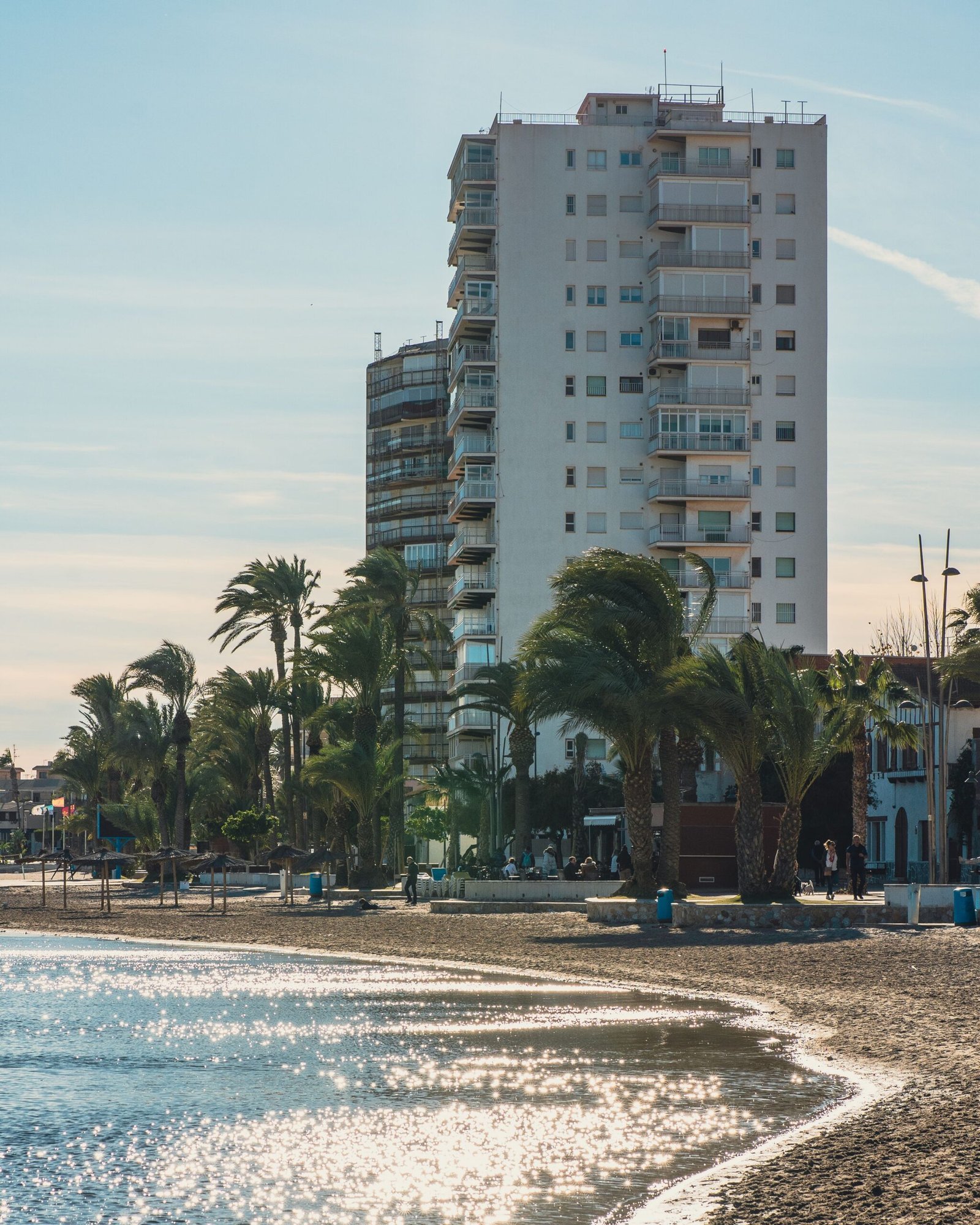
A 21km sand spit separating the calm, warm Mar Menor lagoon from the open Mediterranean, home to La Manga Club — one of Europe's most established golf, tennis and sports resorts, with decades of British and Irish ownership behind it. The wider Costa Cálida, including San Pedro del Pinatar and Los Alcázares, remains one of the best-value coastal property markets in Spain.
The food that comes with the house
This is rice country — the birthplace of paella — layered with Murcia's huerta vegetable tradition and Mar Menor seafood.
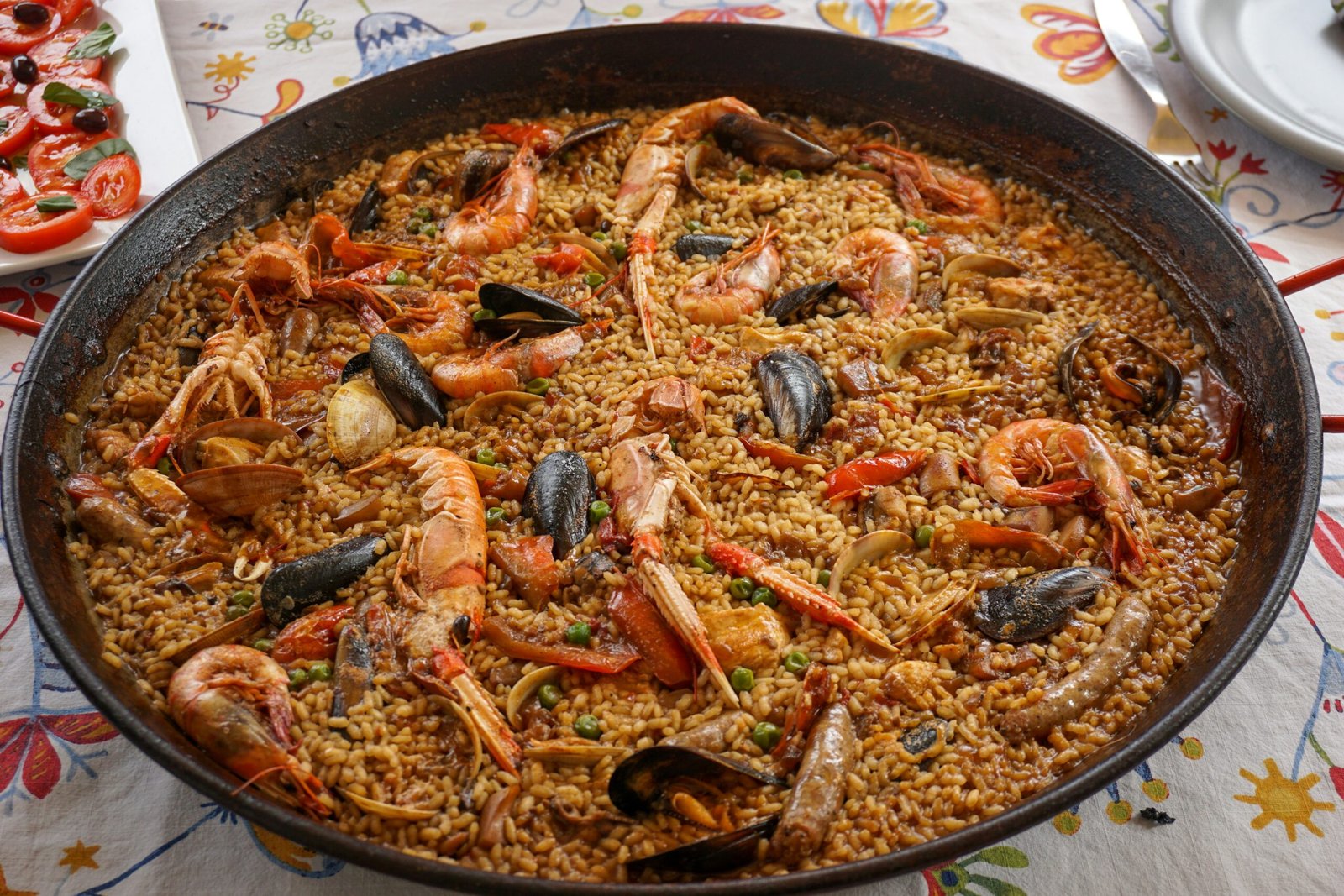
Paella valenciana
The original — rabbit, chicken, flat green beans, garrofón beans and saffron rice, cooked over an open flame. Everything else called "paella" is a variation on this Valencian original.

Horchata & fartons
Valencia's own tiger-nut milk, grown in the market gardens around Alboraia, paired with soft sugar-glazed pastries — an institution, not a tourist novelty.

Caldero
The Mar Menor's signature rice dish: fish stock rice served with garlic mayonnaise and the freshly caught rockfish it was cooked with — the maritime answer to paella.

Zarangollo
Scrambled eggs with courgette and onion — humble, ubiquitous, and one of the most-ordered tapas in any Murcian bar.

Paparajotes
Lemon leaves dipped in batter, fried, and dusted with sugar and cinnamon — a Murcian dessert with genuinely nowhere else in the world to try it properly.

Cocido murciano
A hearty chickpea, vegetable and meat stew finished with "pelotas" — seasoned meatballs — a Sunday classic across the region's inland towns.
Jumilla & Yecla wine country
Murcia's inland Jumilla and Yecla DOs produce increasingly respected reds from old-vine Monastrell, thriving in some of the highest-altitude, most drought-resistant vineyards in Spain — a genuinely under-the-radar wine region for residents willing to explore inland.

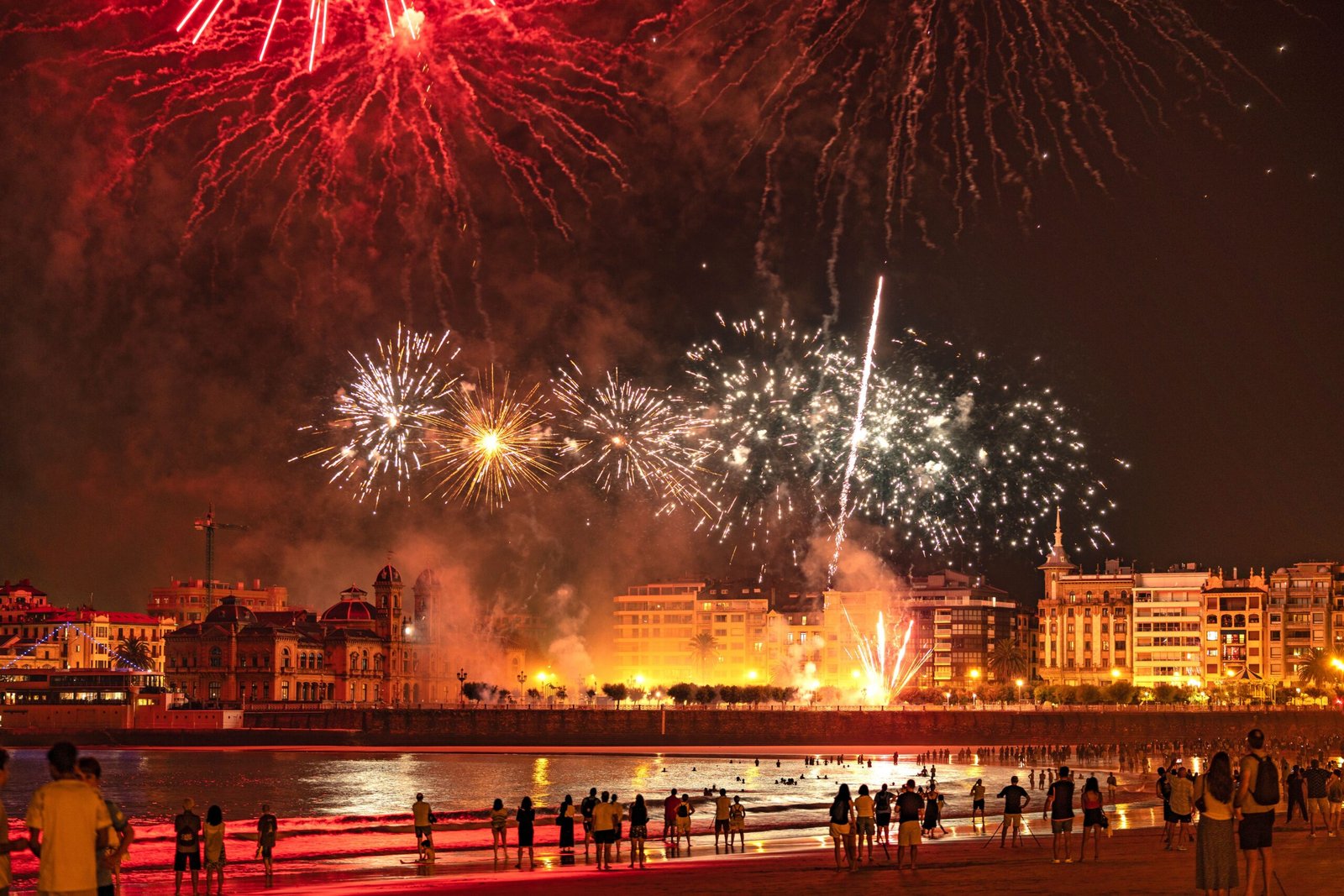

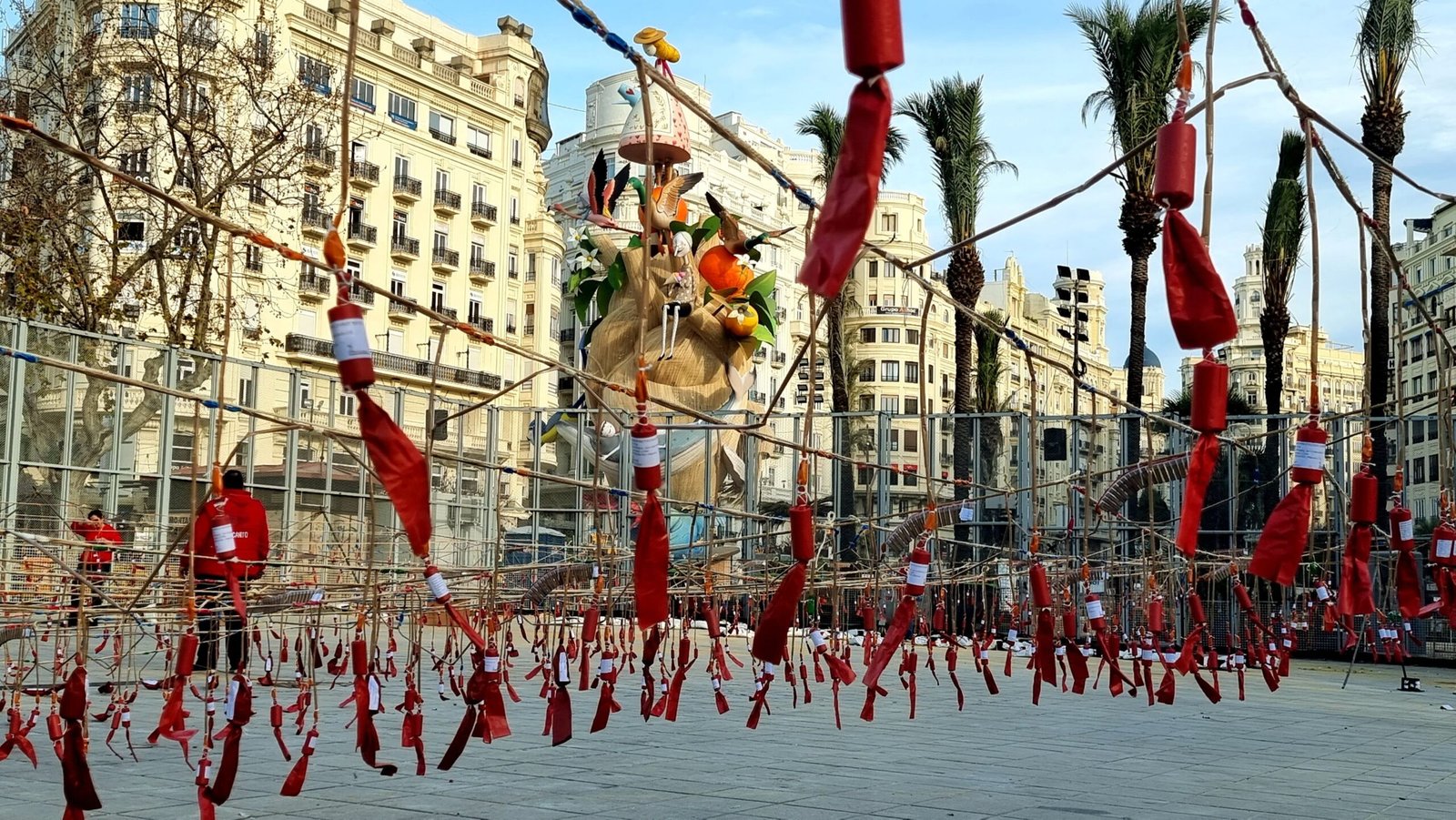
Fire, fireworks and the world's biggest food fight
Valencia's festival calendar is among the most internationally famous in Spain — Murcia's is quieter, but no less deeply rooted.
Las Fallas
UNESCO-recognised and among the most spectacular festivals in Europe: giant satirical sculptures fill Valencia's streets before being burned on the final night, alongside daily fireworks (mascletà) and round-the-clock street life.
La Tomatina
The world's biggest food fight, held in the small town of Buñol, an hour from Valencia: an hour of pure tomato chaos that draws visitors from across the globe.
Semana Santa de Lorca
One of Spain's most spectacular Holy Week processions, featuring elaborately embroidered "paso" costumes and a friendly rivalry between the city's two historic brotherhoods.
Bando de la Huerta
Murcia city's spring festival celebrates its market-garden heritage with traditional dress, huerta food stalls and a city-wide parade — one of the region's most genuinely local celebrations.
Village markets
Weekly markets remain a fixture across both regions, from Cartagena's Wednesday market to the huerta produce stalls on the outskirts of Murcia city.
Golf, sailing and a lagoon of your own
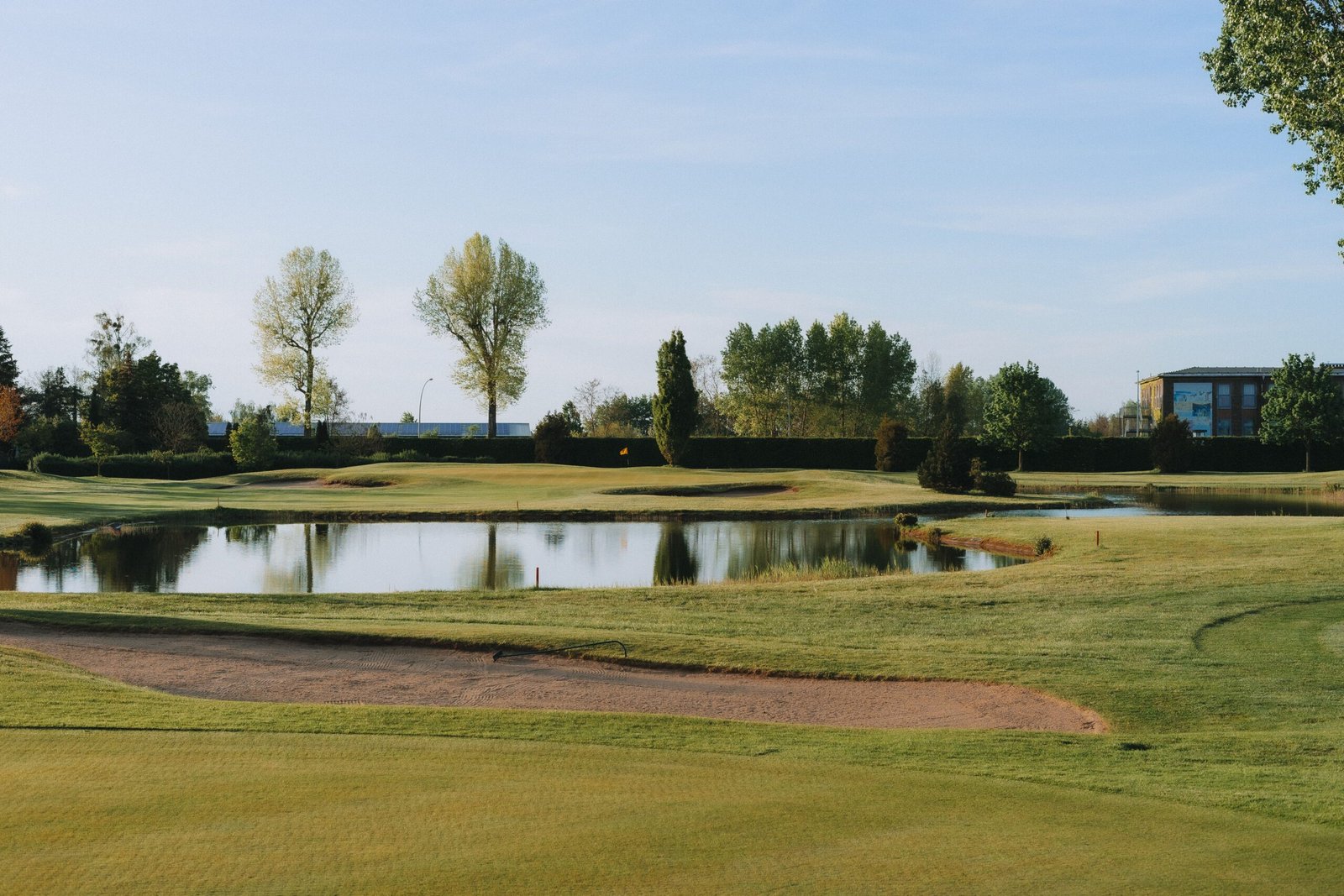
Between them, Valencia and Murcia hold two of Spain's most historically significant golf destinations.
Featured
La Manga Club
One of Europe's original destination golf resorts, hosting professional tours and national football teams' pre-season training for decades.
La Manga Club — three championship courses and a residential community with its own decades-old international identity. El Saler — a Javier Arana-designed course near Valencia, long ranked among Spain's best and a former Spanish Open venue.
Sailing on the Mar Menor
Europe's largest saltwater lagoon offers uniquely calm, warm sailing conditions — ideal for beginners and families, with year-round sailing schools around La Manga.
Cycling the Turia Gardens
Valencia's old riverbed, now a 9km linear park, gives the city one of the best urban cycling networks in Spain, running from the historic centre to the beach.
Diving & the Cabo de Palos reserve
The marine reserve at Cabo de Palos, at the tip of La Manga, is one of the richest and best-preserved dive sites on Spain's Mediterranean coast.
Jumilla & Yecla wine routes
Old-vine Monastrell country inland from Murcia, with a growing number of bodegas open for tastings — still largely undiscovered by international visitors.
Padel & tennis clubs
La Manga Club alone runs one of Europe's largest tennis and padel academies, with a wider club network across both regions welcoming new residents.
Golf
La Manga Club and El Saler anchor a wider network of courses across both regions — see featured above.
Two very different international communities
Valencia's international population is young, professional and growing fast; Murcia's, centred on La Manga, is older, golf-focused and long-established.
International Education
- Caxton College British National Curriculum school near Valencia, one of the region's most established international options.
- The British School of Valencia British curriculum school serving Valencia's growing international and professional community.
- El Limonar International School Murcia British curriculum school serving the international community around Murcia and the Mar Menor.
- King's College Murcia A British curriculum option with a bilingual approach, popular with relocating families.
Clubs & Associations
- British Chamber of Commerce (Valencia & Murcia) Regional business networks active in both Valencia city and the Murcia region.
- Valencia International Club A growing social network for the city's expanding international and remote-work community.
- La Manga Club community associations Decades-old resident groups organising social, sporting and charitable activities around the resort.
- Golf, sailing & padel clubs with international membership Especially around La Manga, where foreign residents form a long-established core of the community.
Start your search in Valencia & Murcia
Tell us which area interests you — Valencia city, Costa del Azahar, Cartagena, or La Manga — and one of our advisors will be in touch within 24 hours.
Request a free consultation →