
Madrid
A different kind of Spanish property market
Madrid is the one region in this guide with no coastline — and for a specific kind of buyer, that's exactly the point. This is Spain's political and financial capital, home to the country's largest concentration of multinational headquarters, its busiest airport, and by far its deepest, longest-established international business and diplomatic community.
Where the coastal regions attract retirees and holiday-home buyers, Madrid attracts relocating executives, diplomats, students and remote-first professionals who want a genuine capital-city life — world-class museums, a restaurant scene that rivals Paris or London, and, unusually for a Spanish capital, mountains and skiing less than an hour from the centre.
Property here spans grand 19th-century apartments in Salamanca and Retiro to leafy, gated family houses in Pozuelo and La Moraleja — the latter home to the highest concentration of embassies and international schools in the country.
Speak to a Madrid specialist → Palacio de Cristal, Retiro Park
Four areas, one capital city
Madrid's property market is defined less by coastline than by the classic trade-off of any major capital: central versus suburban, apartment versus house.
History, energy and prestige
Centro & Salamanca
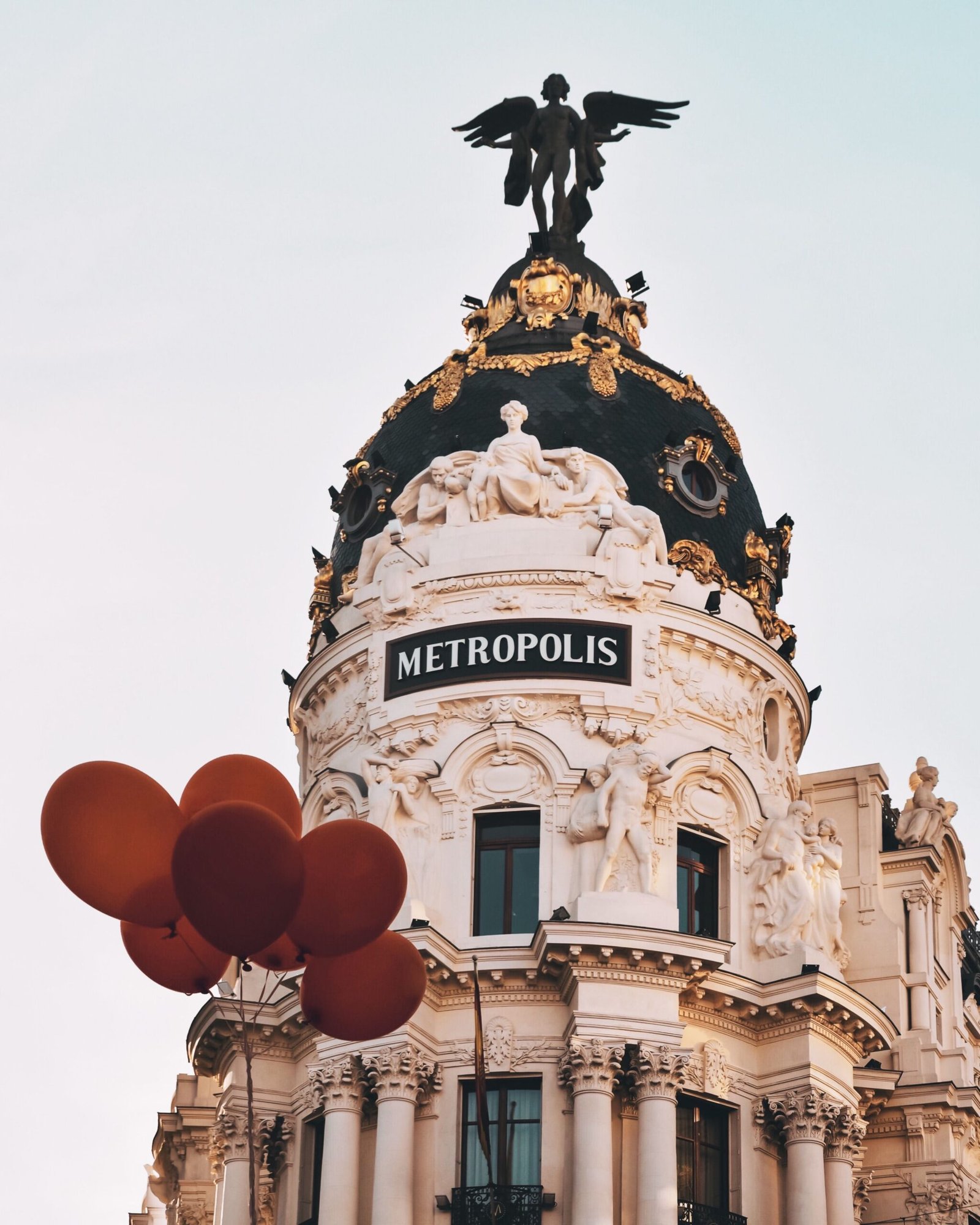
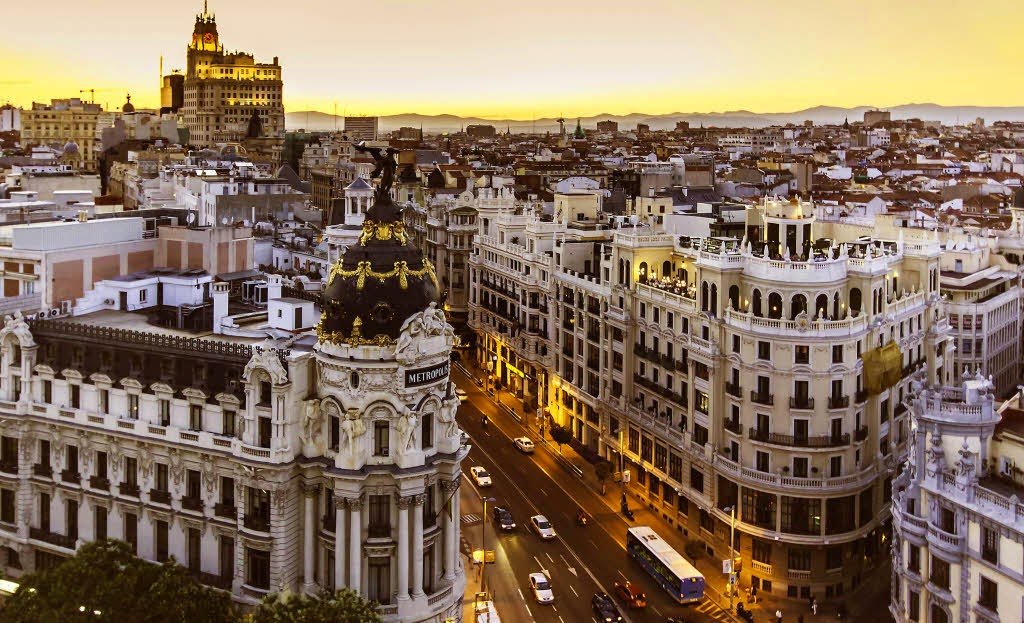
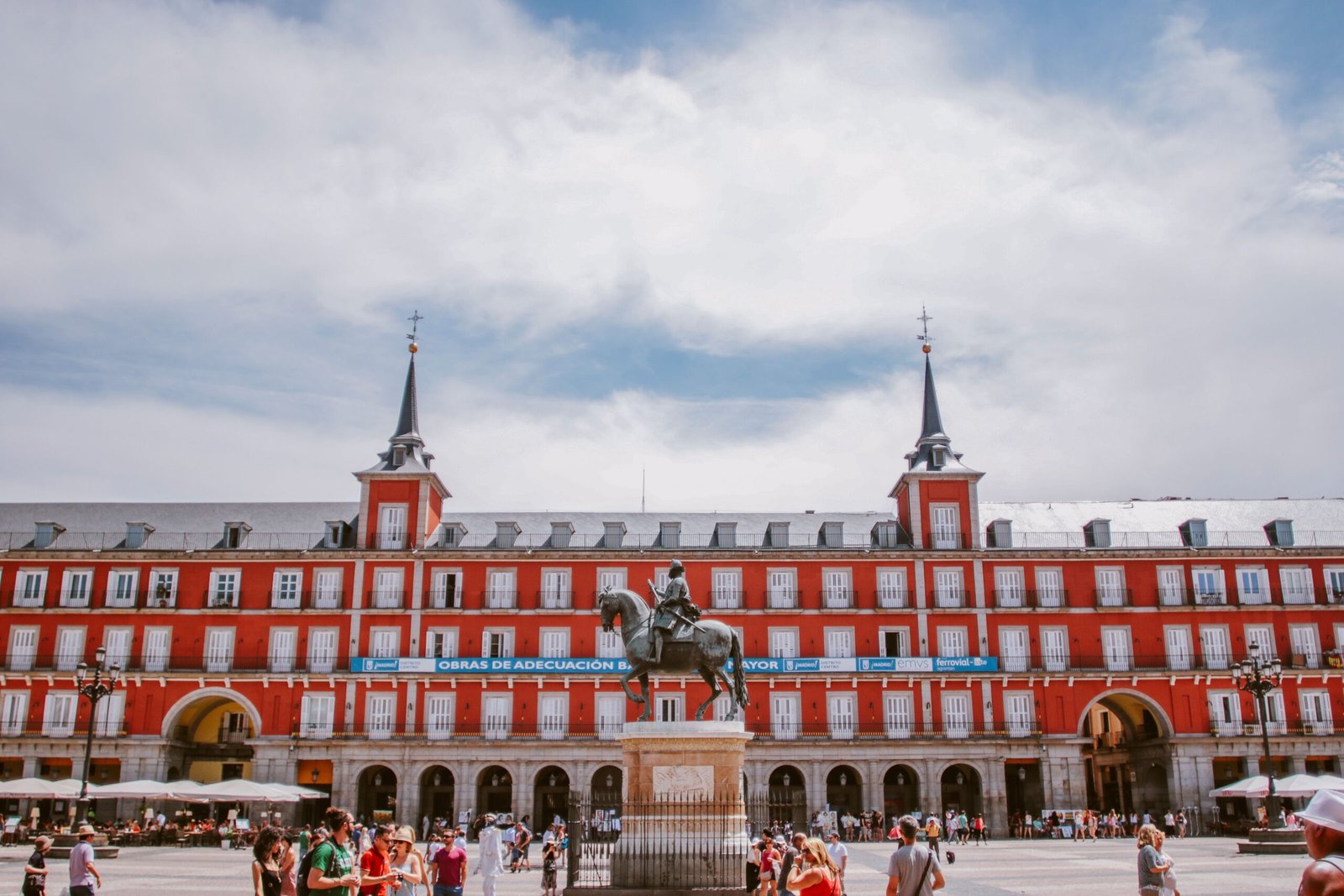
The historic core around Puerta del Sol and Plaza Mayor holds Madrid's most walkable, tourist-facing property, while the Salamanca district — all wide 19th-century boulevards and designer boutiques — is the capital's most prestigious and expensive address, favoured by both wealthy Spanish families and relocating executives.
The green heart of the city
Retiro & Chamberí
Apartments bordering the 125-hectare Retiro Park combine central-city convenience with genuine green space on the doorstep, while Chamberí — quieter, more residential, still deeply central — has become the address of choice for families wanting Salamanca's polish at a more accessible price.
Embassies, gates and gardens
Pozuelo & La Moraleja
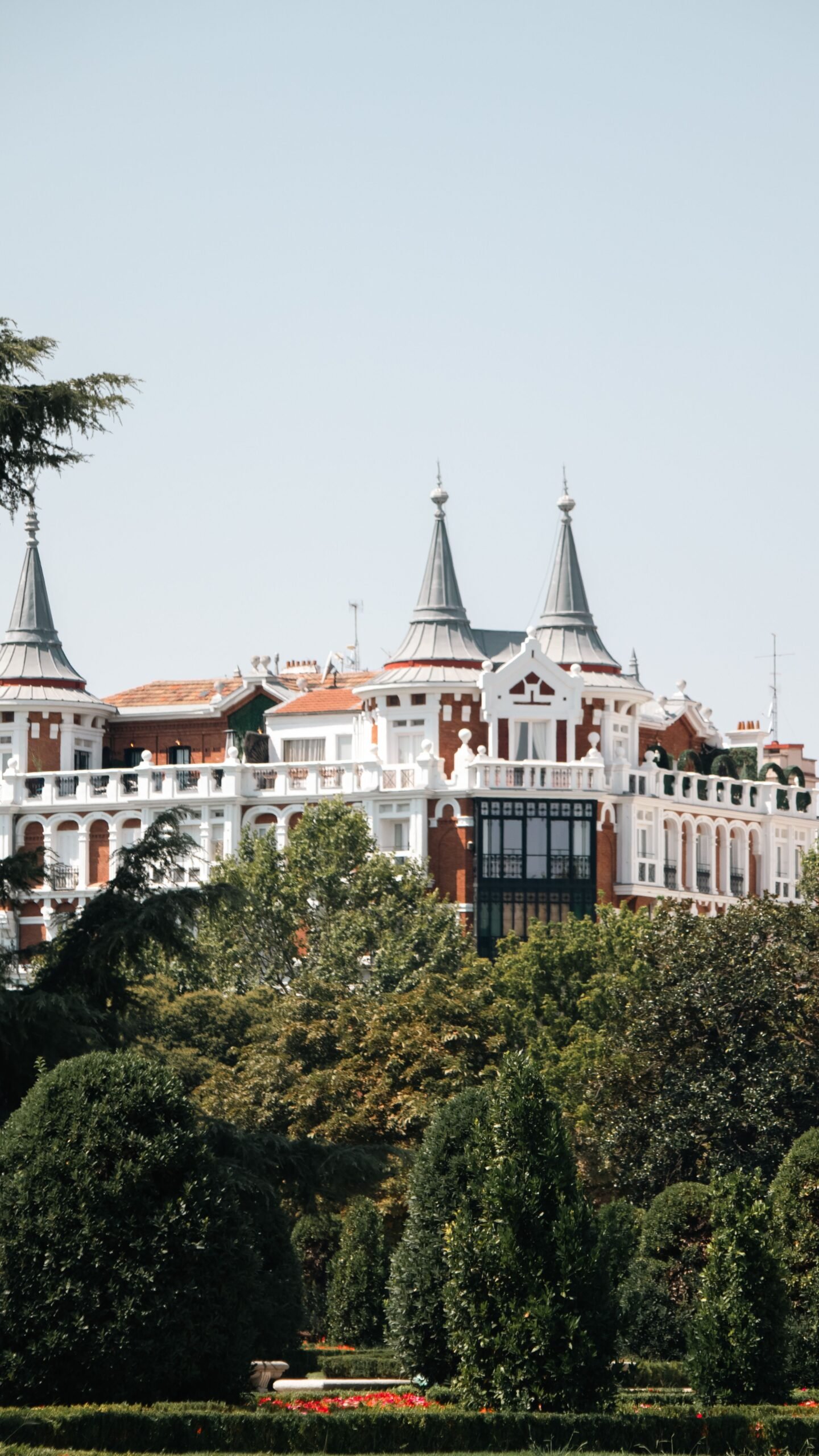
Madrid's most established international suburbs: leafy, gated family houses close to the majority of the city's international schools and a large share of its foreign embassies and corporate residences. This is where most relocating families with children ultimately settle, trading a city-centre address for space, security and a short commute.
Mountains, forty minutes from the centre
Sierra de Guadarrama
An unusual amenity for a Spanish capital: genuine mountains, a national park and a working ski resort within commuting distance. Towns like Cercedilla and Navacerrada hold a small but loyal market of weekend and second homes for madrileños and international residents who want to swap the city for pine forests on a Friday afternoon.

The food that comes with the house
As Spain's capital, Madrid absorbs cooking from every region — but it has its own hearty, winter-facing classics too.

Cocido madrileño
A three-course chickpea, meat and vegetable stew served in stages — broth first, then vegetables, then meat — and Madrid's definitive winter Sunday lunch.

Bocadillo de calamares
Fried squid rings in a crusty baguette — a Plaza Mayor institution, eaten standing at the bar with a beer, that's as central to Madrid identity as any grand restaurant.

Churros con chocolate
Chocolatería San Ginés, open since 1894, remains the definitive place for thick hot chocolate and churros — traditionally the last stop before dawn after a night out.
Tapeo & vermút culture
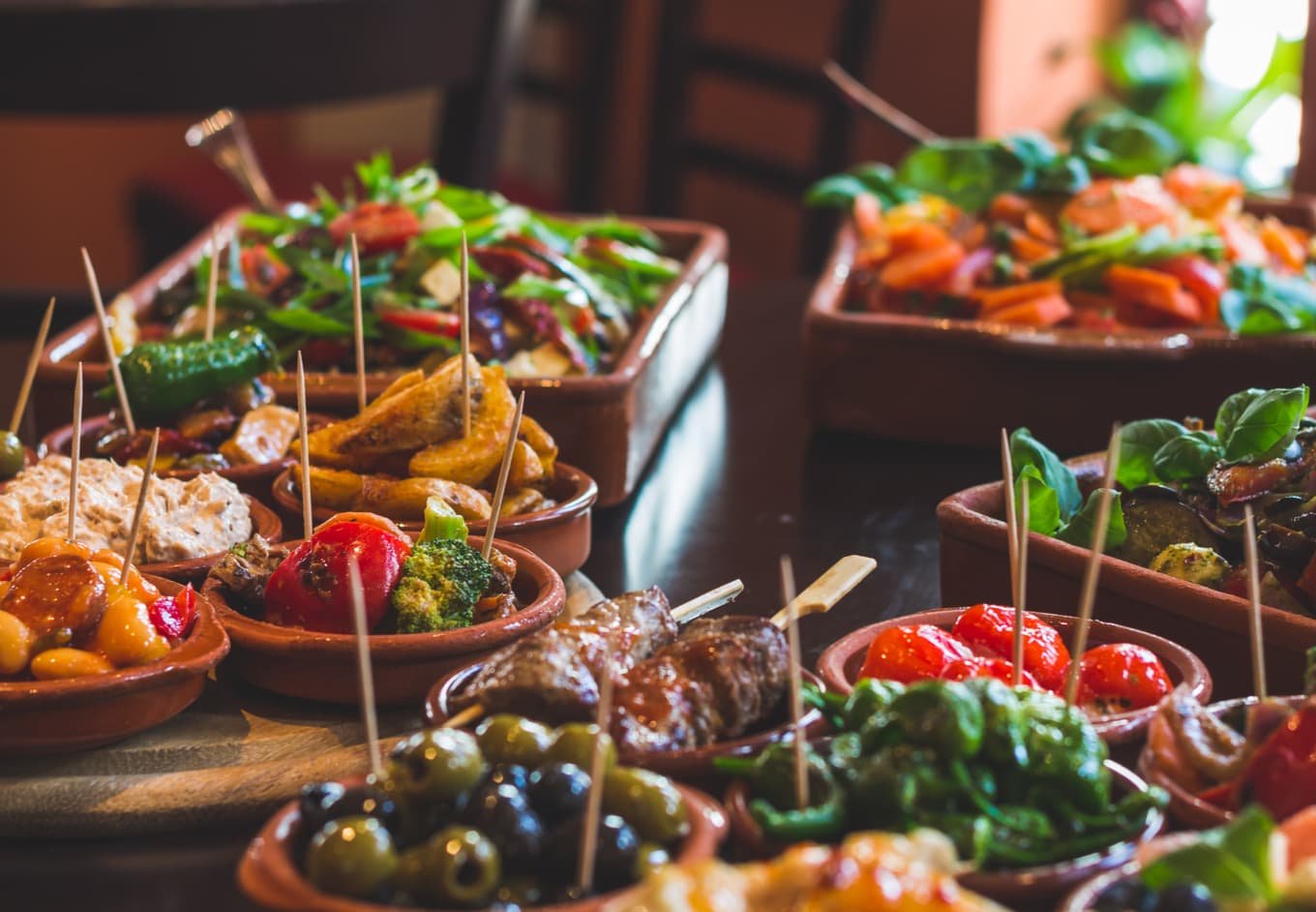
The Sunday vermút before lunch, and the ritual of hopping between bars for one tapa and one drink at a time (tapeo), remain central to how madrileños actually eat.
A world-class restaurant scene
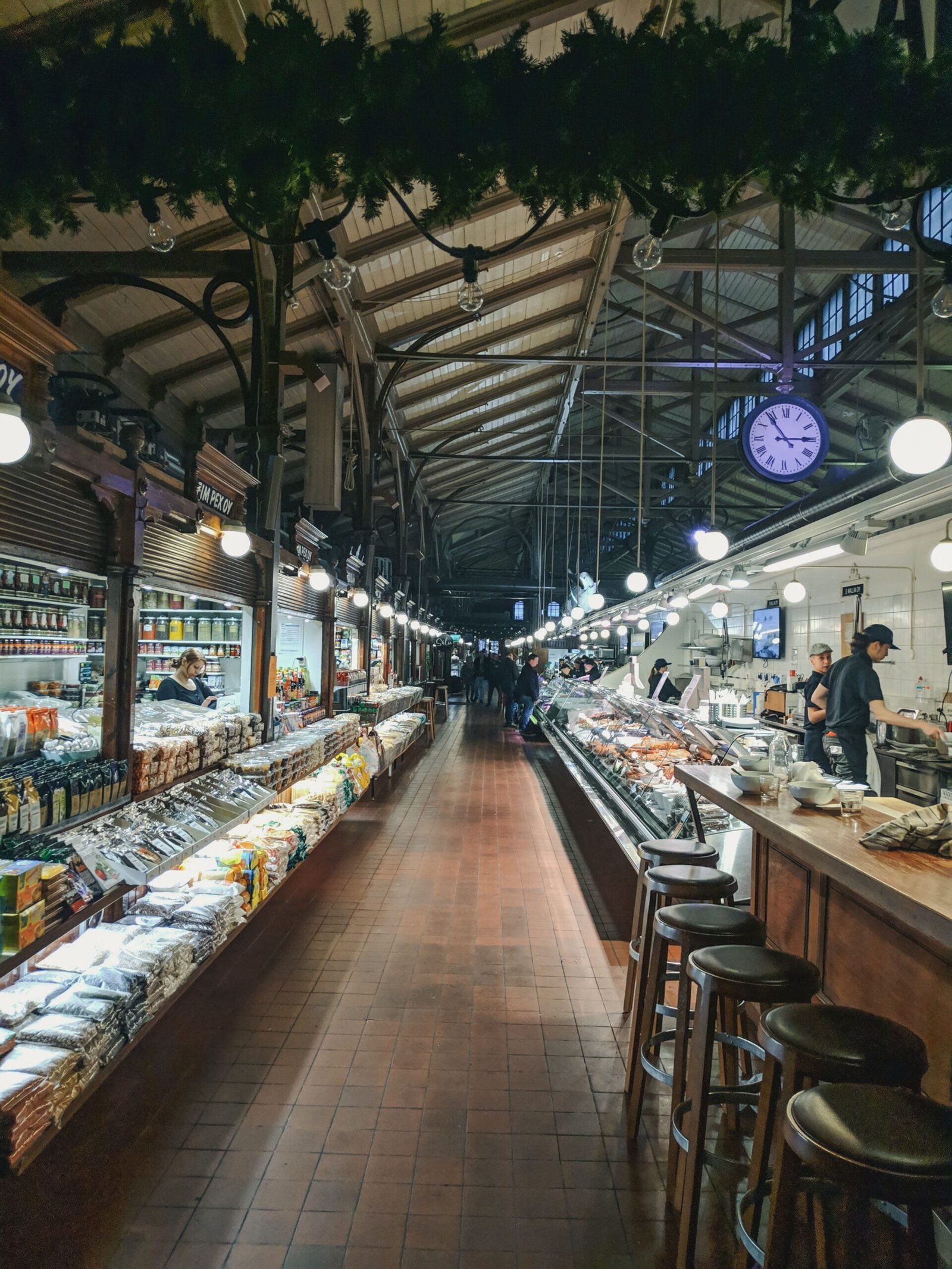
Madrid holds more Michelin stars than most European capitals its size, alongside markets like Mercado de San Miguel that have become dining destinations in their own right.
Mountain cocido & roast lamb
Traditional asadores in the Sierra de Guadarrama and towns like Segovia (a short drive away) serve wood-fired roast lamb and suckling pig — a favourite weekend escape from the city.
A crossroads of every Spanish region
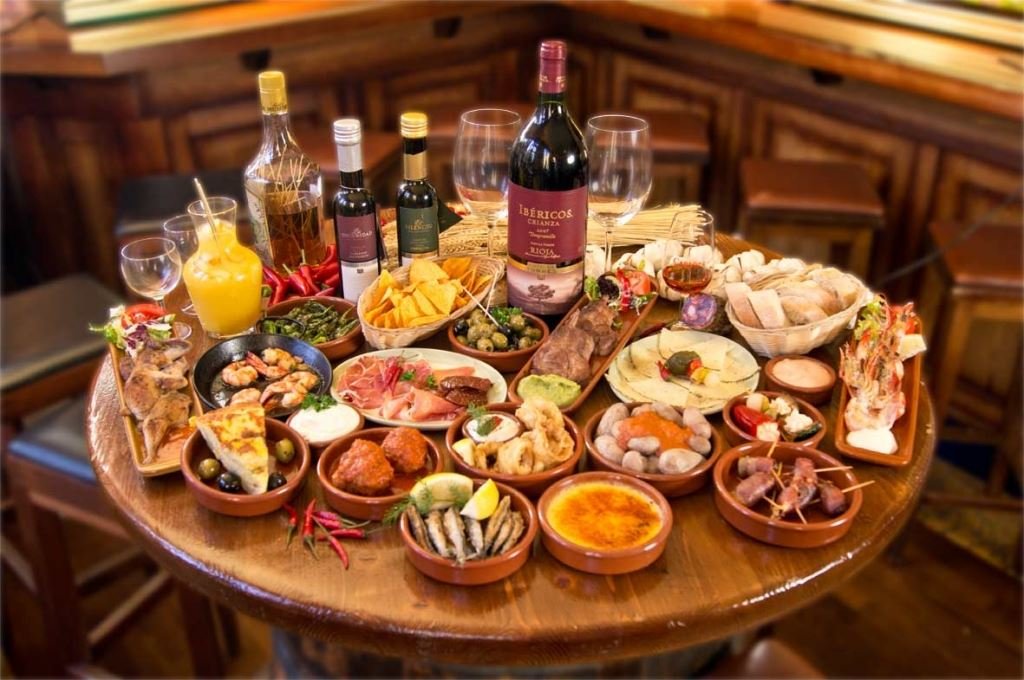
Because Madrid draws residents from every corner of Spain, its food scene is unusually complete: proper Galician seafood, Basque pintxos bars, Andalusian fried fish and Catalan cava are all a short walk apart — a genuine advantage for residents who want variety without leaving the city.

Museums, verbenas and a year-round cultural calendar
Madrid's culture is built on world-class institutions as much as street festivals — a genuinely different rhythm from the coast.
Fiestas de San Isidro
Madrid's patron-saint festival: locals dress in traditional chulapo and chulapa costume, dance the chotis, and picnic in the Pradera de San Isidro — a genuinely local celebration alongside the city's biggest bullfighting fair.
The Golden Triangle of Art
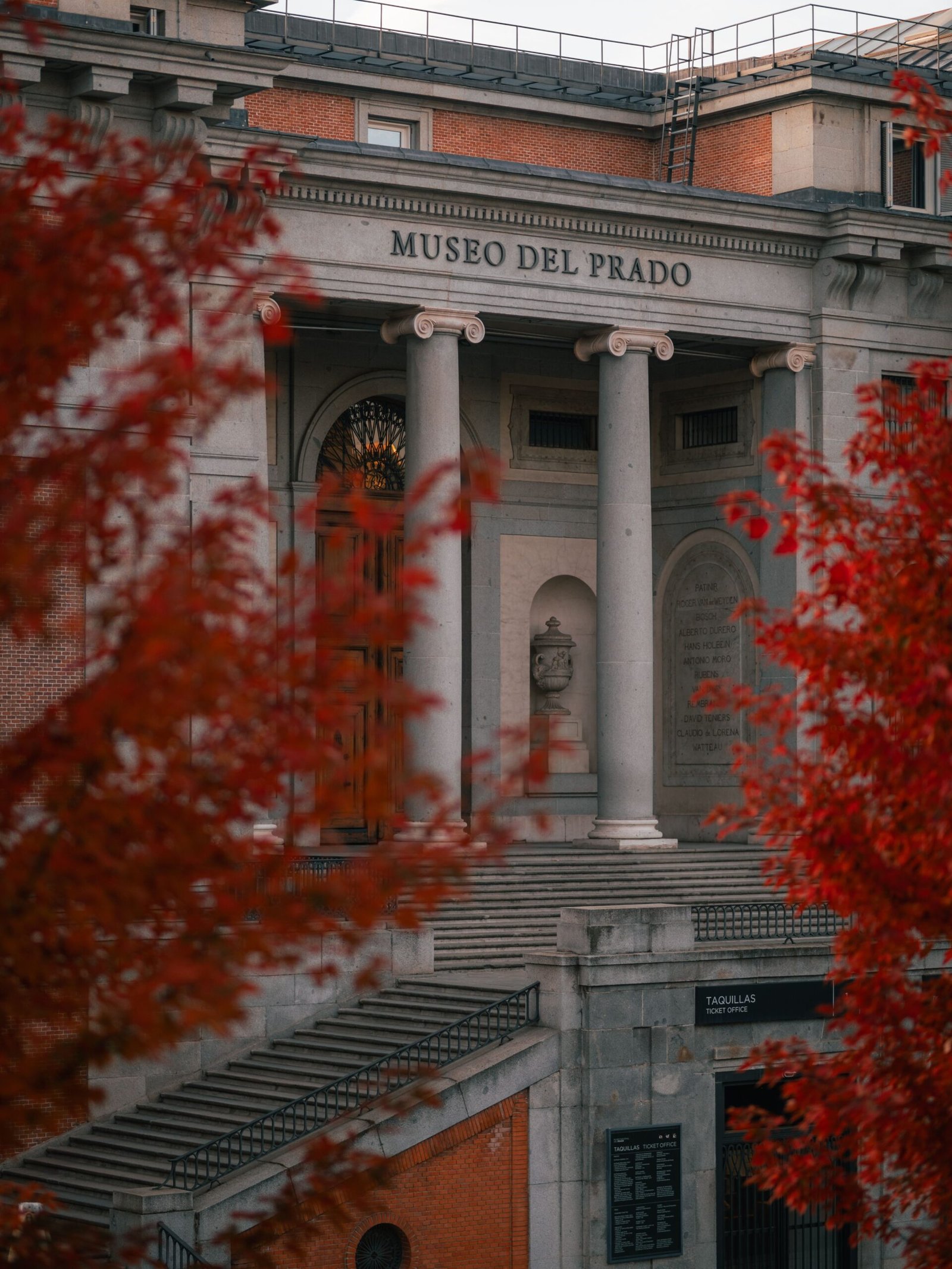
The Prado, Reina Sofía and Thyssen-Bornemisza museums sit within walking distance of each other on the Paseo del Prado, forming one of the greatest concentrations of fine art anywhere in the world.
Orgullo (Madrid Pride)
One of the largest Pride celebrations in Europe, centred on the Chueca neighbourhood — a major fixture of Madrid's summer cultural calendar and LGBTQ+ life.
Veranos de la Villa
A summer-long programme of open-air concerts, theatre and dance across the city's parks and historic venues, filling the months when many madrileños are away.
Christmas on Gran Vía
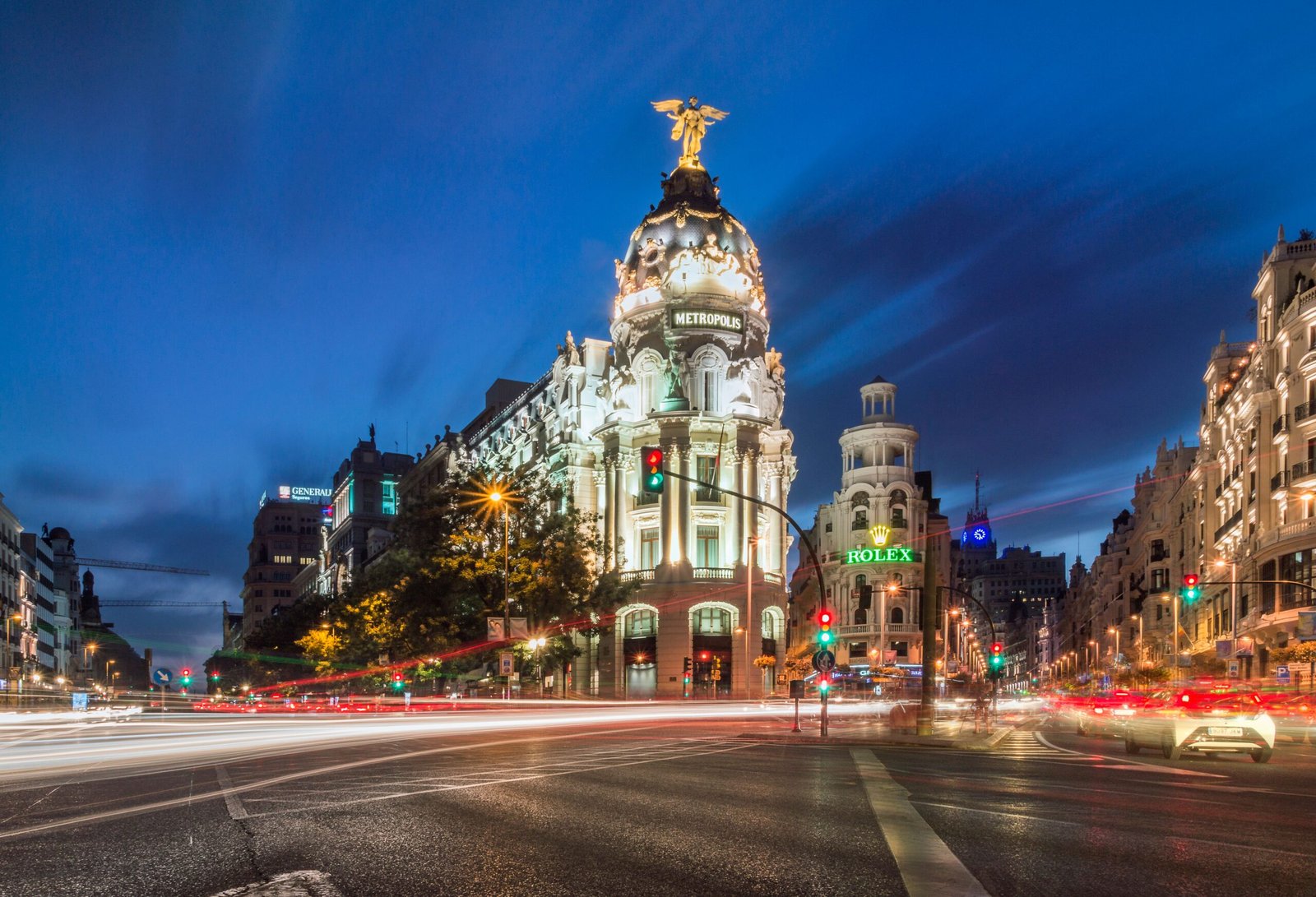
Madrid's Christmas lights and the Plaza Mayor Christmas market are a genuine city-wide event, running from late November through the Three Kings parade on 5 January.
Skiing, golf and a national park at the edge of the city
Few European capitals offer this combination: world-class urban parks, a genuine ski resort, and some of the country's most respected golf clubs, all inside an hour's drive.
Featured
Golf at the country's oldest clubs
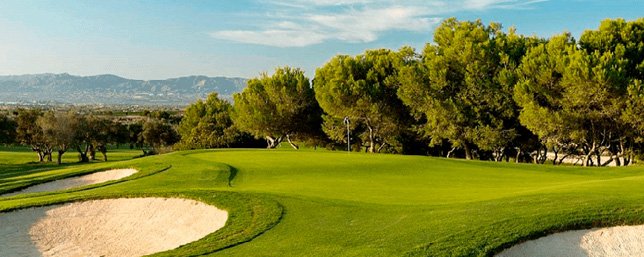
Madrid holds some of the most historic and exclusive golf clubs in Spain, several dating back to the early 20th century.
Real Club de la Puerta de Hierro — founded in 1904, one of continental Europe's most storied private clubs. Club de Campo Villa de Madrid — a former Spanish Open venue in the heart of the city. Real Sociedad Hípica Española Club de Campo — combining golf, riding and sport in a single historic estate.
Skiing at Navacerrada
Puerto de Navacerrada ski resort sits under an hour from central Madrid — a genuine winter-sport option most Spanish capitals simply don't have.
Hiking the Sierra de Guadarrama
Spain's most recently designated national park offers accessible hiking for every level, from gentle valley walks to the summit of Peñalara.
Running & cycling the Retiro
Retiro Park and the Casa de Campo — six times the size of New York's Central Park — give residents genuine green space and a serious running and cycling culture inside the city.
Football
Home to Real Madrid and Atlético Madrid, two of world football's biggest clubs — matchday at the Santiago Bernabéu or the Metropolitano is a genuine part of city life.
Day trips to Segovia & Toledo
Both UNESCO World Heritage cities sit within a 30–60 minute high-speed train ride, making weekend escapes to Roman aqueducts and medieval old towns a routine part of life here.
Padel & tennis clubs
One of Europe's highest densities of padel clubs, with active social leagues that are one of the fastest ways to build a network after relocating.
Spain's deepest international business community
Unlike the coastal retiree markets, Madrid's international community is built around business, diplomacy and education — corporate relocations rather than holiday homes, and it's the most established of its kind in the country.
International Education
- British Council School Spain's oldest and largest British curriculum school, with two campuses and a British Council-backed heritage dating to 1940.
- King's College, Madrid A well-established British curriculum school in the Soto de Viñuelas area, popular with relocating corporate families.
- American School of Madrid A leading American curriculum option, with a large international student body in Pozuelo.
- Runnymede College A British curriculum school in La Moraleja, at the heart of Madrid's international suburb.
Clubs & Associations
- British Chamber of Commerce in Spain Headquartered in Madrid, with the most active events calendar of any regional chapter in the country.
- American Chamber of Commerce in Spain A major hub for the US business community, reflecting Madrid's role as the primary base for American companies operating in Spain.
- Diplomatic community & embassies The highest concentration of foreign embassies in the country, clustered largely around La Moraleja and Chamartín.
- Golf, padel & running clubs with international membership Particularly around Pozuelo and La Moraleja, where members are often expatriate professionals and their families.
Start your search in Madrid
Tell us which area interests you — Centro & Salamanca, Retiro & Chamberí, Pozuelo & La Moraleja, or the Sierra de Guadarrama — and one of our advisors will be in touch within 24 hours.
Request a free consultation →