Catalunya
A region with its own identity
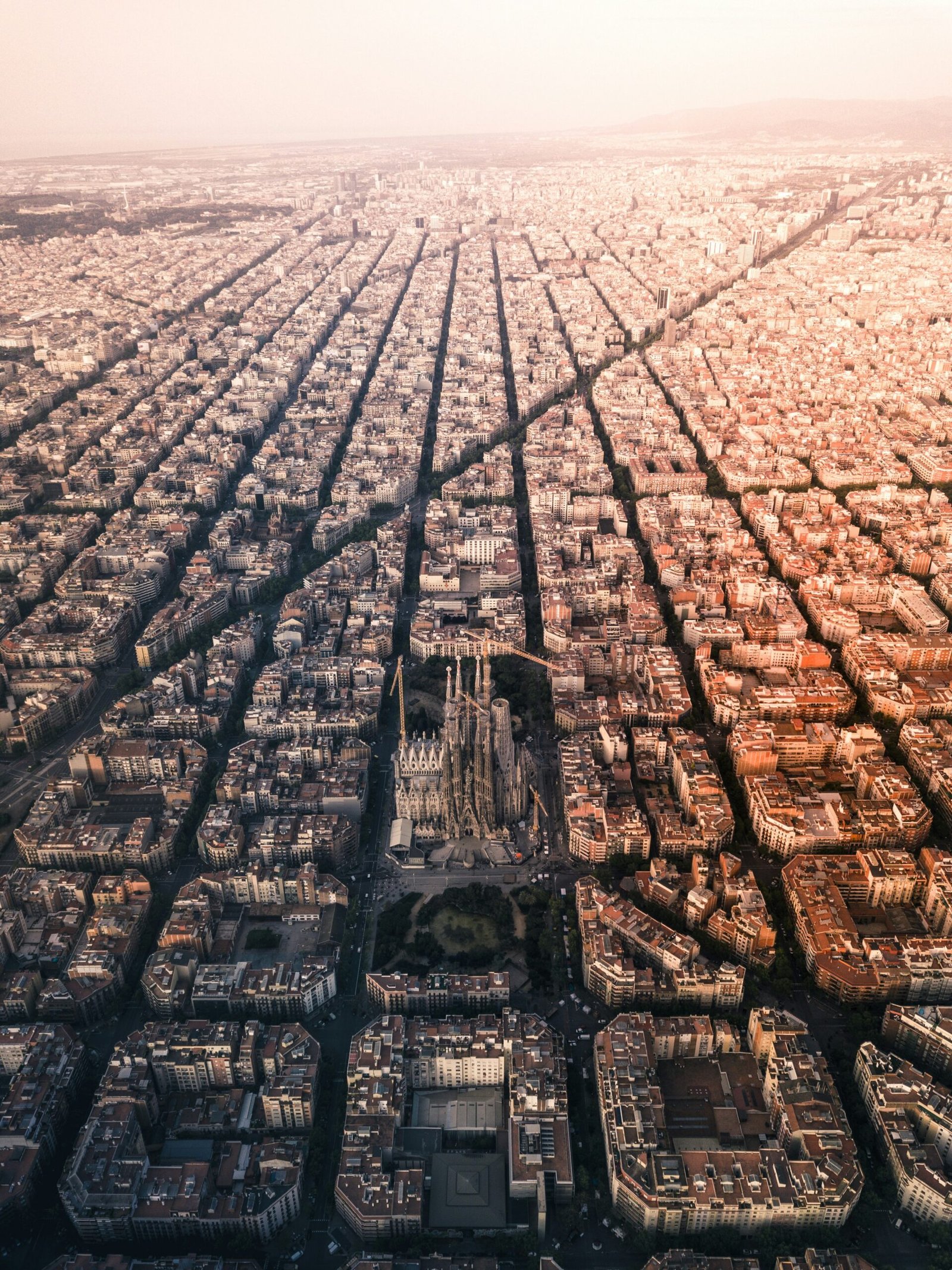
Catalunya is one of the most complete regions of Spain to buy property in: a cosmopolitan capital, a Mediterranean coastline, mountains and countryside, all connected by motorway, high-speed rail and an international airport with direct flights to North America and across Europe.
It is also one of the strongest economies in the country, with steady rental demand driven by tourism and the international companies based in Barcelona — making it as attractive to live in as it is to invest in.
Unlike Andalucía or the Levante coast, buyers here find a singular architectural heritage — Gaudí's Modernisme, medieval inland villages, centuries-old wineries — alongside a social calendar that stays busy all year round, not just in high season.
Speak to a Catalunya specialist →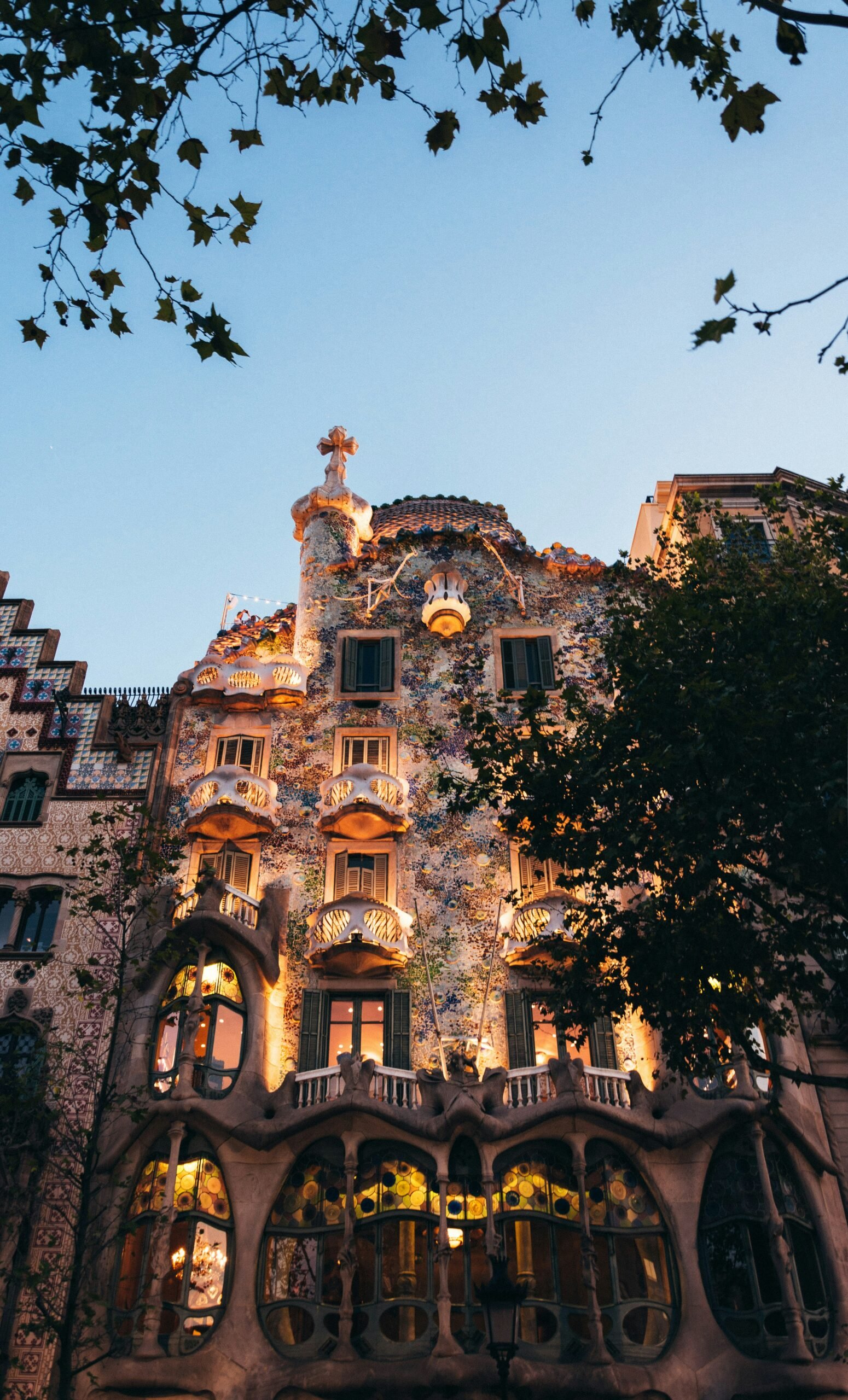 Casa Batlló, Barcelona
Four provinces, four ways of living
Catalunya is made up of four provinces, each with its own character and its own property market.
City & the Maresme coast
Barcelona
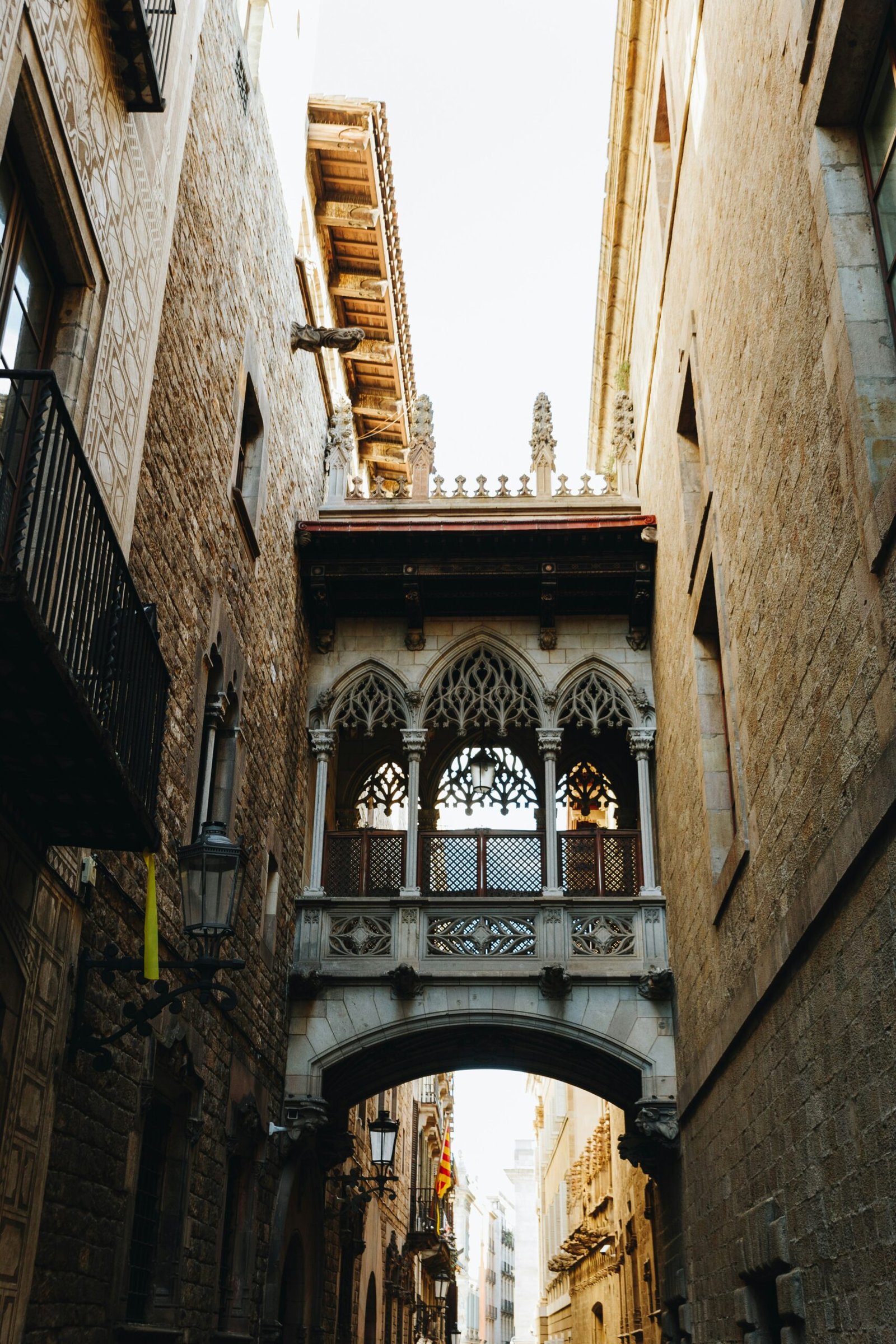
The capital and its metropolitan area: Sitges, Sant Cugat, Castelldefels and the Maresme coast. International city life, British and American schools, an airport 20 minutes away, and the most liquid property market in the region — ideal for buyers seeking rental yield alongside a cosmopolitan lifestyle.
Coves, medieval villages and golf
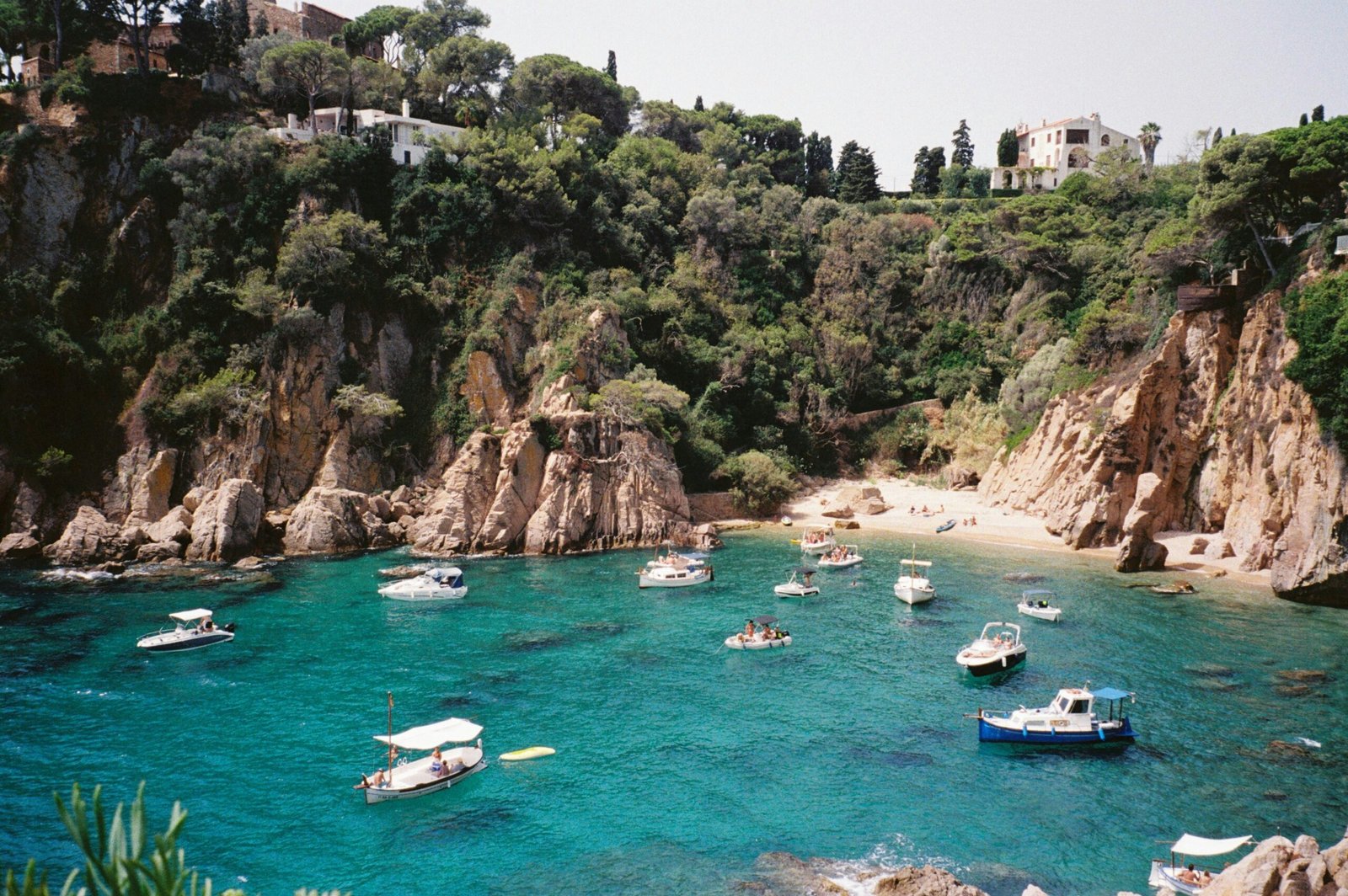
Girona · Costa Brava
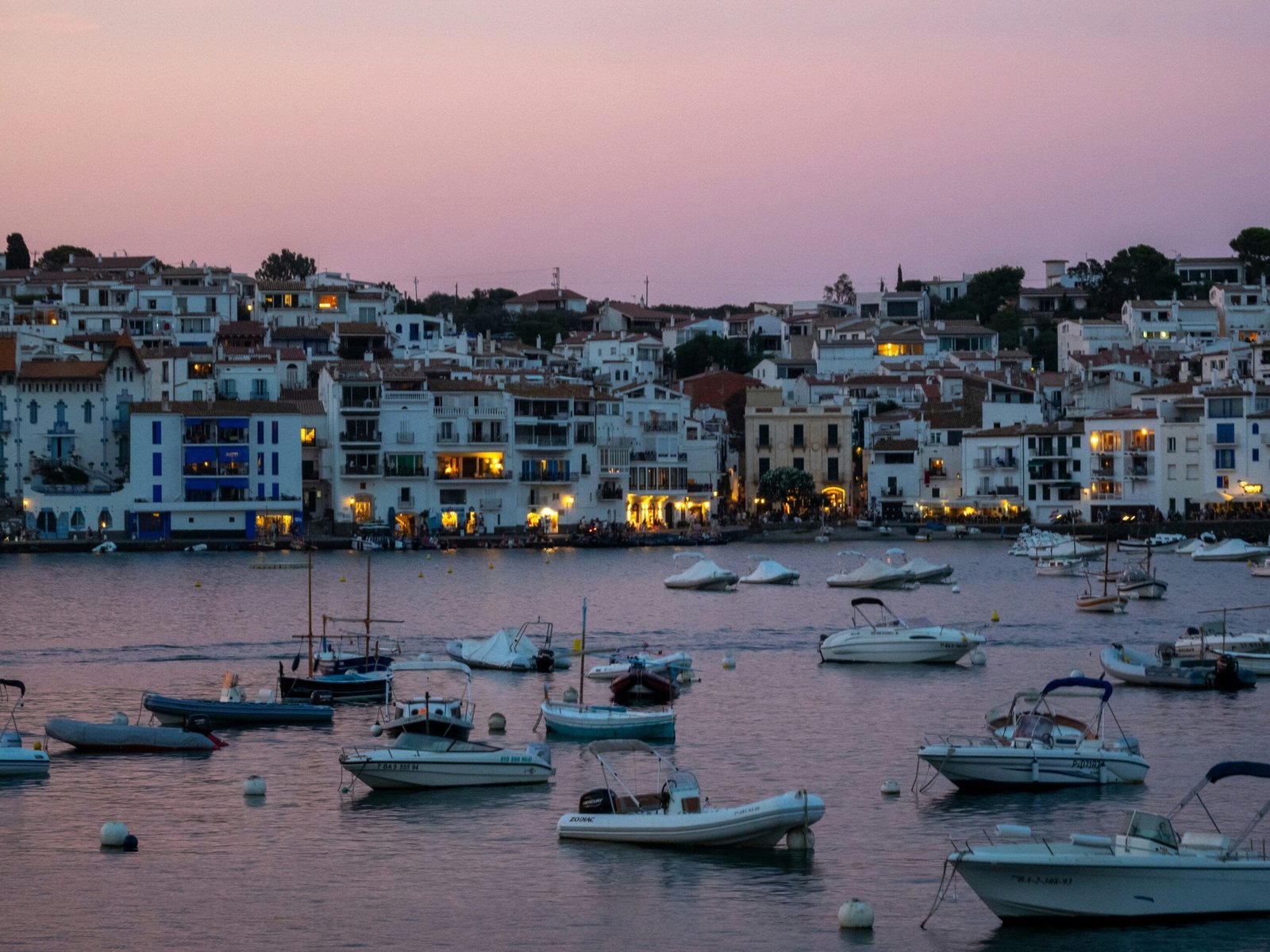
Cadaqués, Begur, S'Agaró, Empuriabrava and Platja d'Aro make up one of the most photogenic coastlines in Europe. Restored stone farmhouses and fishermen's cottages sit alongside sea-front villas, one of the country's largest concentrations of golf courses, and a well-established international community.
Beaches, vineyards and value
Tarragona · Costa Daurada
Sitges aside, this province holds Catalunya's longest sandy beaches — Salou, Cambrils, l'Ametlla de Mar — and the wine heartland of Priorat and Penedès. Prices are significantly more accessible than Barcelona or the Costa Brava, with excellent high-speed rail and motorway connections.
Mountains, skiing and retreat
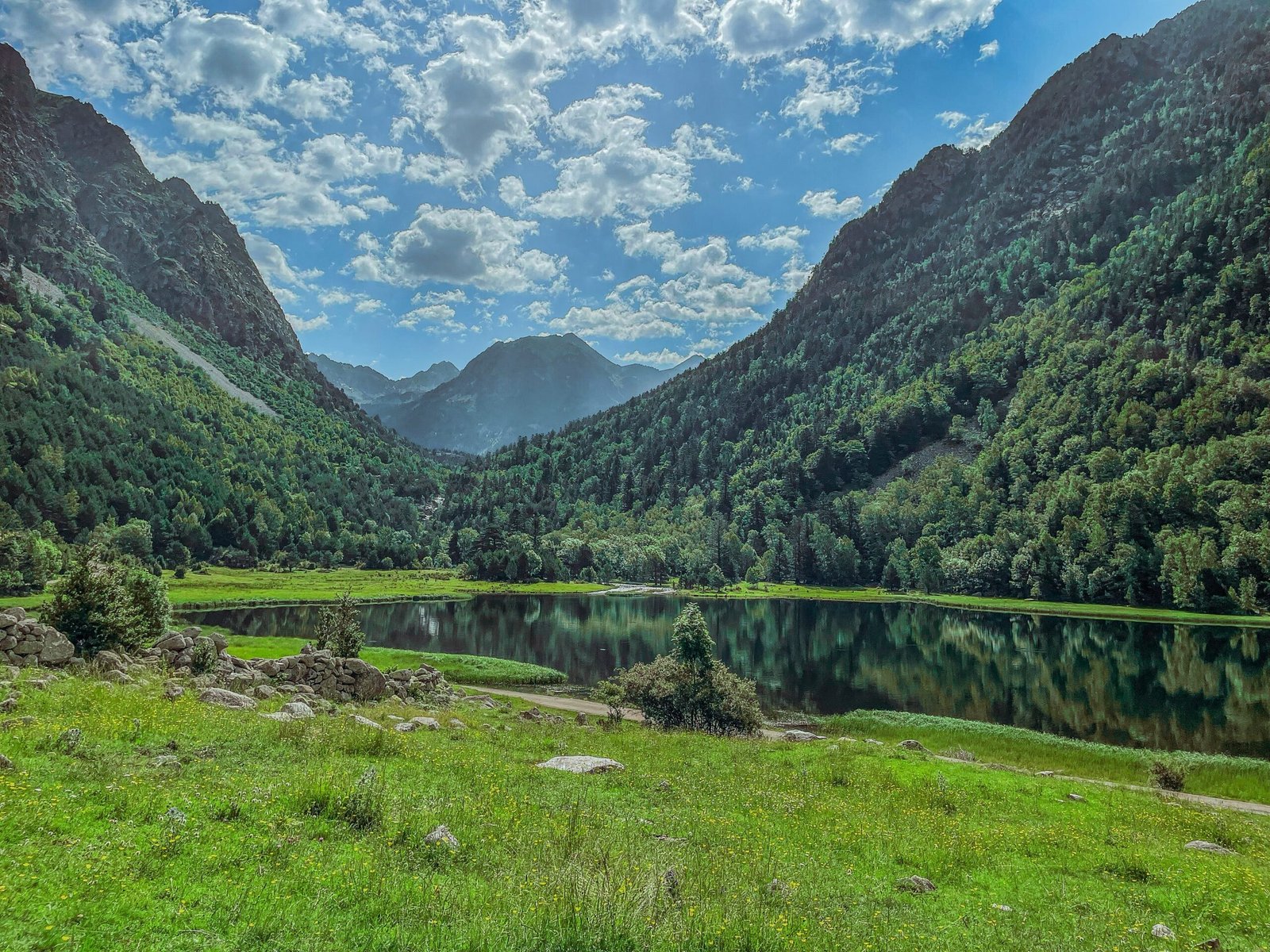
Lleida · Pyrenees
For those seeking a mountain second home: valleys such as the Cerdanya or Pallars, close to ski resorts like La Molina or Baqueira-Beret. A smaller market, much sought-after by Catalan and European families who combine winter skiing with hiking the rest of the year.
The food that comes with the house
Catalunya has more Michelin stars than almost any other region in Spain — but its culinary identity really lives in the everyday table.

Pa amb tomàquet
Farmhouse bread rubbed with ripe tomato, garlic, olive oil and salt. The foundation of any Catalan meal, from the corner bar to the Michelin-starred table.
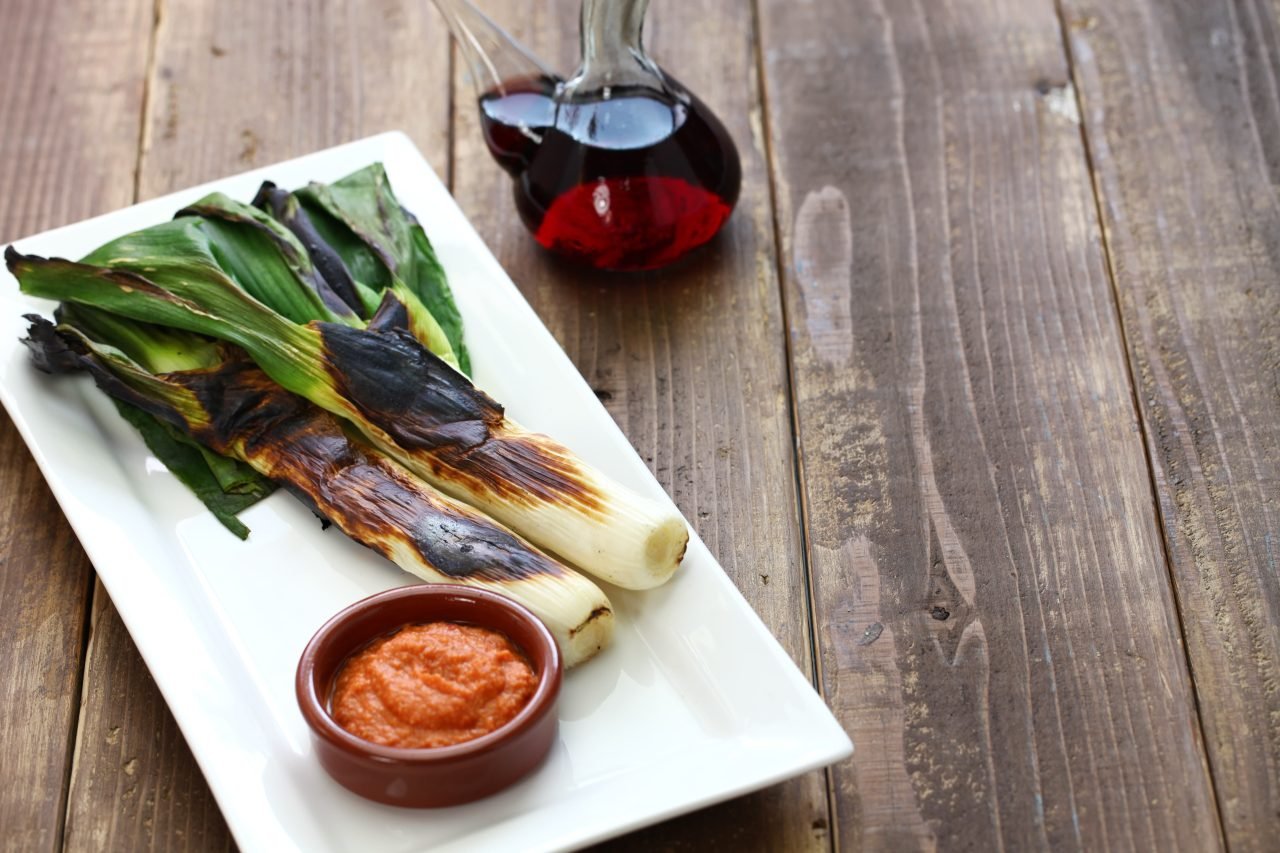
Calçotada
From January to March, calçots — a variety of tender spring onion — are chargrilled and dipped in romesco sauce. A social ritual as much as a culinary one.
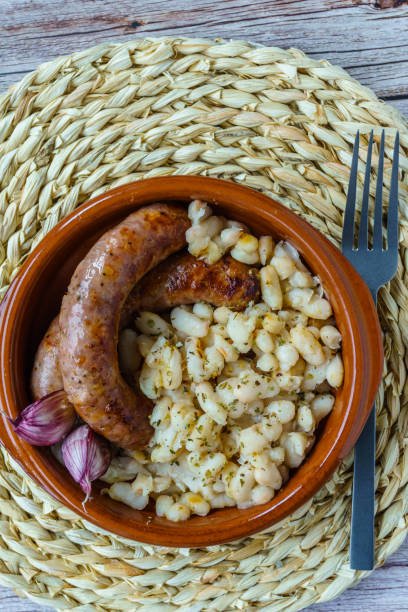
Botifarra amb mongetes
Grilled Catalan sausage served with white beans. The archetypal knife-and-fork dish of the inland kitchen.
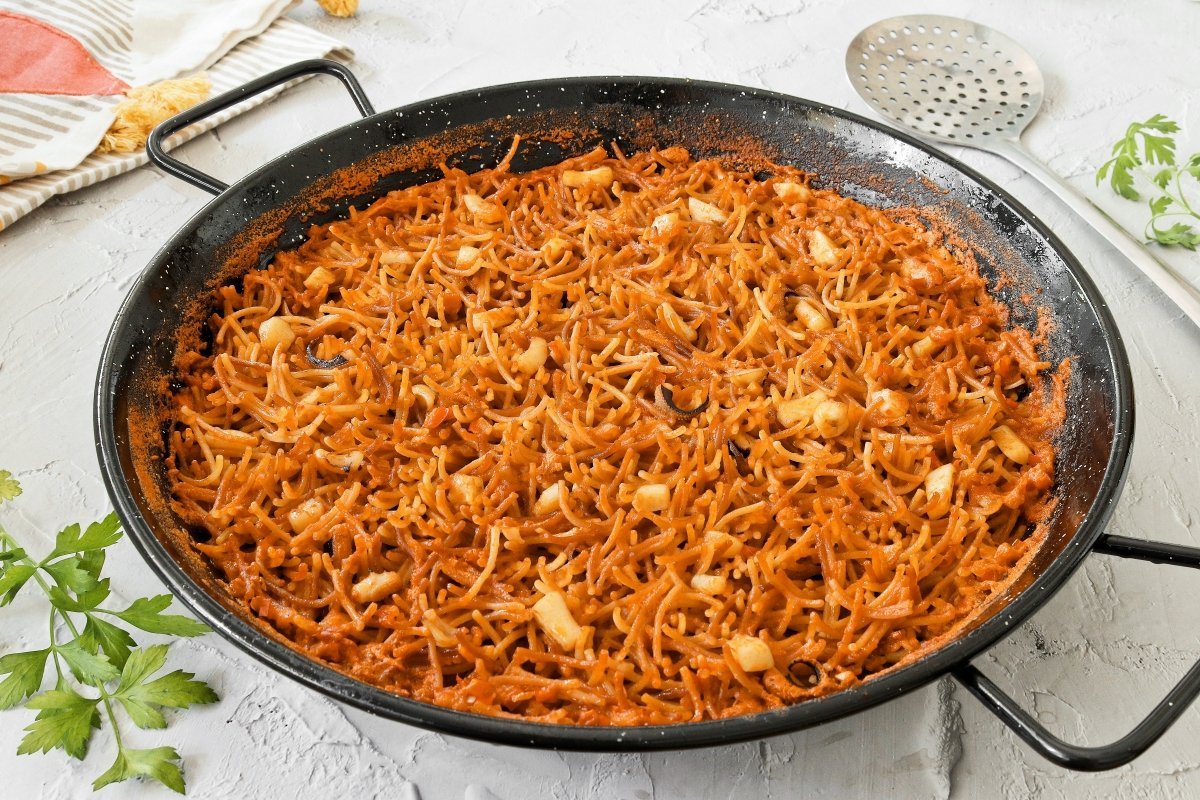
Fideuà
Paella's cousin from the Tarragona coast: short toasted noodles cooked with seafood and a touch of allioli.
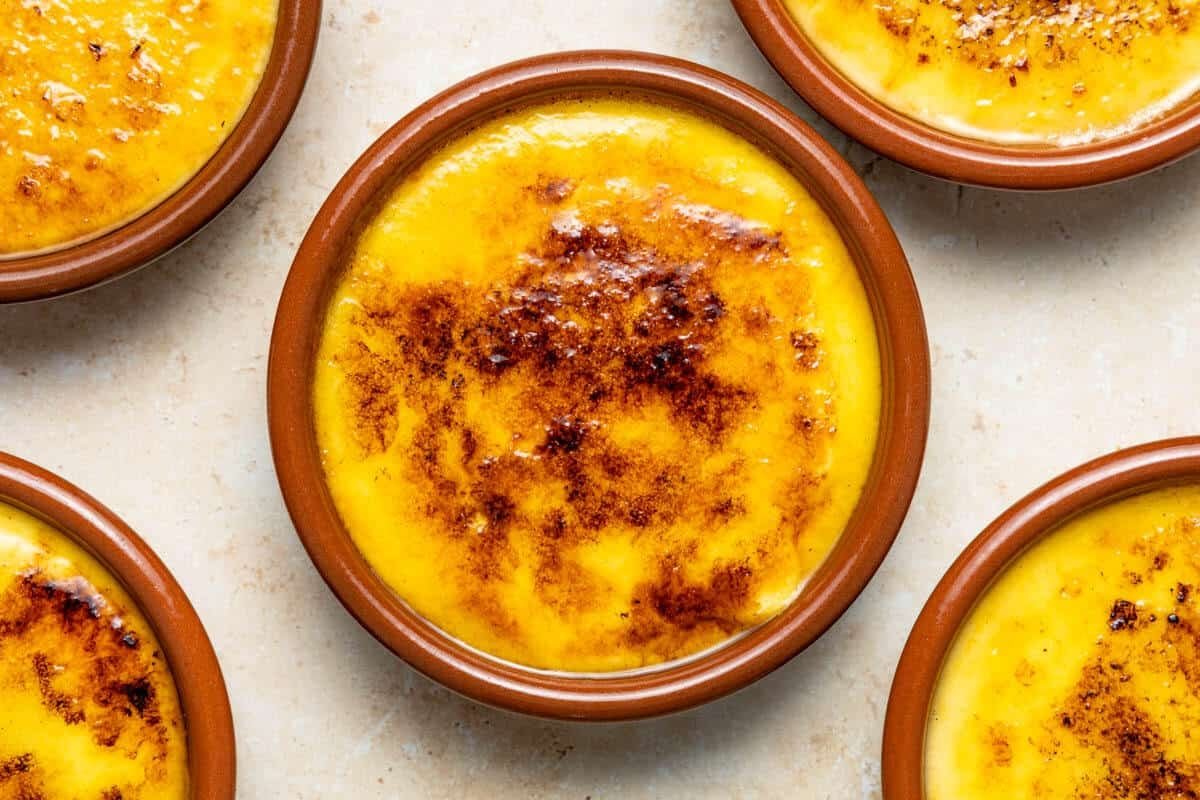
Crema catalana
Egg-yolk and cinnamon custard with a caramelised sugar top. The Catalan dessert on every set menu, everywhere.
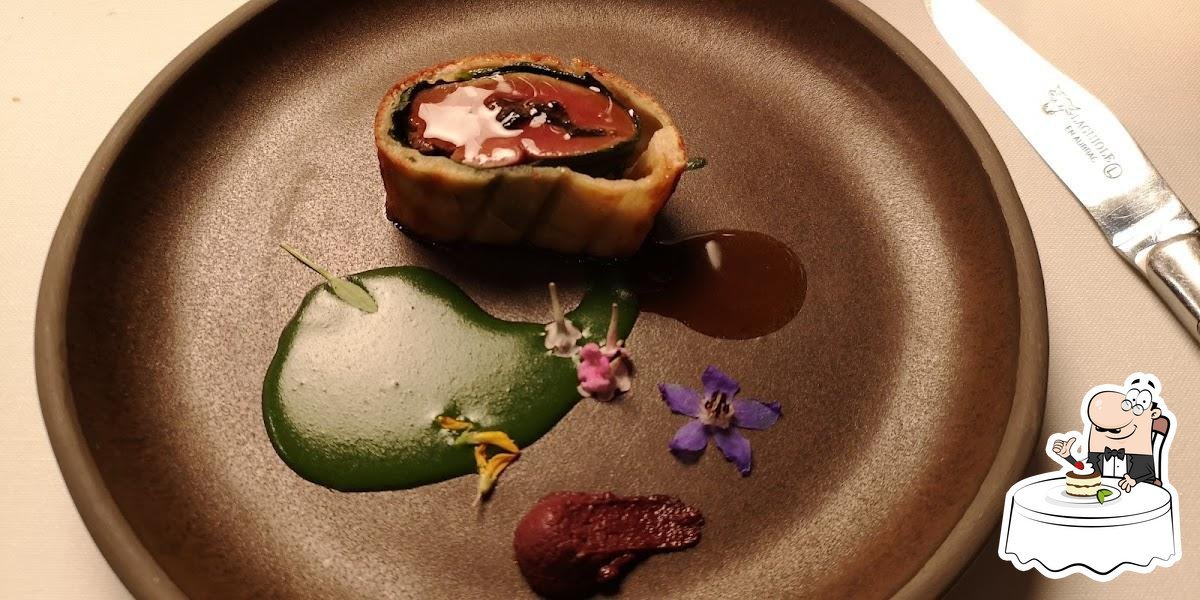
Fine dining
El Celler de Can Roca (Girona) and Disfrutar (Barcelona) rank among the world's best restaurants — the region has one of the highest concentrations of Michelin stars in Spain.
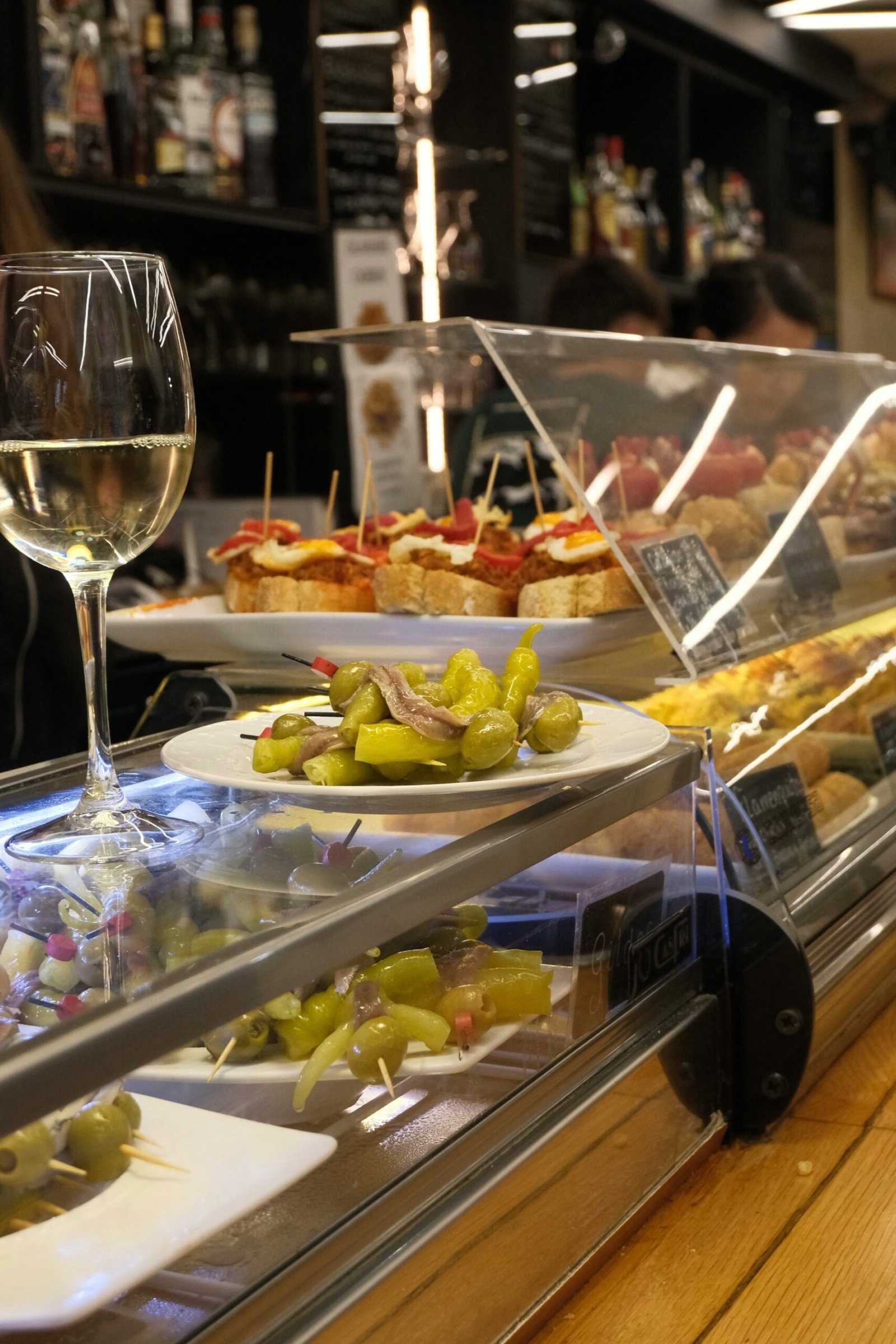
The midday vermut
Every Sunday, families and friends gather before lunch for a vermut on tap with olives and patatas bravas. It is, perhaps, the best way to understand the pace of Catalan life — and a tradition any new resident adopts quickly.
A calendar that never stops
Few European regions keep their traditions this alive — and this woven into everyday life.
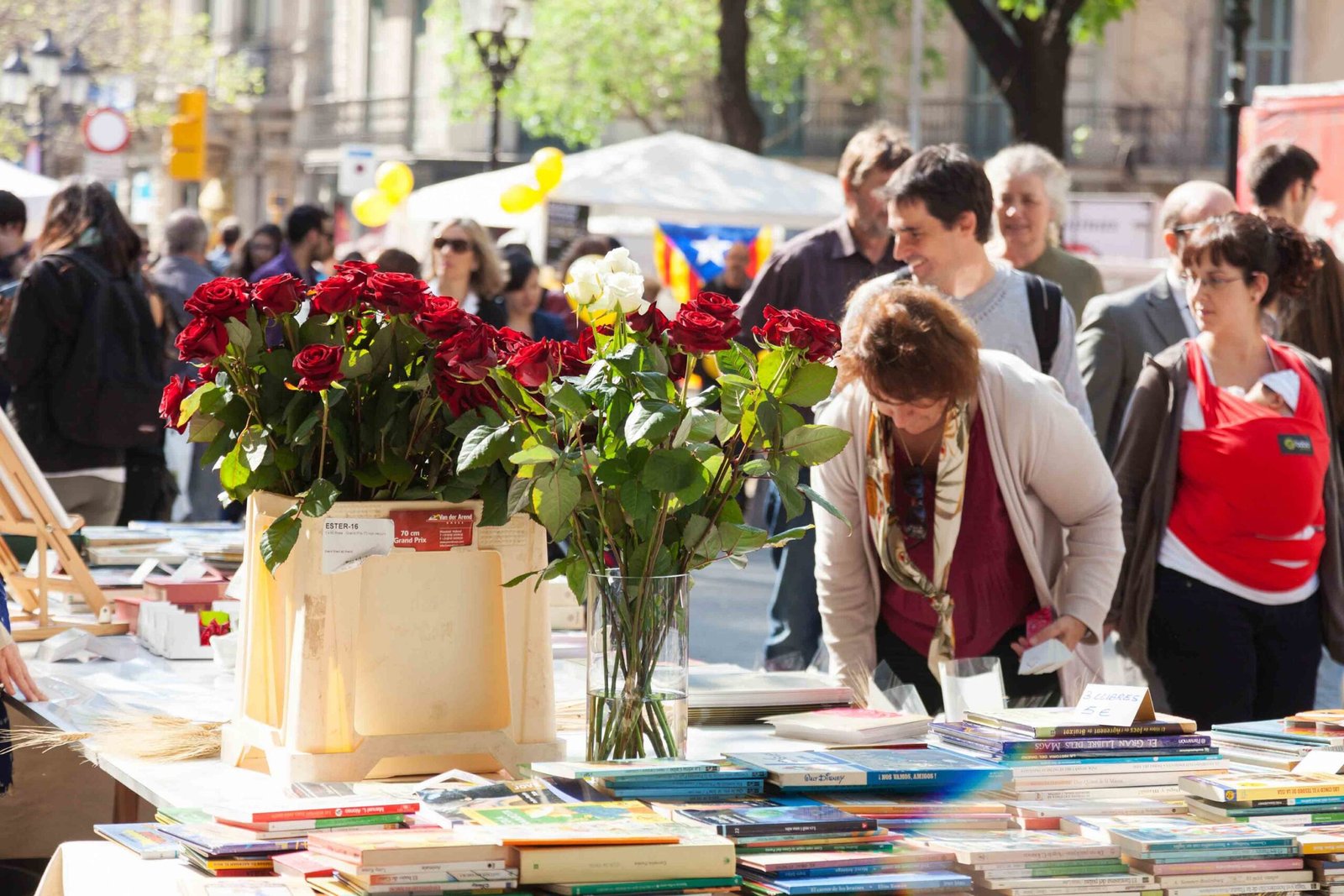
Sant Jordi
The day of the book and the rose. Every town's streets fill with book stalls and flower stands — the Catalan equivalent of Valentine's Day, celebrated with an intensity that surprises newcomers.
Festes Majors
Every town and neighbourhood has its own festa major: free concerts, street dinners, and often castells or correfocs (fire runs). Catalan summer social life revolves around them.
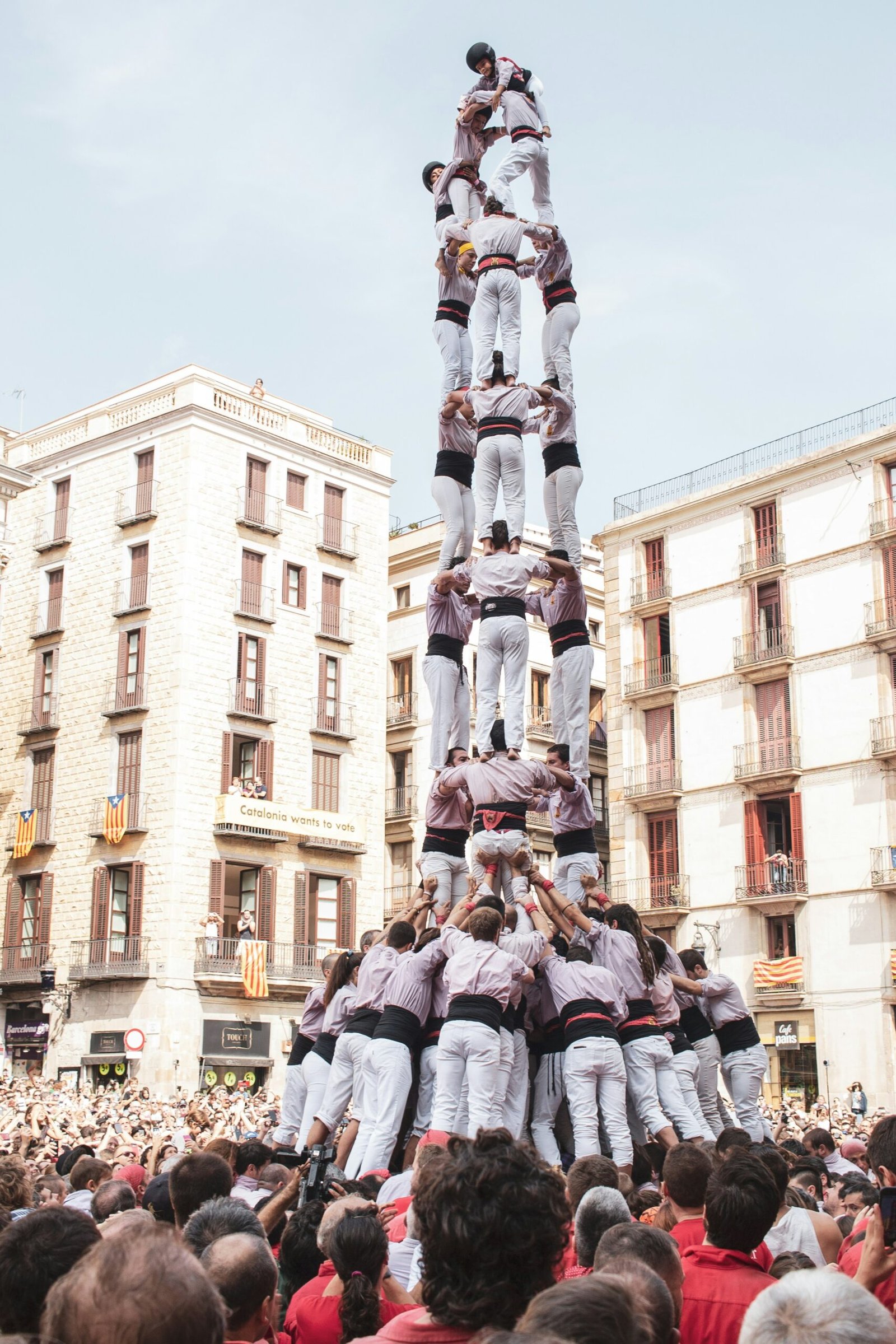
Castells — UNESCO Heritage
Human towers, recognised as UNESCO Intangible Cultural Heritage, are perhaps the most recognisable symbol of Catalan culture: whole communities literally building something together.
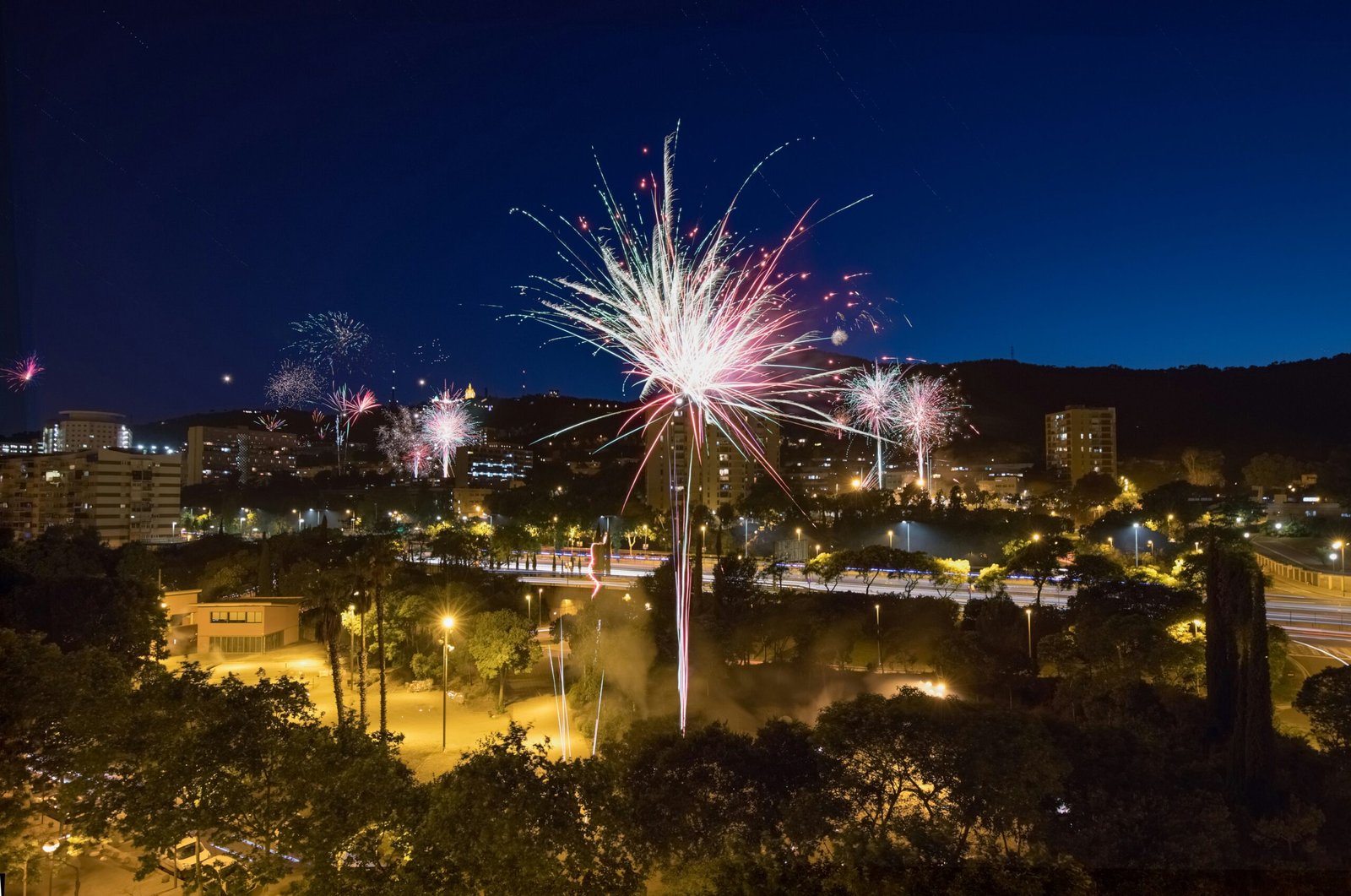
La Mercè (Barcelona)
The city of Barcelona's main festival: correfocs, castells, concerts and one of the best fireworks displays on the Mediterranean.
Sitges Film Festival
Europe's leading fantastic-film festival, filling this seaside town with international energy for two weeks every autumn.
Golf, sailing and mountains — in the same weekend
Catalunya's geography lets you ski in the morning and eat by the sea in the afternoon. Few places in Europe offer this much variety in so little space.
Featured
Europe's quiet golf capital
Girona holds some of the finest golf courses on the continent, with a climate that allows play almost year-round.
Camiral (formerly PGA Catalunya) — set to host the 2031 Ryder Cup, and consistently ranked among Spain's top courses. Golf d'Empordà — 27 holes among the pines, minutes from the Costa Brava. Bonmont Terres Noves — a Robert Trent Jones Jr. design overlooking the Mediterranean in Tarragona.
.jpg)
Sailing & marinas
Yacht clubs from the Maresme to the Costa Brava, year-round regattas, and Empuriabrava — Europe's largest residential marina.
Hiking & cycling
From the Camí de Ronda on the Costa Brava to the trails of the Pyrenees — plus mountain roads that draw professional cyclists from across Europe.
Skiing
La Molina and Baqueira-Beret offer ski resorts under two hours from Barcelona — unusual for a major European capital.
Wine routes
Penedès and Priorat, two of Spain's most respected appellations, with centuries-old wineries open for visits and tastings.
Padel & tennis clubs
One of the highest club densities in Spain, with active social leagues year-round — a fast way to make friends after moving.
Golf
More than 40 courses across Girona, Barcelona and Tarragona, several designed by international names — see featured above.
An English-speaking community already in place
Barcelona and the Costa Brava have welcomed British, Irish and North American residents for decades — the infrastructure to settle in already exists.
International Education
- Benjamin Franklin International School American curriculum in Barcelona — one of the city's longest-established international schools.
- The British School of Barcelona National British curriculum, with campuses in Castelldefels and Sitges.
- American School of Barcelona American education from early years through high school, in Esplugues de Llobregat.
- Costa Brava International School An international option in the Girona area for families outside Barcelona.
Clubs & Associations
- British Chamber of Commerce in Spain An active business network in Barcelona, with monthly networking events.
- American Society of Barcelona An American community with social, cultural and relocation-support events.
- Irish Network Barcelona A professional and social group for the Irish community in Catalunya.
- Sailing & golf clubs with international membership Especially on the Costa Brava, where a large share of members are foreign residents.
Start your search in Catalunya
Tell us which area interests you — Barcelona, Costa Brava, Costa Daurada or the Pyrenees — and one of our advisors will be in touch within 24 hours.
Request a free consultation →