

Canary Islands
Spain, but with its own climate — and its own tax rules
The Canary Islands sit 100km off the coast of Africa, giving them a subtropical climate that barely moves between January and August — average winter highs around 20°C, without the summer extremes of mainland Spain. This is Europe's most reliable year-round outdoor lifestyle, an hour's flight from each other and around four hours from the UK and Ireland.
The islands also fall under the REF, the Canary Islands' own reduced tax regime (7% IGIC instead of 21% mainland VAT), which shapes everything from property costs to the cost of daily life — worth understanding early with your legal advisor.
Property spans everything from colonial-era townhouses in La Laguna (Tenerife) to modern golf-resort villas in the south, with a rental market underpinned by one of Europe's longest and best-established tourism industries.
Speak to a Canary Islands specialist →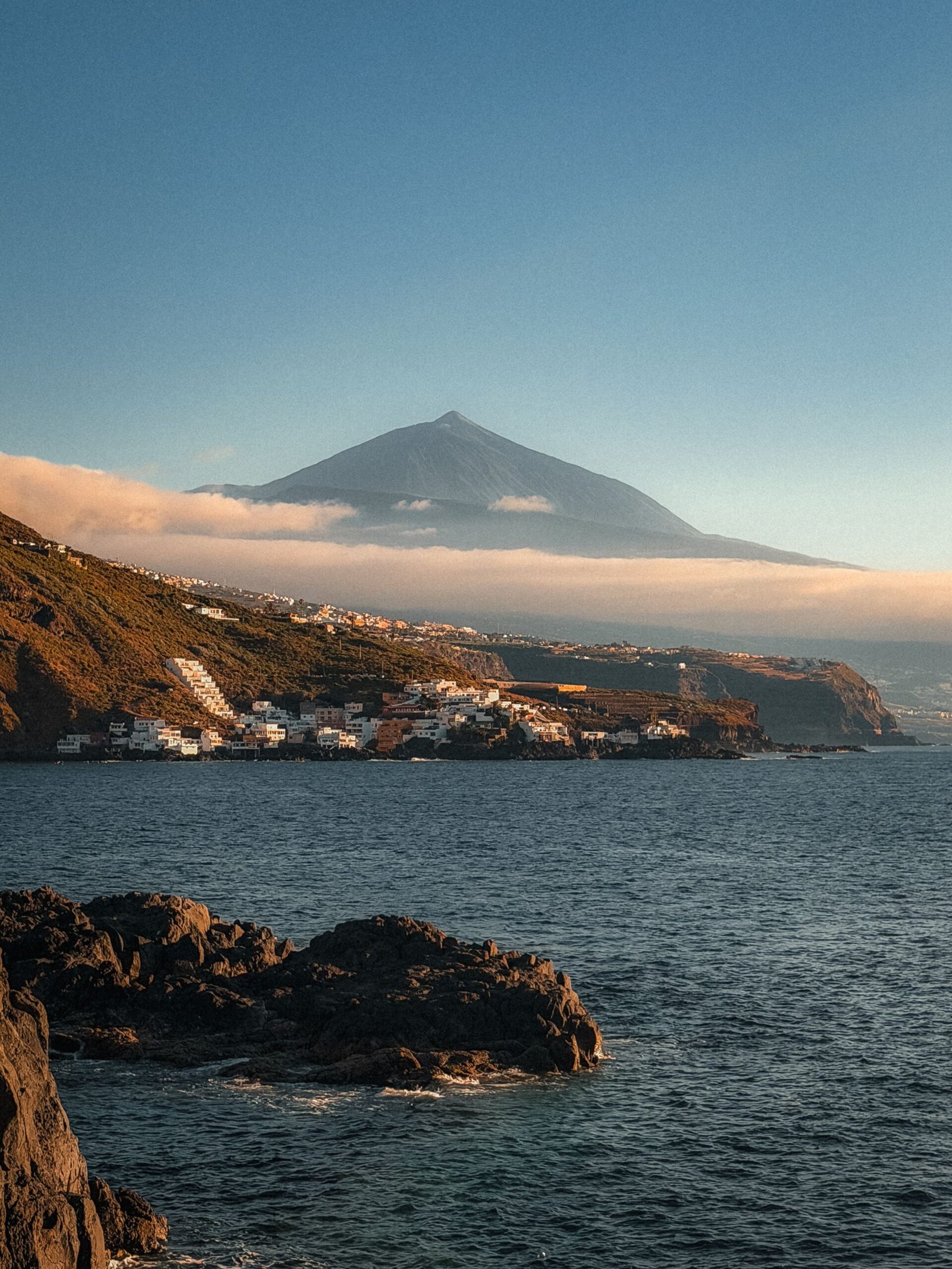 Volcanic vineyards, Lanzarote
Four islands, four ways of living
There are eight Canary Islands in total — these four hold the vast majority of international buyers.
The largest and most complete
Tenerife
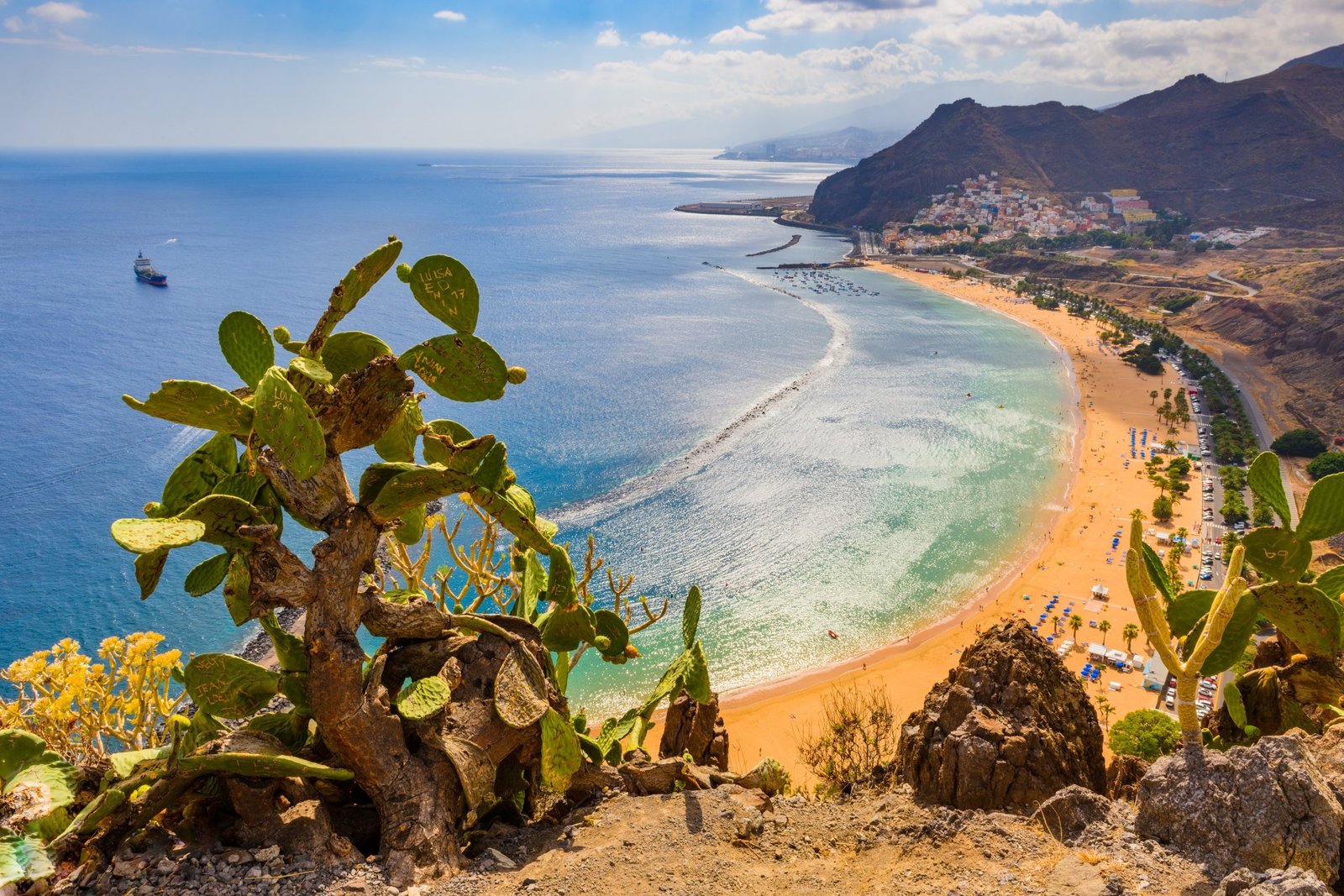
Home to Mount Teide, Spain's highest peak, and the archipelago's largest city, Santa Cruz. The south coast — Costa Adeje, Los Cristianos, Playa de las Américas — holds the bulk of international property and resort infrastructure, while La Laguna and the Anaga mountains in the north offer a greener, more traditional side of the island.
Beaches and a genuine city
Gran Canaria
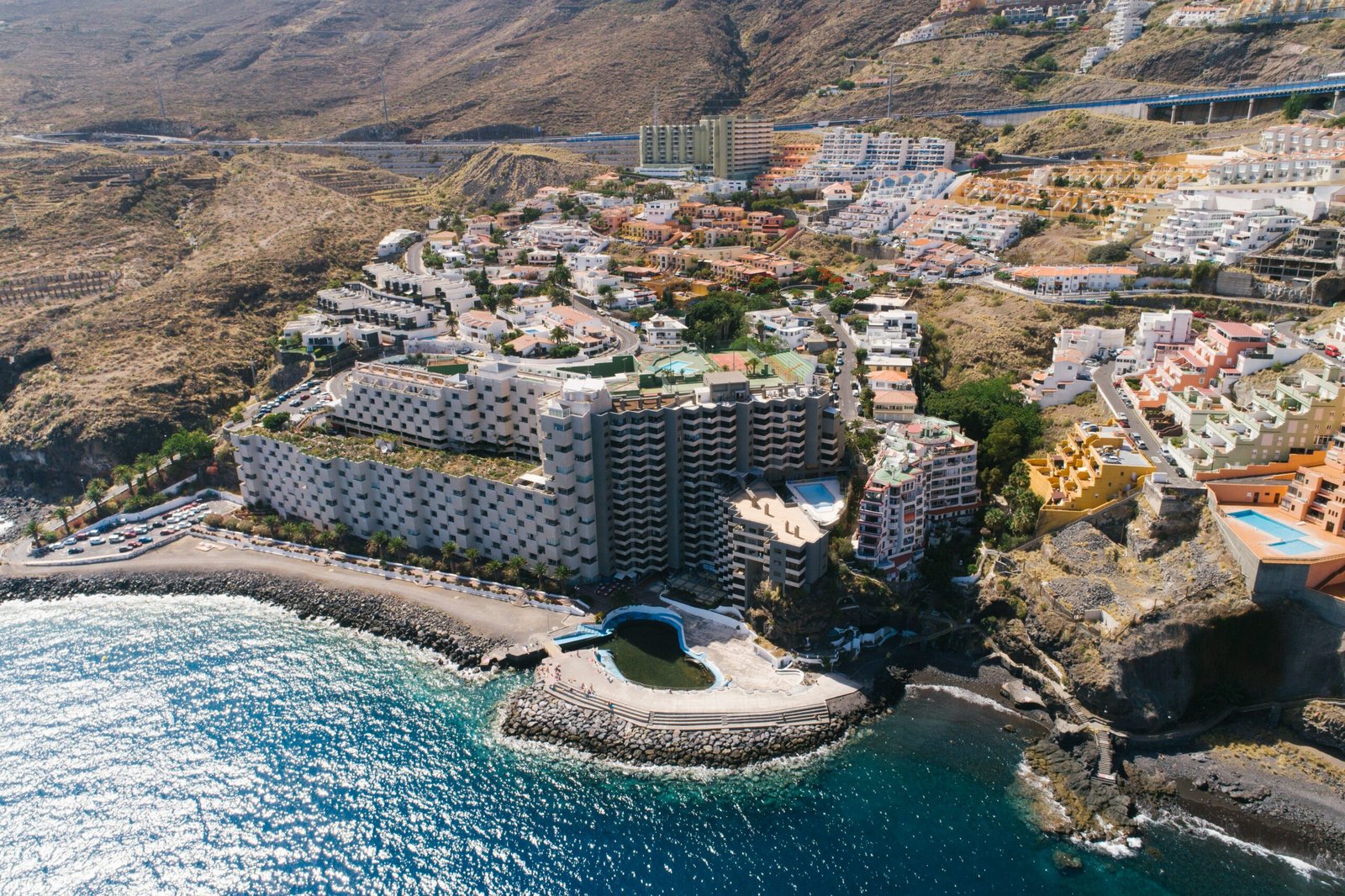
Las Palmas is one of the few Canarian cities with a real urban, year-round social scene — Las Canteras beach sits inside the city itself. The south, around Maspalomas and Playa del Inglés, holds the island's resort and rental market, with a dune reserve that remains one of the most striking landscapes in the archipelago.
Volcanic, protected, deliberately different
Lanzarote
Shaped almost entirely by the artist and architect César Manrique, Lanzarote enforces strict building codes — no billboards, no high-rises — that have preserved the island's black volcanic landscape and whitewashed architecture. Property here trades a smaller market for one of the most protected and design-conscious environments in Spain.
Desert, dunes and wind
Fuerteventura
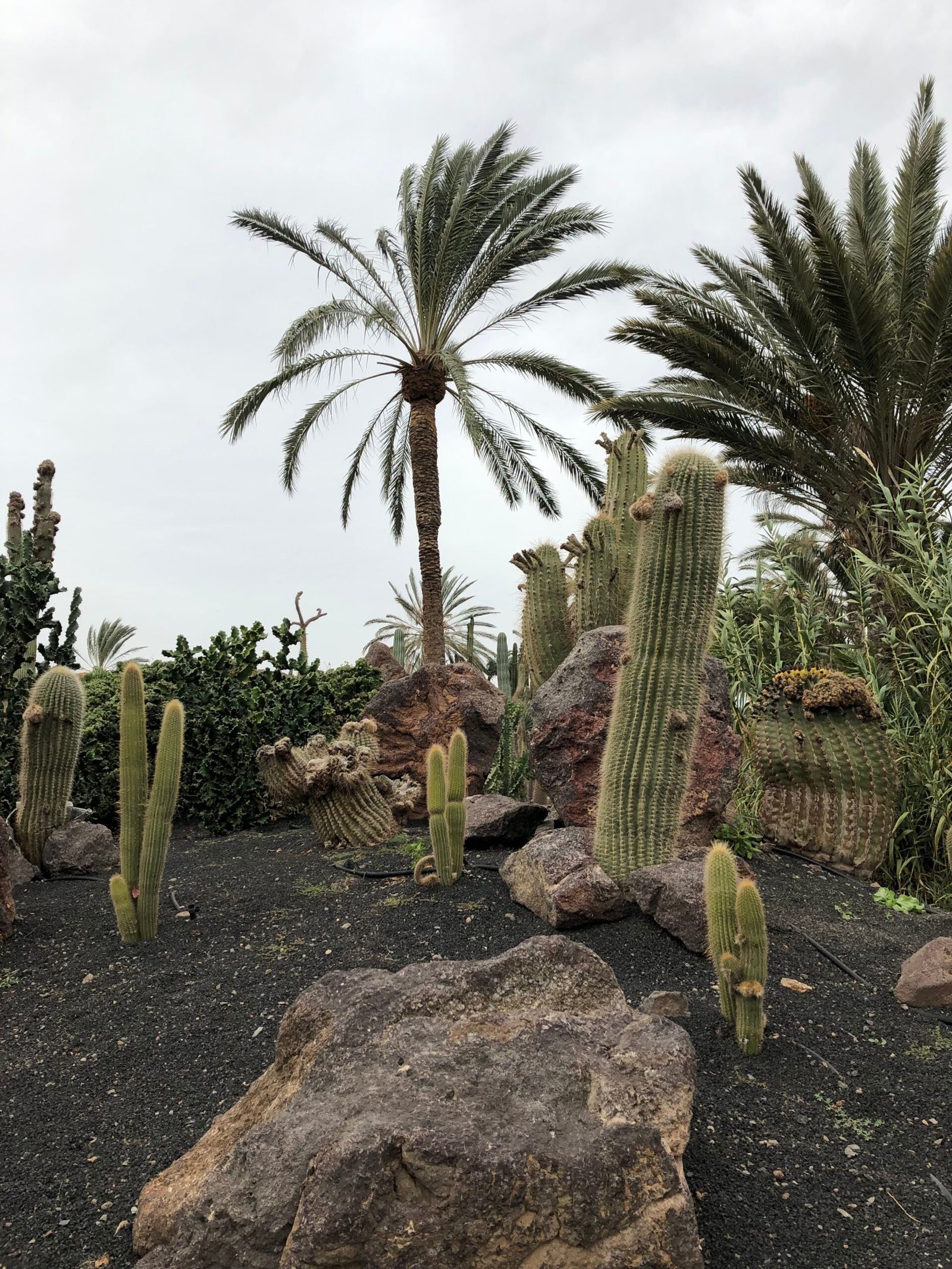
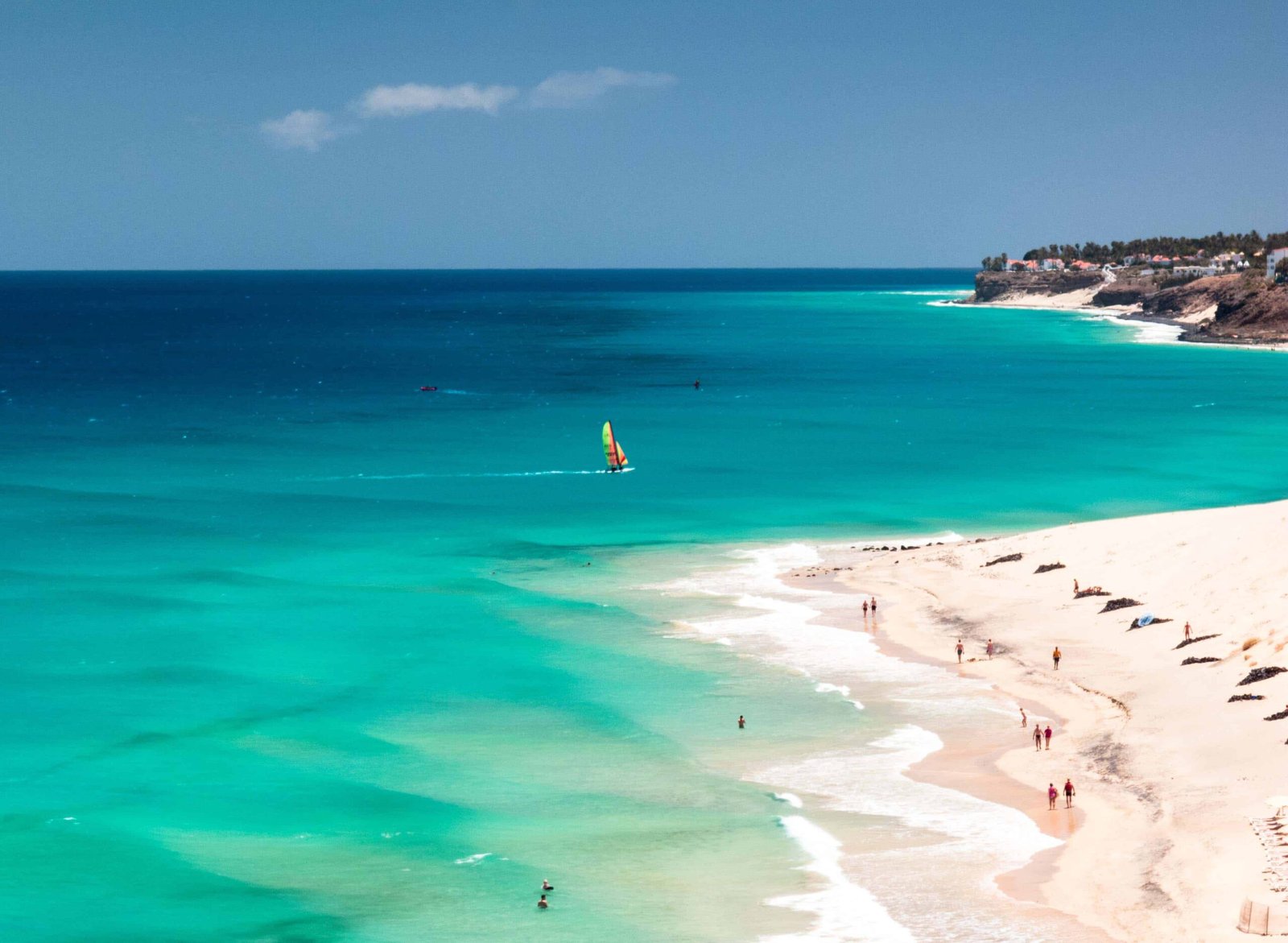
The closest island to Africa and the quietest of the four, with vast beaches like Corralejo and Sotavento, and a landscape closer to desert than tropical island. The smallest and most accessible property market of the main islands, popular with buyers prioritising space, wind sports and value over city life.
The food that comes with the house
Canarian cooking draws on Spanish, Latin American and North African influences — built around volcanic-soil produce and the Atlantic.
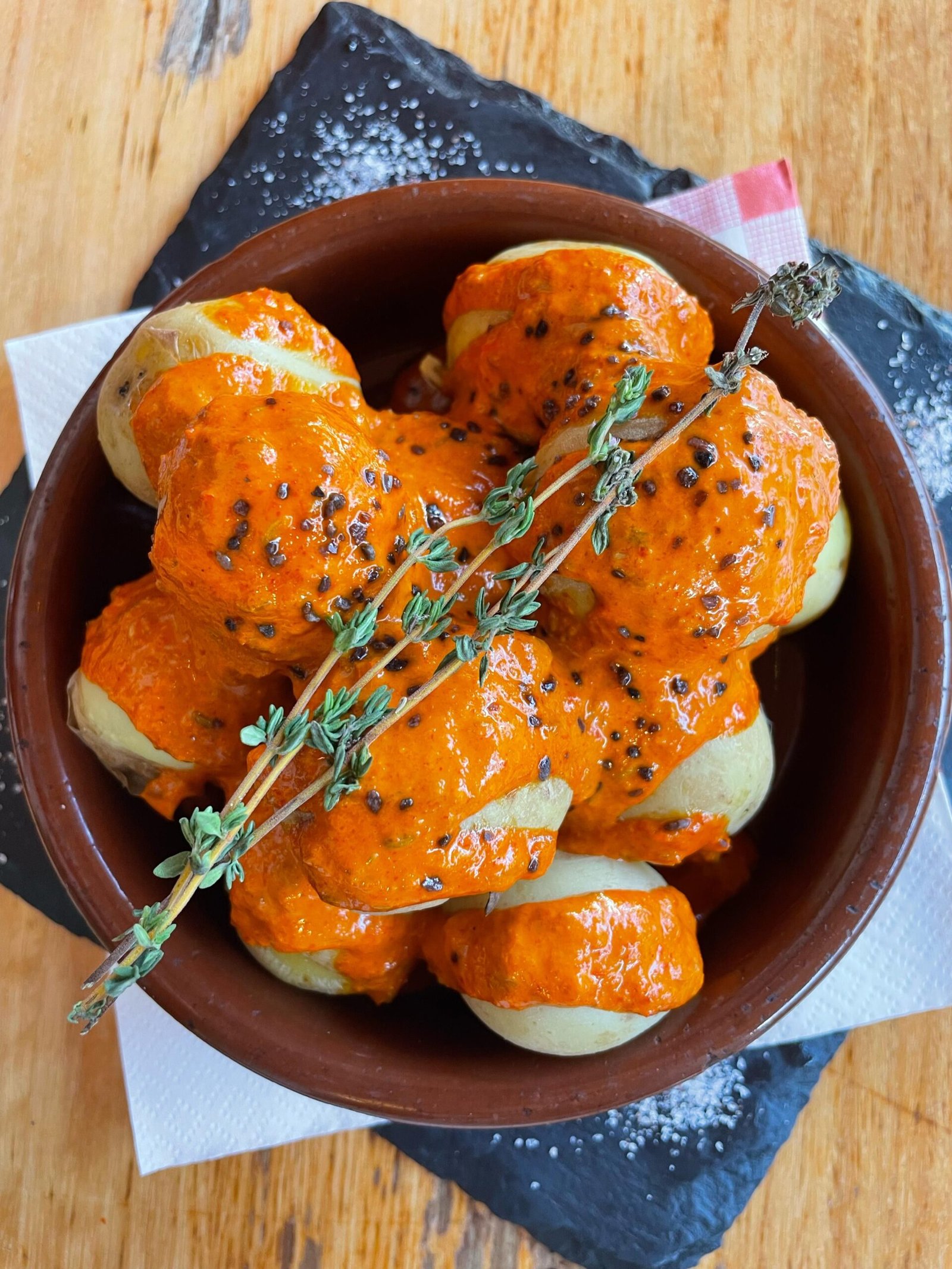
Papas arrugadas con mojo
Small potatoes boiled in heavily salted water until wrinkled, served with mojo rojo or mojo verde. The single most ordered dish on any Canarian menu.

Gofio
Toasted, milled grain flour predating Spanish colonisation, stirred into soups, desserts or eaten as a paste — the most distinctly Canarian ingredient there is.

Plátano de Canarias
A shorter, sweeter banana grown on volcanic soil under EU protected status. Farms across Tenerife, Gran Canaria and La Palma supply the whole of Spain.
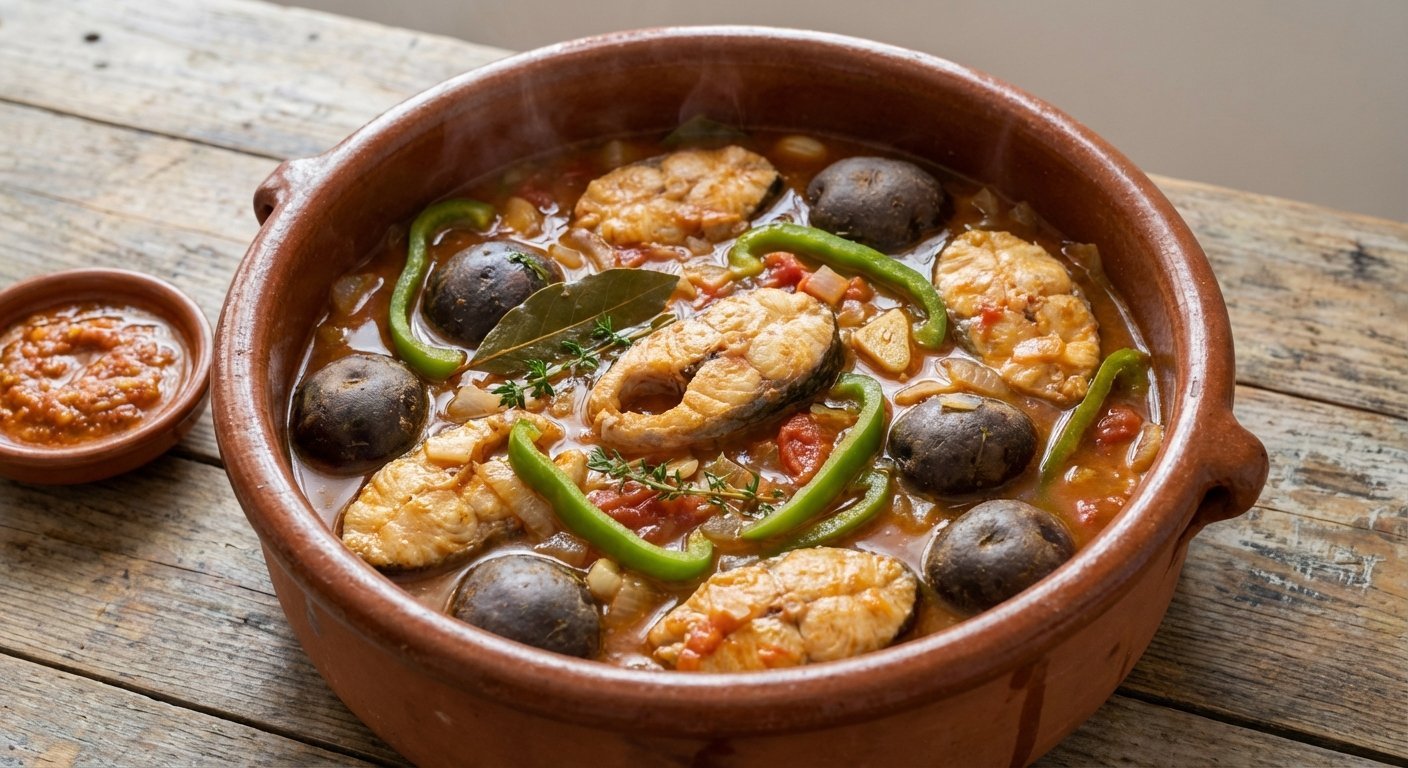
Sancocho canario
Salted fish, usually cherne, slow-cooked with potatoes and sweet potato, served with mojo and gofio — traditionally a Lenten dish, now eaten year-round.
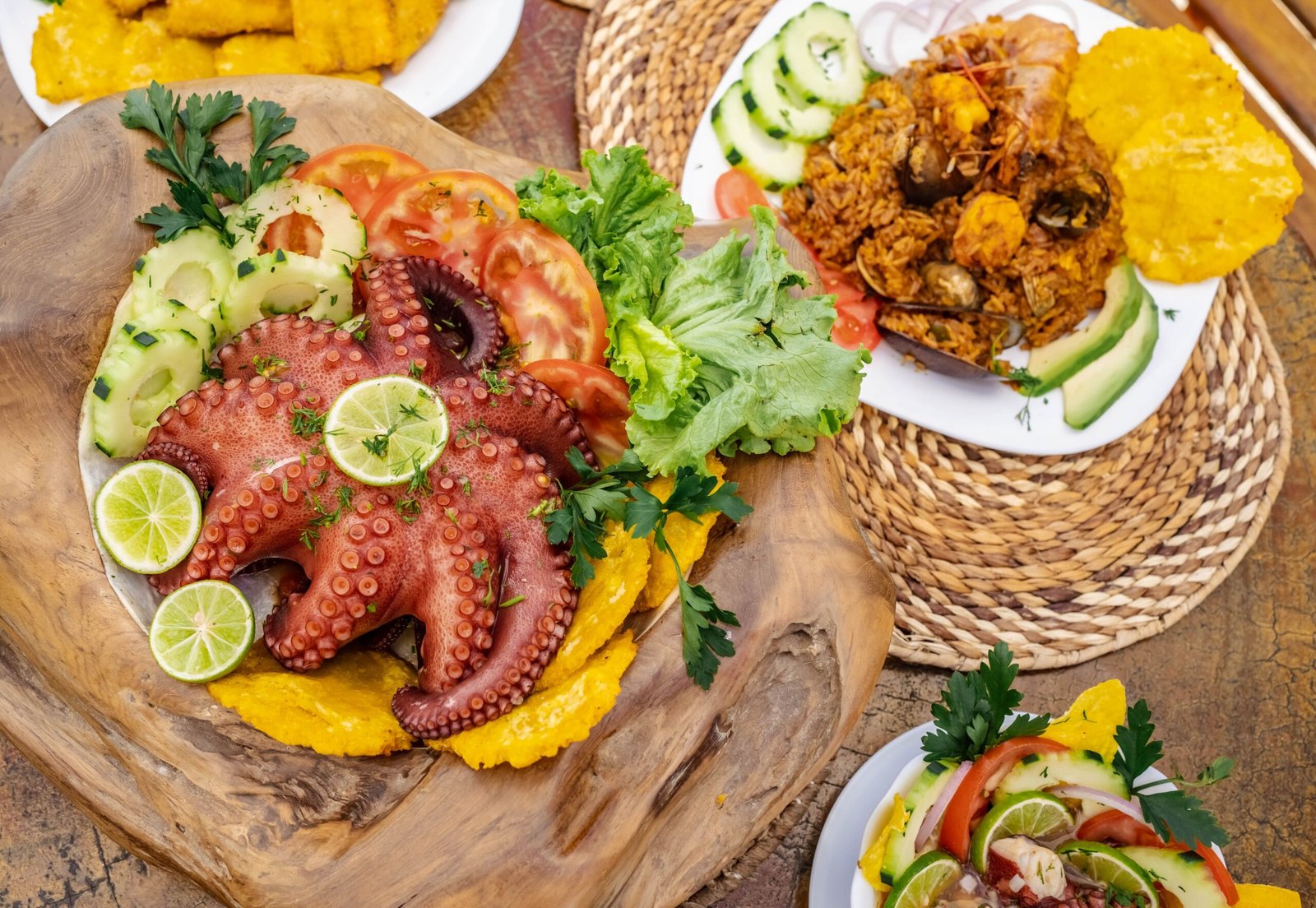
Atlantic seafood
Vieja (parrotfish), cherne and fresh octopus grilled simply "a la plancha" — the daily catch is central to island life on the coast.
Queso majorero & volcanic wine
Fuerteventura's DOP-protected goat's cheese and the pre-phylloxera volcanic vineyards of Lanzarote — where vines are grown in individual hollows scooped from black lapilli — are two of the archipelago's most distinctive products, both increasingly sought after well beyond the islands.


The second biggest carnival on Earth
Canarian festivals mix Spanish tradition with a Latin American energy shaped by centuries of migration between the islands and the Americas.
Carnaval de Santa Cruz de Tenerife
Officially recognised by UNESCO and often ranked the world's second-largest carnival after Rio: elaborate costumes, all-night street parties (Carnaval de Día), and the famous Drag Queen Gala.
Carnaval de Las Palmas
Gran Canaria's answer, equally spectacular and slightly less touristic — the Queen of Carnival gala and the closing "burial of the sardine" are the highlights.
Corpus Christi, La Orotava
Tenerife's La Orotava carpets its central square with intricate images made entirely of coloured volcanic sand — a tradition dating back over 200 years.
Bajada de la Rama, Agaete
A pre-Hispanic Guanche rain ritual, still celebrated in Gran Canaria: locals parade through town beating branches of laurel and pine on the ground.
Timple & folk music
The timple, a small five-string guitar unique to the islands, remains central to Canarian folk music, heard at romerías and local fiestas across all four islands.
Golf, surf and hiking — every month of the year
The Canaries' constant climate means there is no real off-season for outdoor life — a genuine rarity in Europe.
Featured
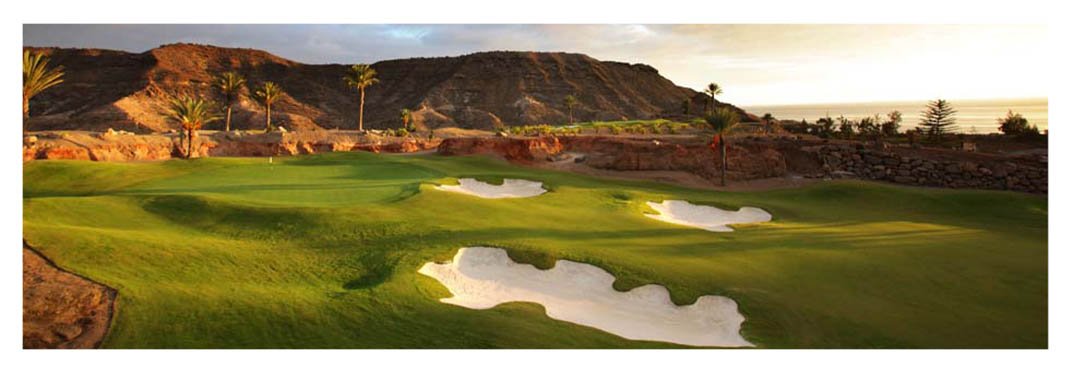
Golf with a volcanic backdrop
Real Club de Golf de Las Palmas, founded in 1891, is the oldest golf club in Spain — and still one of the most respected.
Real Club de Golf de Las Palmas — Spain's original club, set in a volcanic crater outside the capital. Golf Costa Adeje — sea-view course on Tenerife's south coast. Amarilla Golf — a cliffside links-style course above the Atlantic in Tenerife.
Surfing & windsurfing
Fuerteventura's northern coast is a world-class wind and kitesurf destination, while Tenerife and Lanzarote both hold consistent, rideable Atlantic swell year-round.
Hiking Teide & the Anaga
Teide National Park and the ancient Anaga laurel forests offer some of the most varied hiking terrain in Spain, from lunar volcanic trails to lush cloud forest.
Sailing & whale watching
The waters off Tenerife's south coast host one of the largest resident populations of pilot whales and dolphins in Europe, visible on short boat trips year-round.
Diving
Volcanic reefs, wrecks and exceptional visibility make the Canaries one of Europe's leading dive destinations, with sites off Tenerife, Lanzarote and Fuerteventura.
Stargazing
Teide Observatory in Tenerife and the Roque de los Muchachos on La Palma are among the best astronomical sites on Earth, with public night-sky tours available.
Golf
More than a dozen courses across the islands, including Spain's oldest club — see featured above.
A long-standing international community
British and German residents have settled in the Canaries for generations, drawn originally by the climate and, increasingly, by remote-work flexibility.
International Education
- British School of Tenerife National British curriculum, one of the island's longest-established international schools.
- Colegio Attendis Tenerife A bilingual British-Spanish curriculum school on the south coast, close to the main expat areas.
- Deutsche Schule Las Palmas German curriculum school serving Gran Canaria's long-established German community.
- British School of Gran Canaria British National Curriculum option based in Las Palmas.
Clubs & Associations
- British Chamber of Commerce (Canary Islands) An active regional business network with events across Tenerife and Gran Canaria.
- Anglo-Canarian Society One of the islands' oldest social and cultural associations for the British community.
- Royal Nautical Clubs of Tenerife & Gran Canaria Historic yacht clubs with strong international membership and active regatta calendars.
- Golf & padel clubs with international membership Especially around Costa Adeje and Maspalomas, where foreign residents make up a large share of members.
Start your search in the Canary Islands
Tell us which island interests you — Tenerife, Gran Canaria, Lanzarote or Fuerteventura — and one of our advisors will be in touch within 24 hours.
Request a free consultation →