Balearic Islands
An archipelago, not one market
The Balearics aren't a single property market — they're four distinct ones. Mallorca offers the scale and infrastructure of a small country: a capital city, an international airport, private hospitals and schools. Menorca is quieter and more protected, with strict building limits that keep it that way. Ibiza mixes UNESCO-listed old town with the island's famous nightlife economy. Formentera remains the smallest and most exclusive, reachable only by boat.
What unites them is rarity: a fixed, legally constrained supply of land on islands that keep attracting demand, which has made Balearic property one of the most resilient asset classes in Spain over the past two decades.
Palma's international airport connects directly to Ireland, the UK and — notably, year-round — New York, while inter-island ferries and short flights link Mallorca, Menorca and Ibiza in under an hour.
Speak to a Balearics specialist →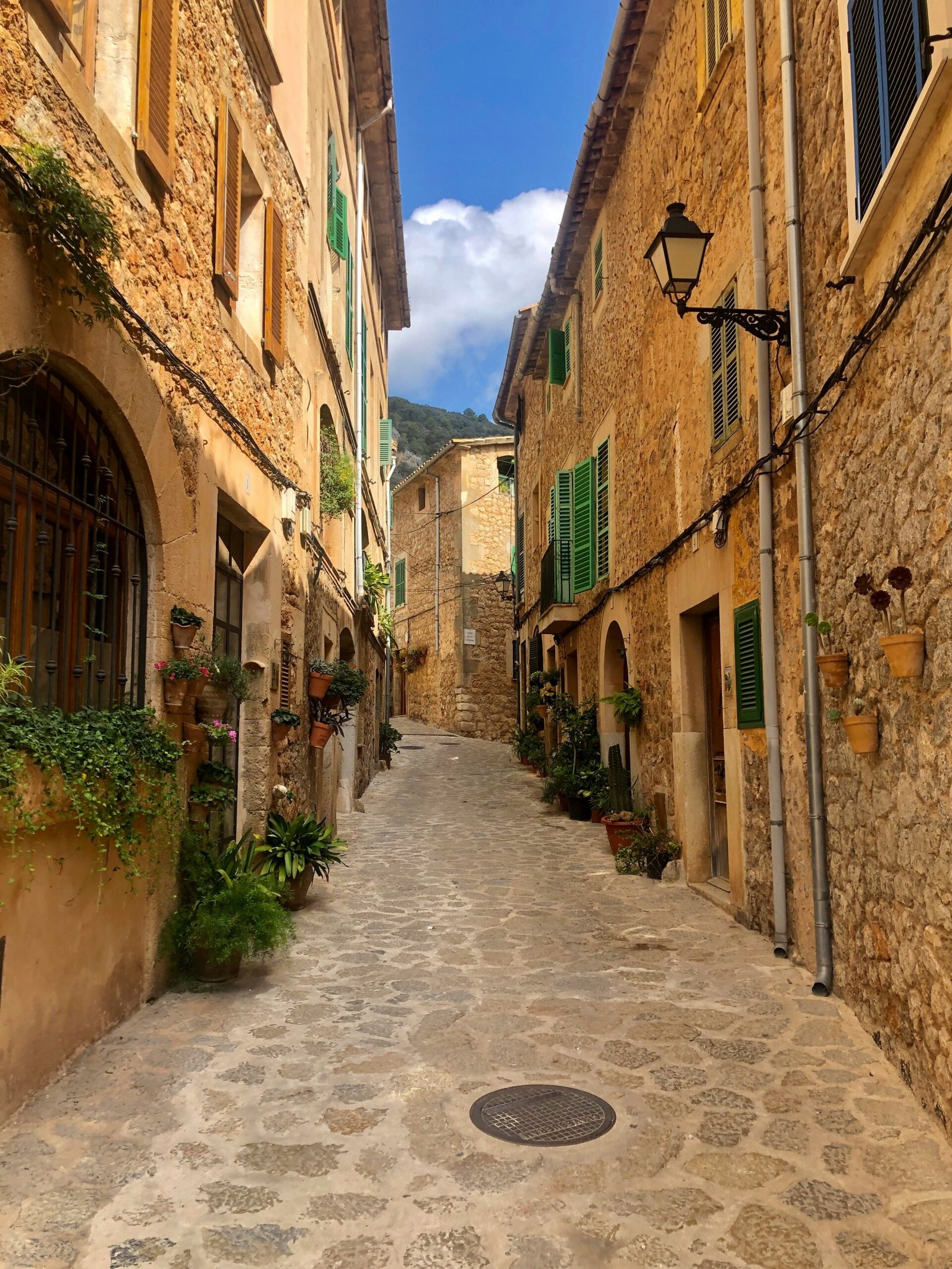 Streets of Mallorca, Mallorca
Four islands, four ways of living
Each Balearic island has its own character, its own planning laws, and its own kind of buyer.
The capital island
Mallorca
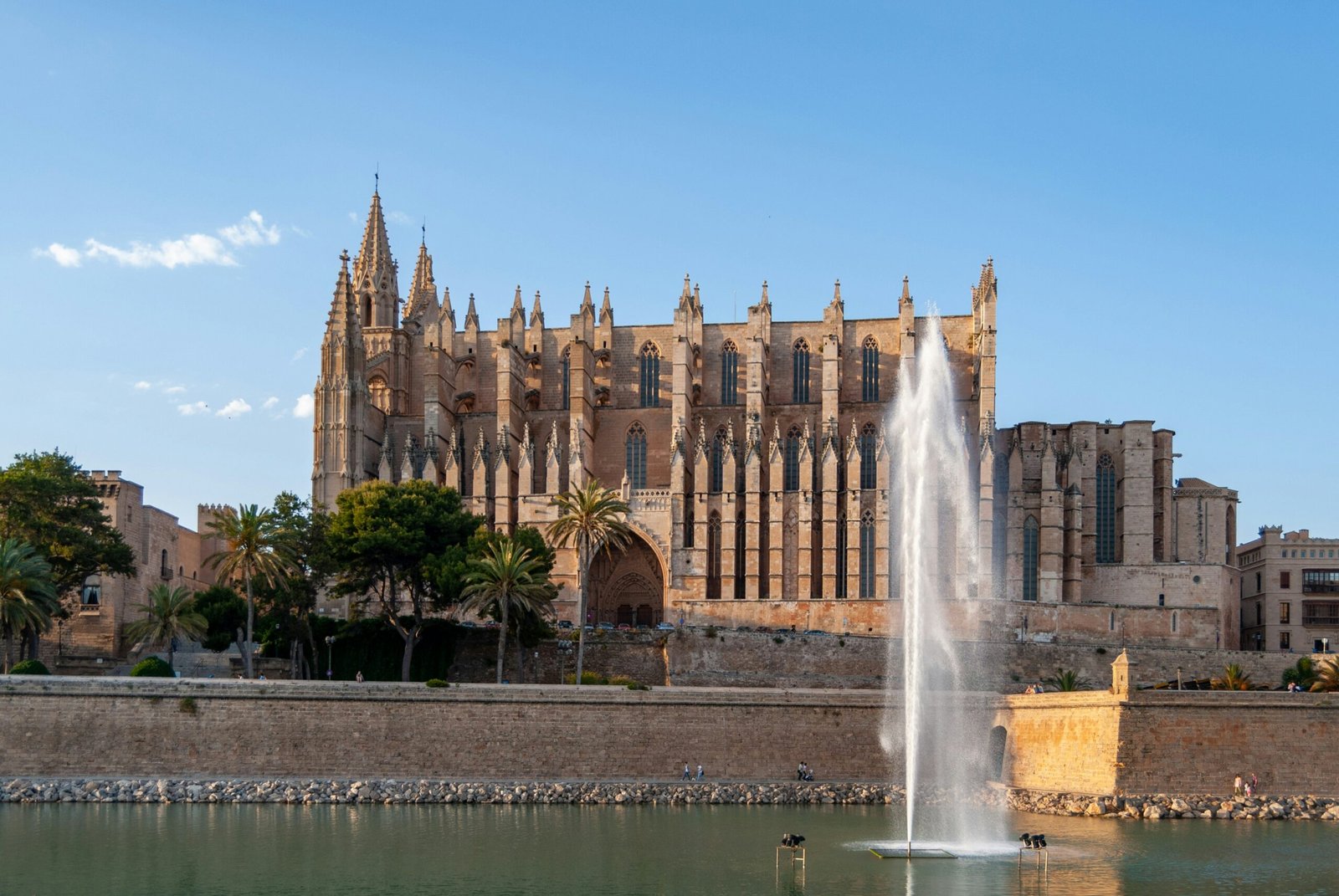
Palma is the only true city in the archipelago: a working capital with an international airport, private hospitals, established schools and a property market covering everything from Gothic old-town apartments to Southwest coast villas in Port Andratx and Santa Ponsa. It's also home to the Serra de Tramuntana, a UNESCO World Heritage mountain range that provides hiking, cycling and inland village life just 40 minutes from the beach.
Protected and unspoiled
Menorca
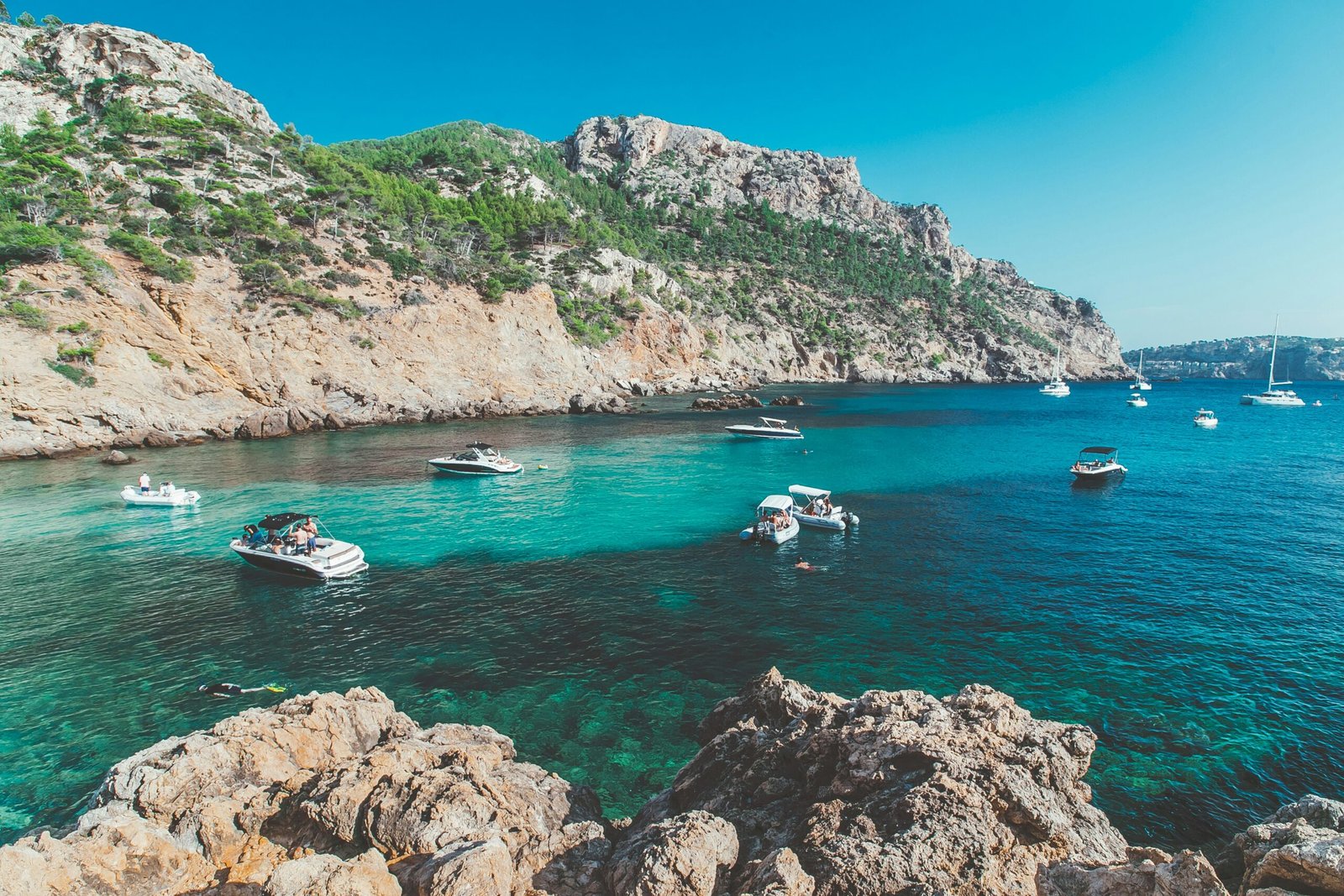
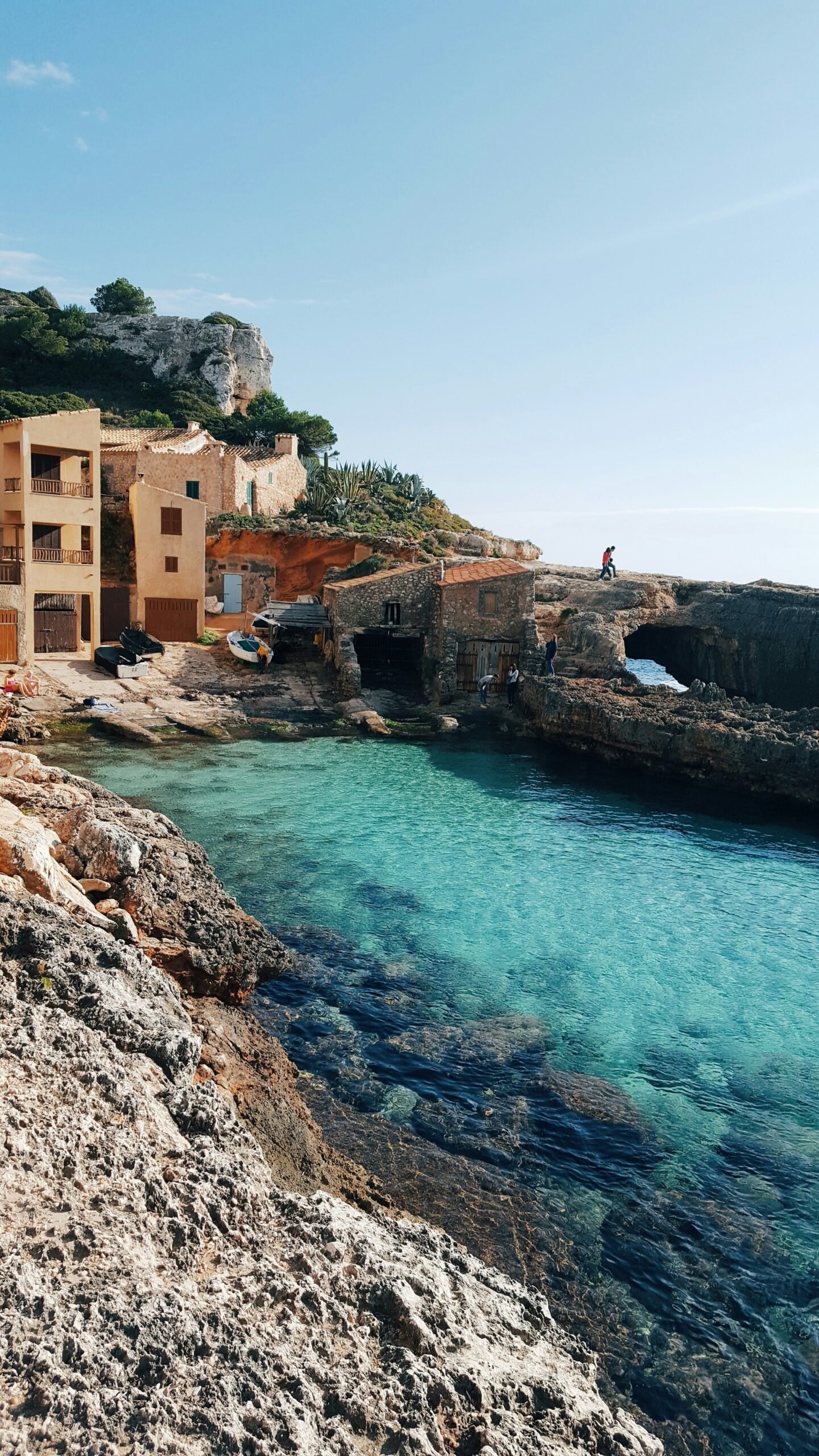
A UNESCO Biosphere Reserve where strict building regulations have deliberately capped development, keeping the island's turquoise coves — Macarella, Turqueta, Pregonda — largely free of the high-rise development seen elsewhere on the Mediterranean. Quieter, greener and more family-oriented than Mallorca or Ibiza, with a smaller but very loyal international community, largely British.
History by day, energy by night
Ibiza
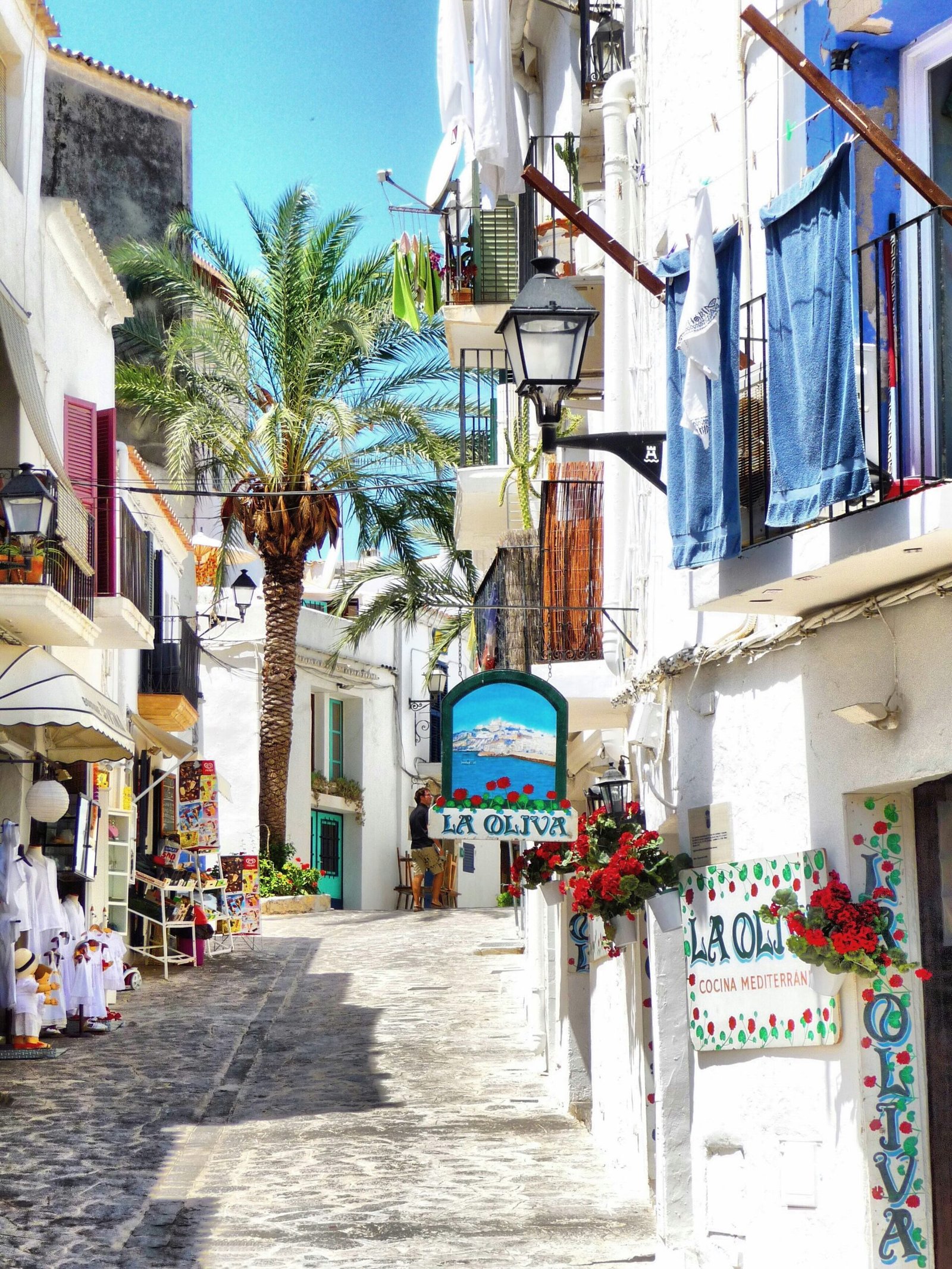
Dalt Vila, the walled old town, is a UNESCO World Heritage Site in its own right — a side of Ibiza that has nothing to do with its nightlife reputation. Property here spans whitewashed fincas inland, minimalist villas above Cala Jondal and Es Cubells, and apartments in the marina at Ibiza Town, with one of the highest rental yields in the Balearics thanks to a long, well-established tourism season.
The smallest and quietest
Formentera
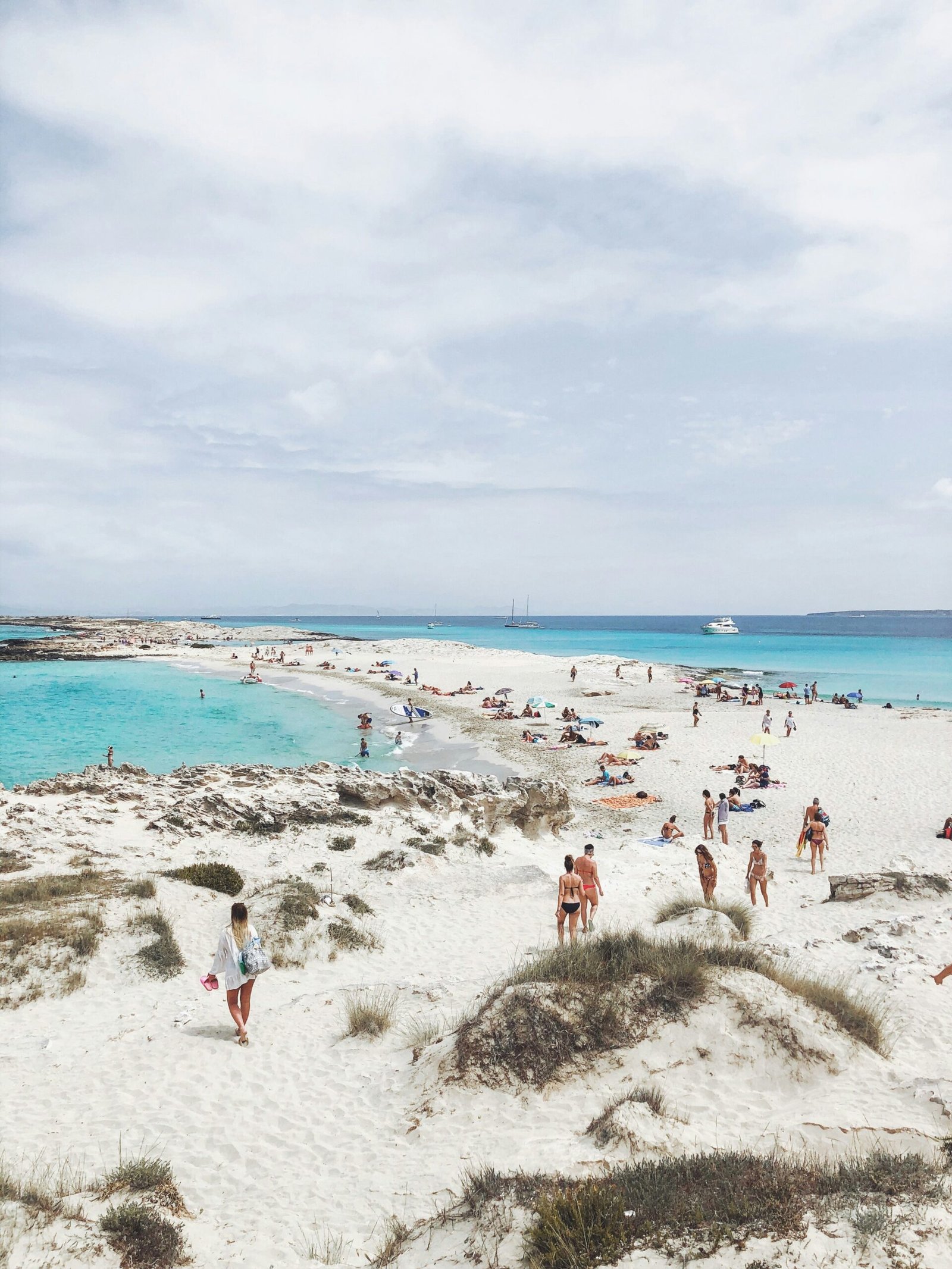
Reachable only by ferry from Ibiza, Formentera has no airport and, by design, very little development — home to Ses Illetes, routinely ranked among the best beaches in the world. Property here is scarce and highly sought-after, appealing to buyers who want the most exclusive and unspoiled corner of the archipelago rather than convenience.
The food that comes with the house
Balearic cooking is shaped by centuries of island isolation: cured pork, rustic bread, local wine and whatever the sea provides.
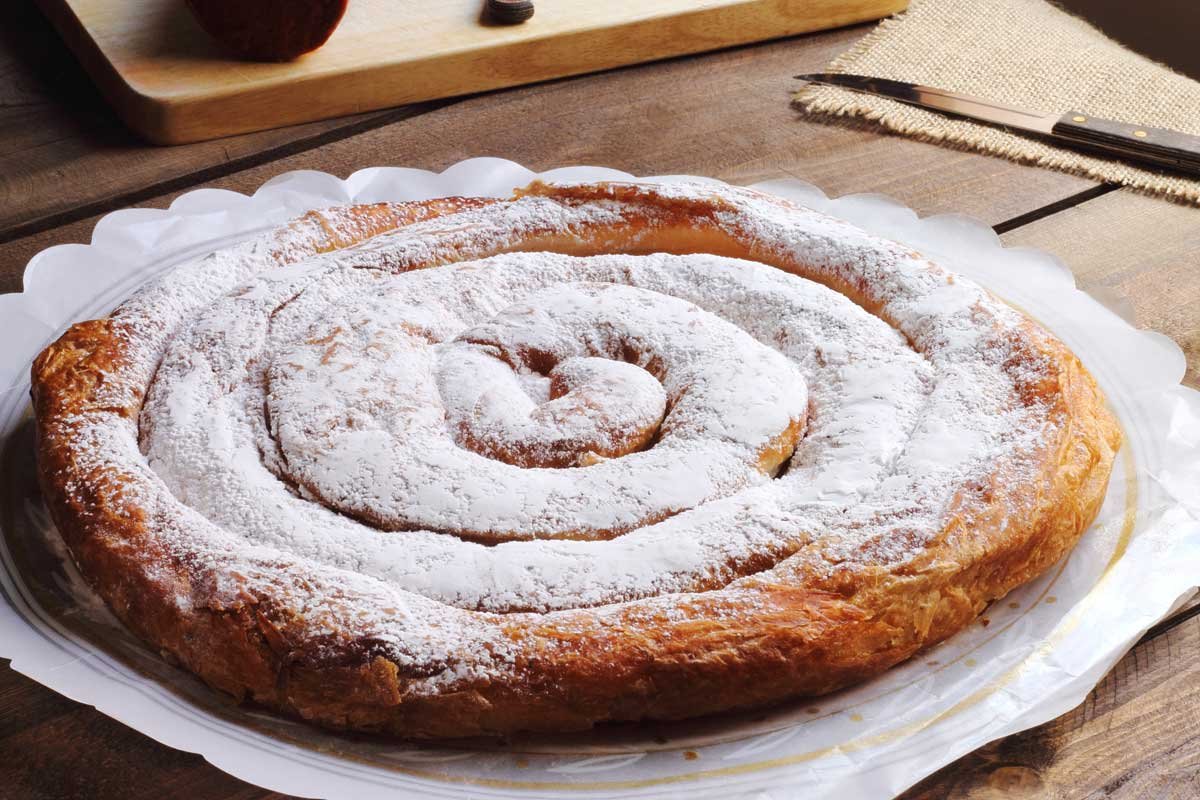
Ensaïmada
A spiral pastry made with pork lard (saïm), light and dusted with icing sugar. Mallorca's signature bake, eaten for breakfast or dessert across the whole archipelago.
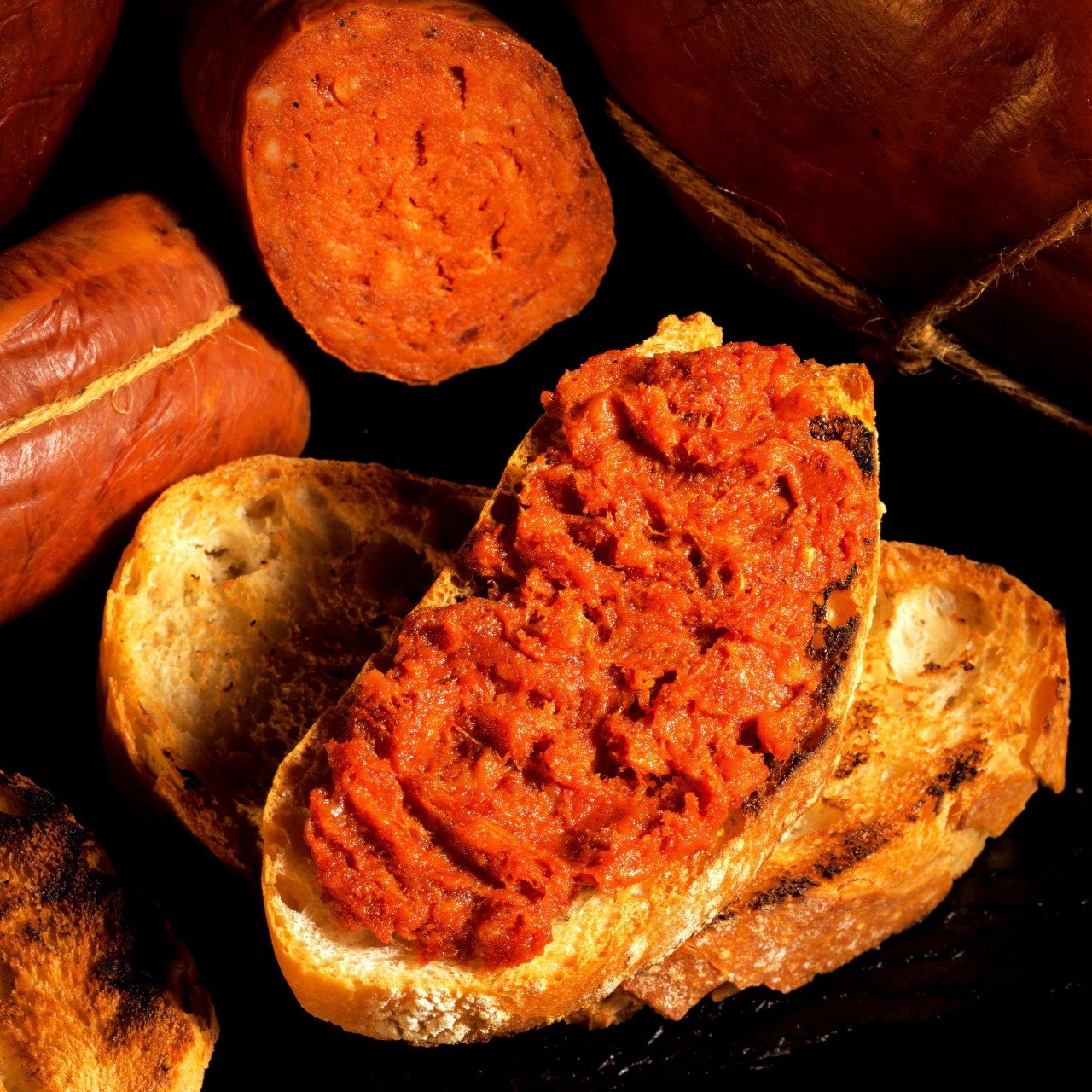
Sobrassada
A soft, spreadable cured pork sausage seasoned with paprika, from the native black pig. Spread on toast, melted into rice dishes, or paired with honey.
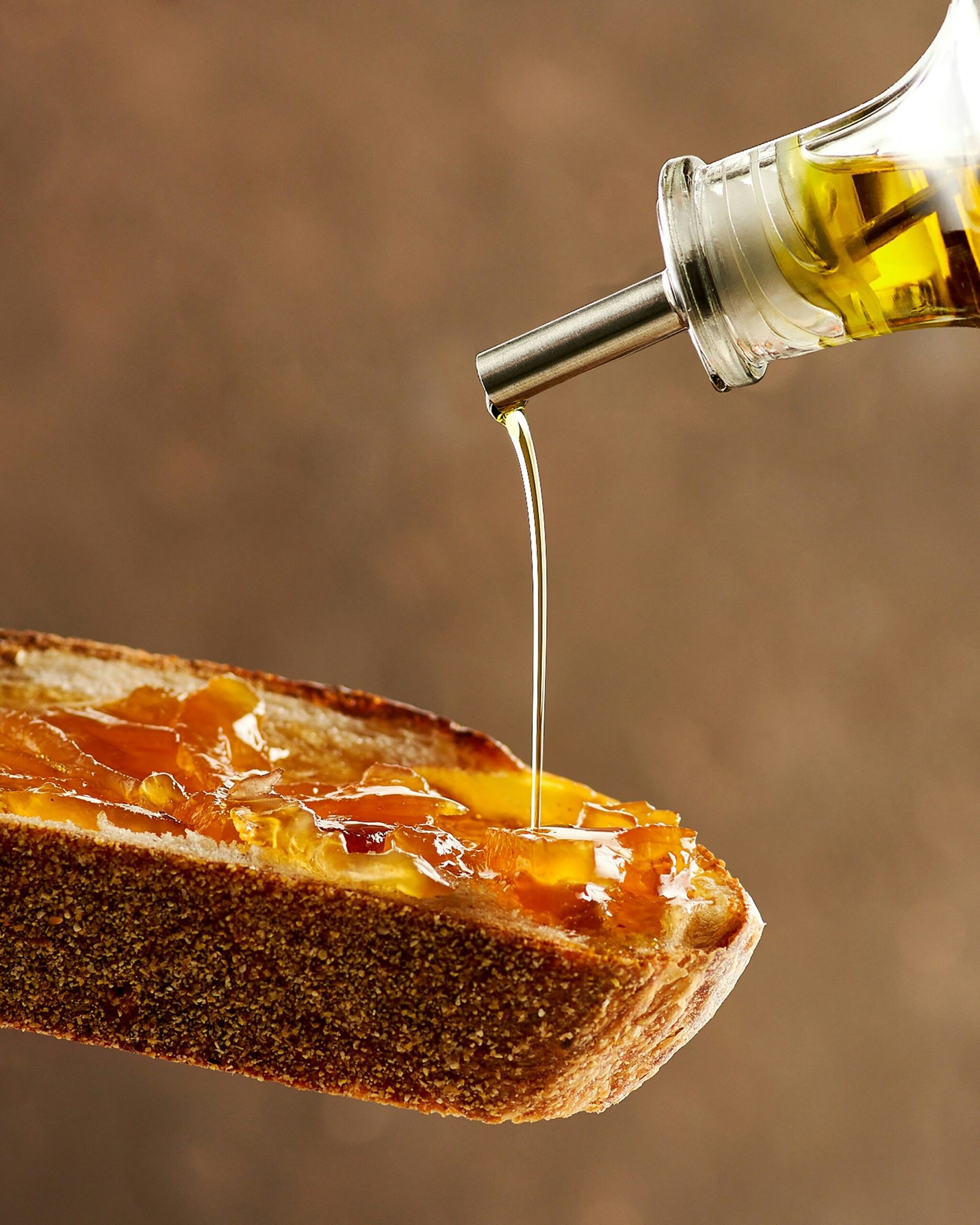
Pa amb oli
Rustic bread rubbed with tomato and drizzled with local olive oil, topped with cheese, ham or anchovies. The most basic — and most revealing — thing you can eat on the island.

Gin de Menorca
A legacy of 18th-century British rule: Menorca distils its own gin in wood-fired copper stills, drunk locally as pomada, mixed with lemonade.
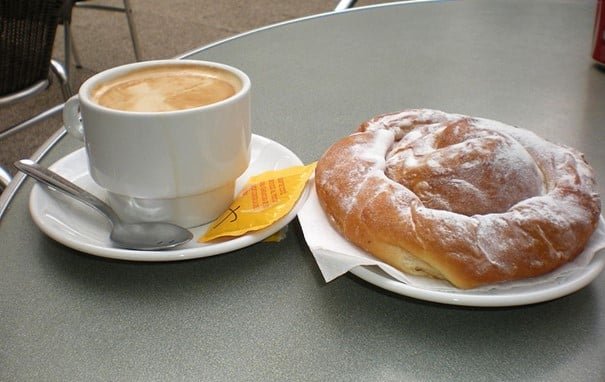
Morning coffee culture
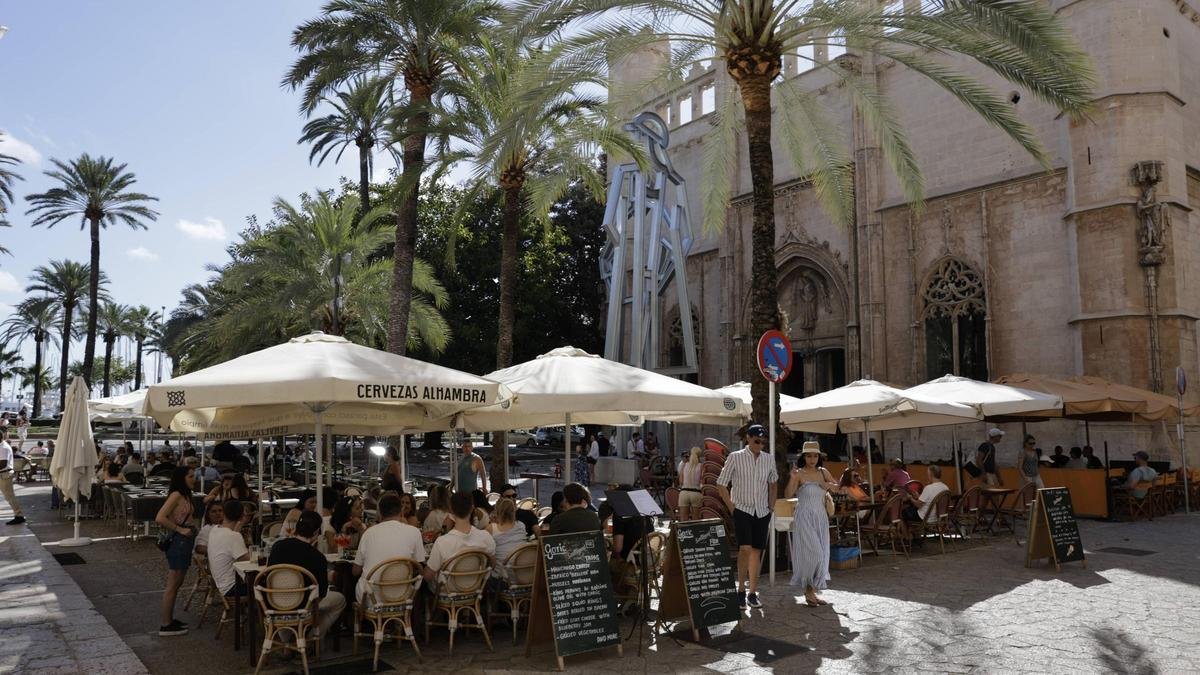
Café con leche and a warm ensaïmada at a terrace bar is a genuine daily ritual across the islands — one of the easiest habits for new residents to adopt.
Local wine, quietly excellent
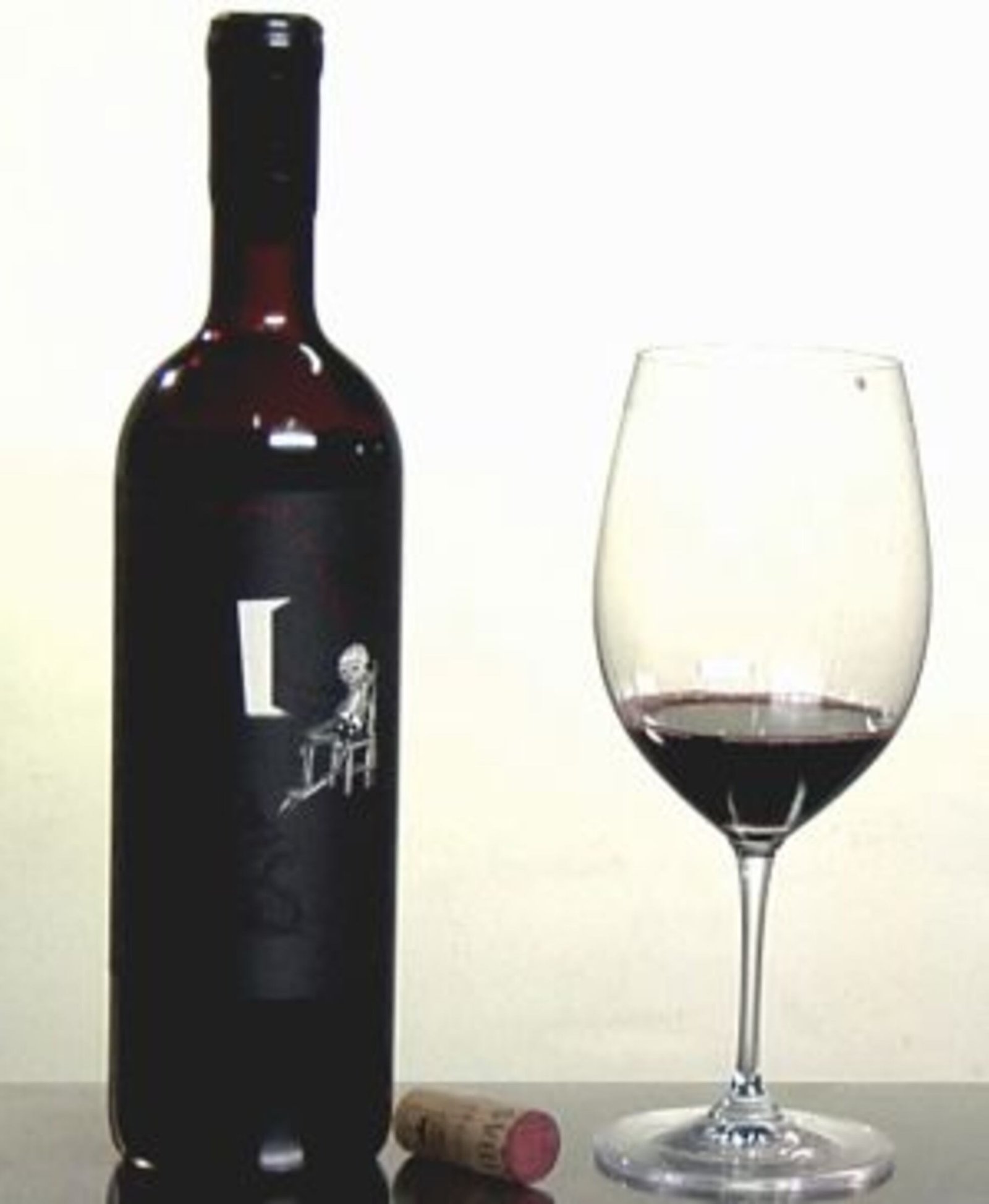
Mallorca's Binissalem and Pla i Llevant appellations produce increasingly respected reds from native grape varieties like Manto Negro — largely unknown outside Spain, but a growing draw for wine-focused residents, with several producers now open for tastings and cellar visits.


Traditions as old as the islands themselves
Balearic festivals are largely local, low-key by design, and all the more genuine for it.
Festes de Sant Joan, Menorca
Ciutadella's centuries-old horse festival: riders in formal black-and-white dress parade purebred Menorcan horses through packed squares in the jaleo, rearing them on their hind legs to the sound of traditional music.
Sant Antoni, Ibiza
Bonfires, "correfoc" fire-runs with devils and drummers, and roasted meat shared with neighbours — Ibiza's most traditional festival, a world away from its summer club scene.
Festes de Sant Jaume & Sant Martí
Menorca's summer festival calendar runs town by town from June to September, each with its own horse-riding jaleo — a living tradition, not a show staged for visitors.
Festa d'Es Vermar, Binissalem
Mallorca's grape-harvest festival: a good-natured grape fight in the streets followed by wine tastings, marking the end of the island's harvest season.
Sunday markets
From Santanyí's Wednesday and Saturday market to the hippy market at Es Canar in Ibiza, open-air markets remain one of the main social fixtures of island life.
Sailing, golf and the sea, always
Life in the Balearics is organised around the water — but the islands hold more inland variety than most people expect.
Featured
Golf on the water's edge
Mallorca alone has more than 20 golf courses, several designed with sea views built into the routing.
Alcanada Golf — a Robert Trent Jones Jr. design on a peninsula near Alcúdia, consistently ranked Spain's most scenic course. Son Gual — a modern championship course close to Palma. Golf Son Vida — Spain's first golf course, opened in 1964, in the hills above the capital.

Sailing & marinas
Port Adriano, Puerto Portals and Marina Ibiza rank among the Mediterranean's most prestigious moorings, with a sailing and superyacht culture that runs deep across all four islands.
Hiking the Tramuntana
The UNESCO-listed Serra de Tramuntana offers some of the best coastal hiking in the Mediterranean, from the GR221 long-distance trail to short village walks around Deià and Valldemossa.
Road cycling
Mallorca is one of Europe's premier winter training destinations for professional cyclists, thanks to mild weather and smooth mountain roads through the Tramuntana.
Wine routes
Binissalem and Pla i Llevant in Mallorca, both with a growing number of boutique wineries offering cellar tours and tastings, largely undiscovered outside Spain.
Padel & tennis clubs
A rapidly growing club network, particularly around Palma and Santa Ponsa, with social leagues that make it an easy way to build a local circle after moving.
Golf
More than 20 courses in Mallorca alone, several with sea views built into the routing — see featured above.
A long-established international community
British, Irish and German residents have owned property in the Balearics for generations — this is one of the most internationally integrated corners of Spain.
International Education
- Baleares International School British curriculum school near Palma, one of the island's longest-established international schools.
- Queen's College Mallorca British National Curriculum school in Palmanova, serving the Southwest coast's international families.
- Agora Portals International School A bilingual, IB-accredited option near Puerto Portals.
- Morna International School, Ibiza British curriculum option serving Ibiza's growing international community.
Clubs & Associations
- British Chamber of Commerce (Balearics) A long-standing business network with regular events across Mallorca.
- Palma International Women's Group One of the oldest and most active expat social and support networks on the island.
- Royal Yacht Clubs of Palma & Mahón Historic sailing clubs with strong international membership, dating back over a century.
- Golf & padel clubs with international membership Especially around Palma, Santa Ponsa and Puerto Portals, where foreign residents form a large share of members.
Start your search in the Balearics
Tell us which island interests you — Mallorca, Menorca, Ibiza or Formentera — and one of our advisors will be in touch within 24 hours.
Request a free consultation →