Asturias
Not the Spain you were picturing — and that's the point
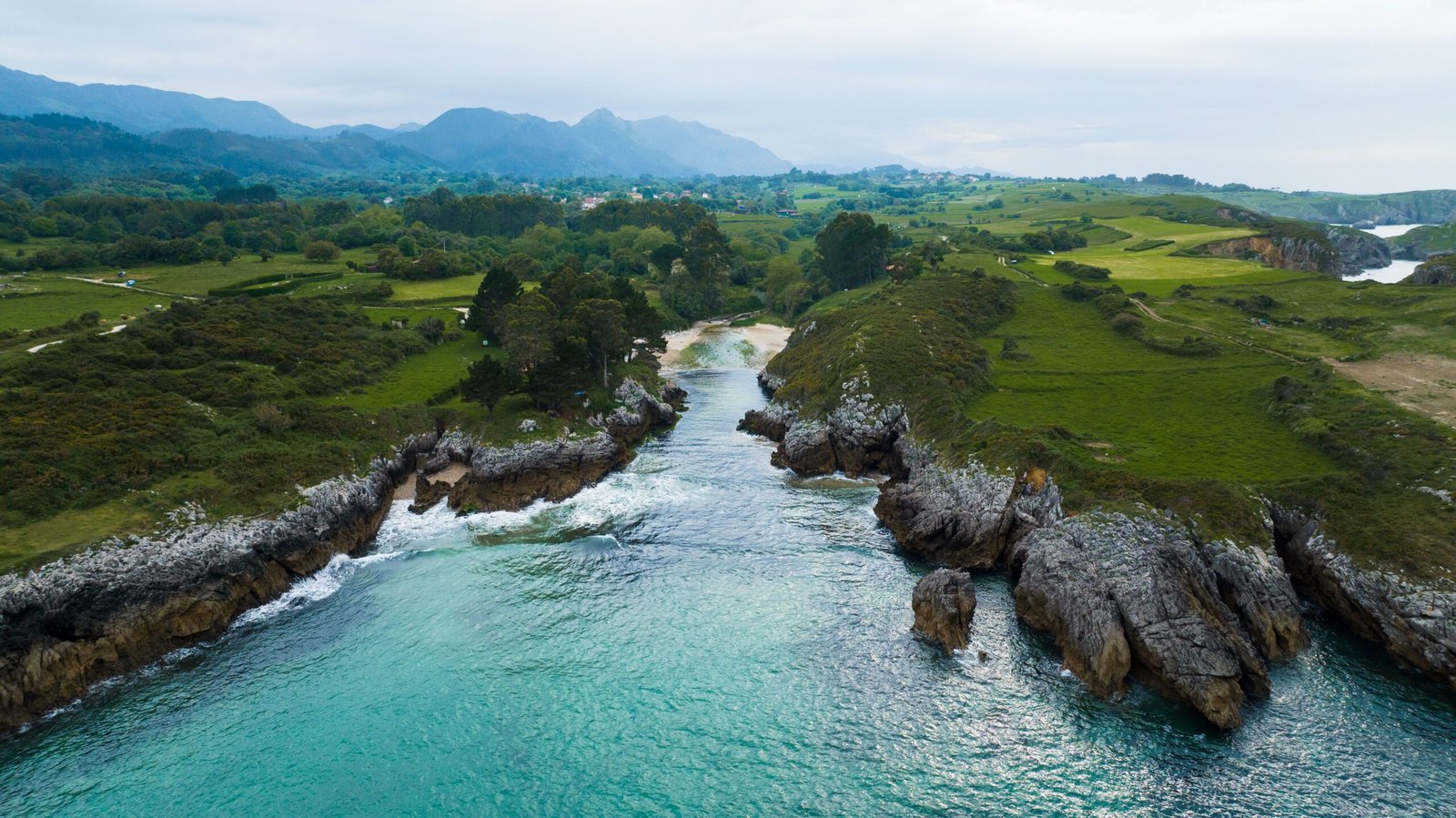
Asturias sits on Spain's northern Atlantic coast, and its climate has almost nothing in common with the Mediterranean regions most buyers first consider: mild, wet winters, cool green summers, and a landscape of mountains and cider orchards rather than palm trees and pool terraces. Locals call it "Paraíso Natural" — natural paradise — and the label isn't just marketing; over a third of the region is protected parkland, including the Picos de Europa, Spain's first national park.
This is not, today, a region with a large established international retiree community the way the Costa del Sol or Costa Blanca is. What it does attract is a smaller, growing group of buyers: hikers and surfers looking for a second home, remote workers drawn to the quality of life and lower cost of living, and pilgrims who fall for the region while walking the Camino de Santiago and come back to buy.
Property here is genuinely different value: restored stone farmhouses (casonas), Art Nouveau apartments in Gijón and Oviedo built by returning "Indianos" who made their fortunes in the Americas, and coastal cottages in fishing villages that have barely changed in a century.
Speak to an Asturias specialist → Picos de Europa National Park
Four areas, one green thread
Asturias is compact — you can drive from the mountains to the sea in under an hour almost anywhere in the region.
The historic capital
Oviedo
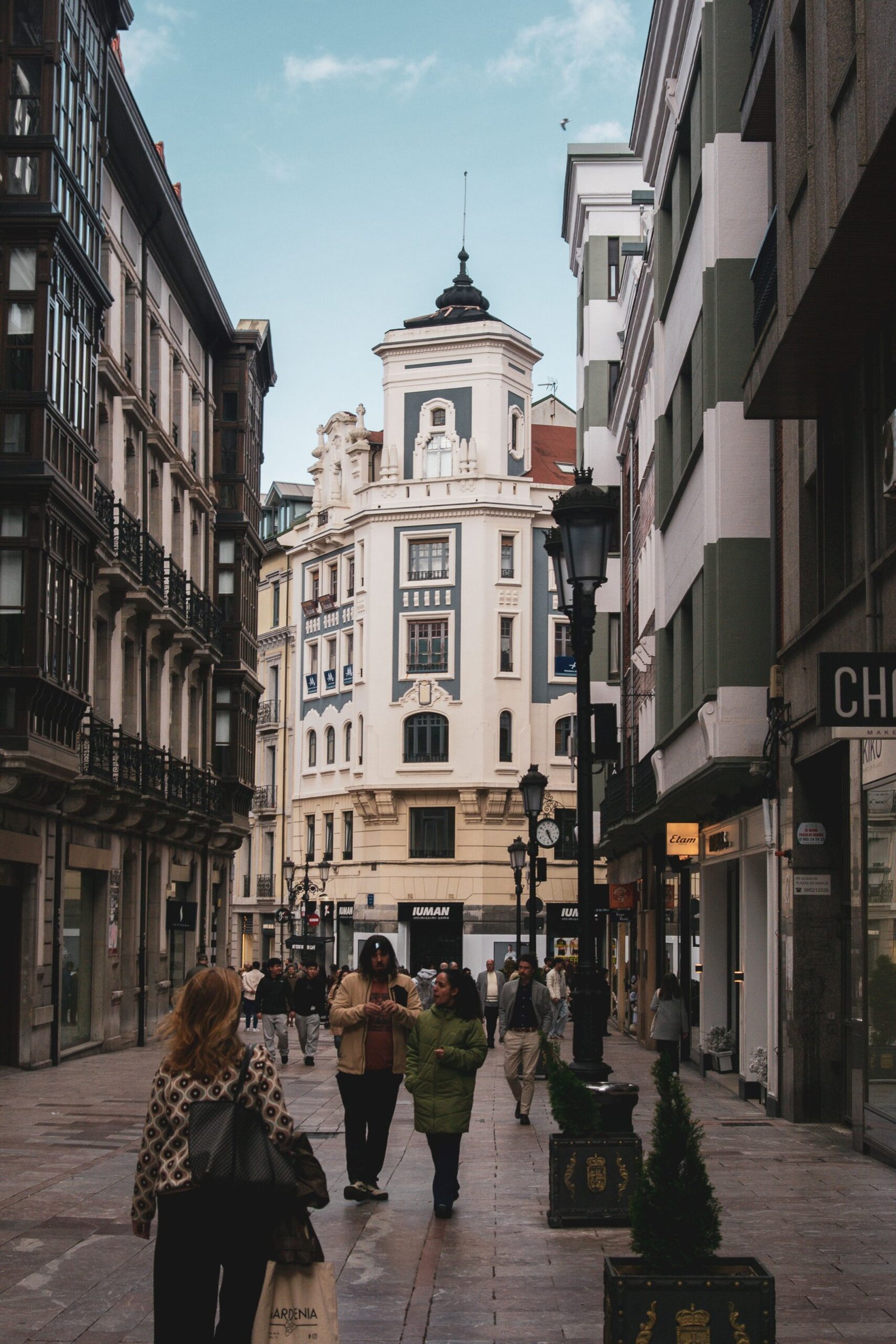
A compact, walkable capital built around pre-Romanesque churches recognised by UNESCO — one of the highest concentrations of early medieval architecture in Europe. Oviedo consistently ranks among Spain's best cities for quality of life, with a well-preserved old town, strong public services and a genuinely liveable, low-stress pace that draws comparisons to a smaller Northern European capital more than a Spanish one.
Beach in the city
Gijón
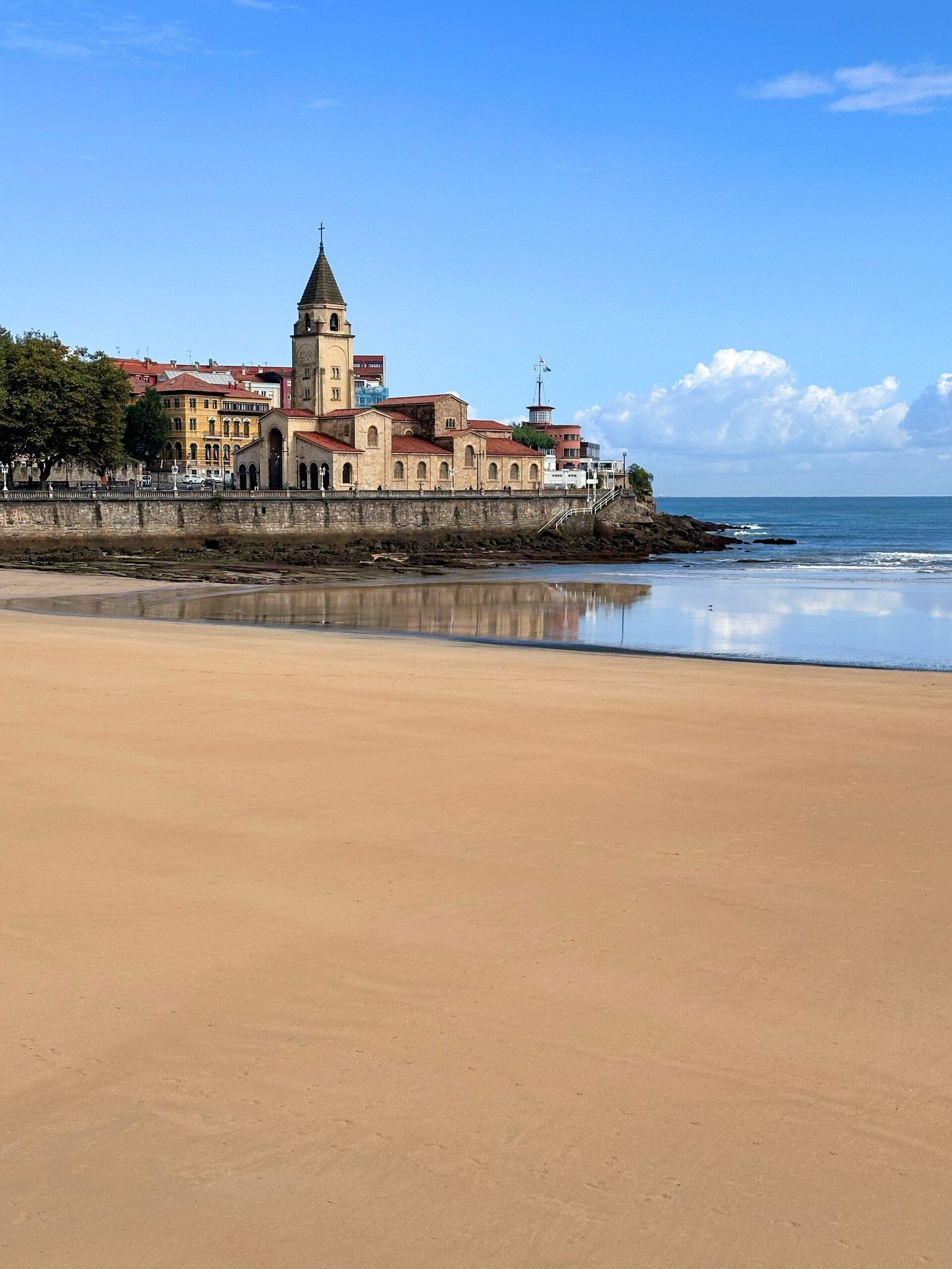
Asturias's largest city and its most cosmopolitan, with the urban San Lorenzo beach running right along the seafront promenade. Gijón's port heritage and its university give it a younger, more open feel than Oviedo, with a strong café and cider-house culture and the region's best transport links.
Fishing villages and cliffs
The Western & Eastern Coast
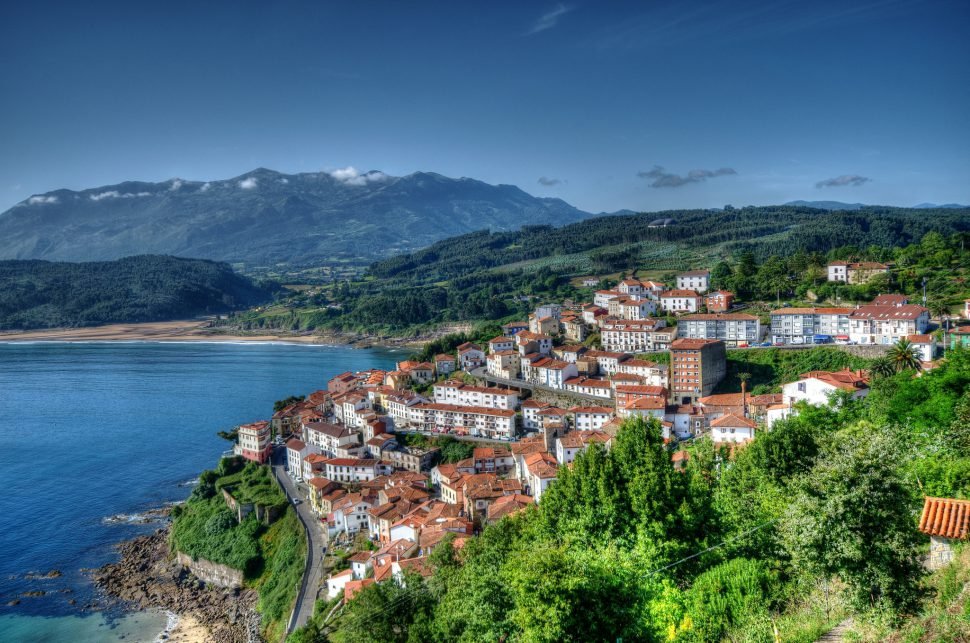
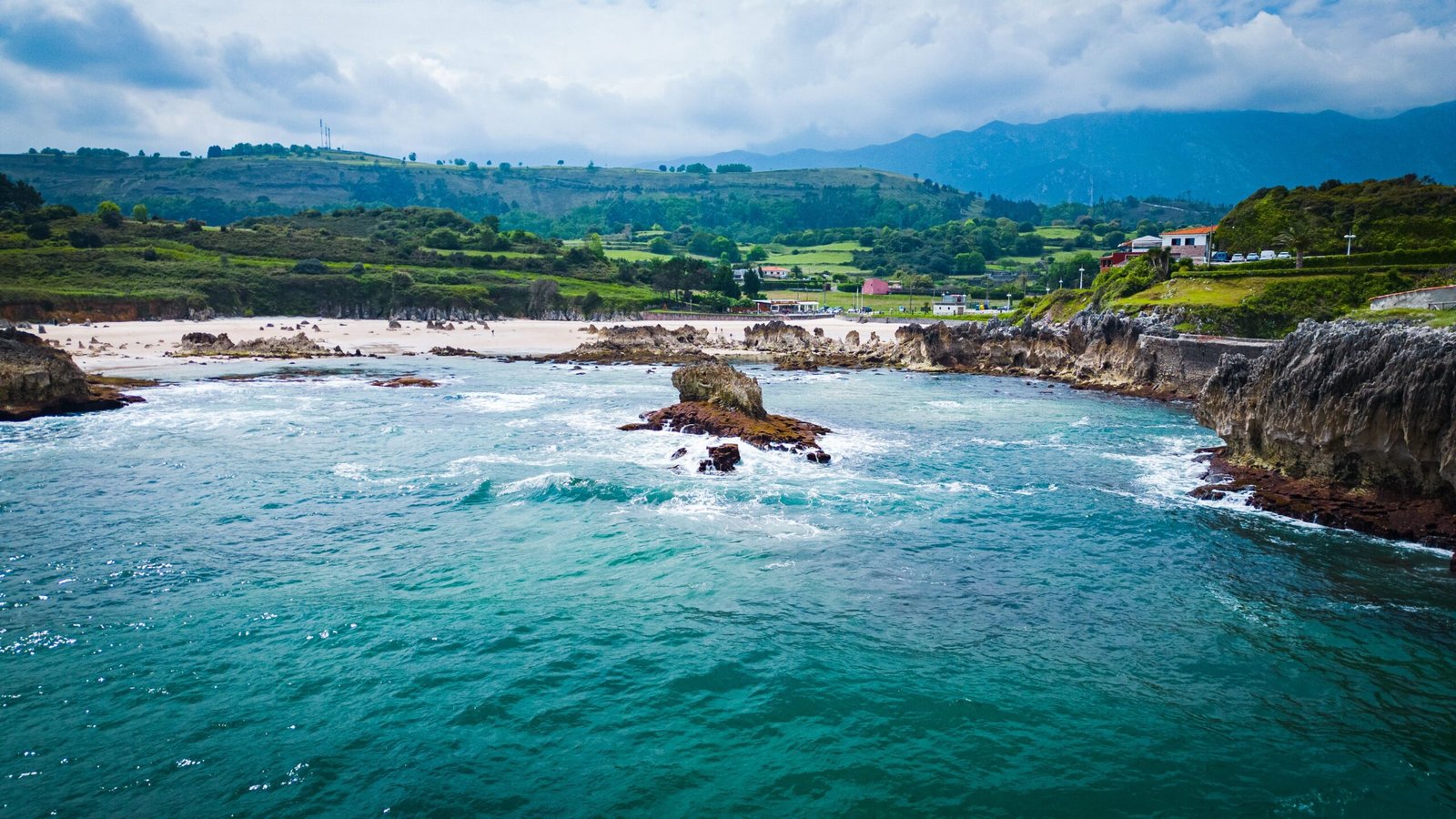
Villages like Cudillero, Llanes and Luarca — brightly painted houses stacked into cliffside harbours — hold the most photogenic and increasingly sought-after coastal property in Asturias, along with some of the best-preserved traditional architecture on Spain's northern coast. This remains a small, slow-moving market compared to the Mediterranean, which is exactly its appeal.
Spain's first national park
Picos de Europa
Jagged limestone peaks rising straight from the coast, with mountain villages like Cangas de Onís and Covadonga as gateways. Property here is almost entirely second homes and rural inns (casas rurales) — a genuinely different kind of ownership from a beach apartment, aimed squarely at buyers who want mountains, silence and hiking access above all else.
The food that comes with the house
Hearty, mountain-and-sea cooking, built around beans, cider and some of the best blue cheese in Europe.

Fabada asturiana
A rich white-bean stew with chorizo, morcilla and pork shoulder — Asturias's signature dish, and the standard by which every Asturian judges a restaurant.
Cachopo
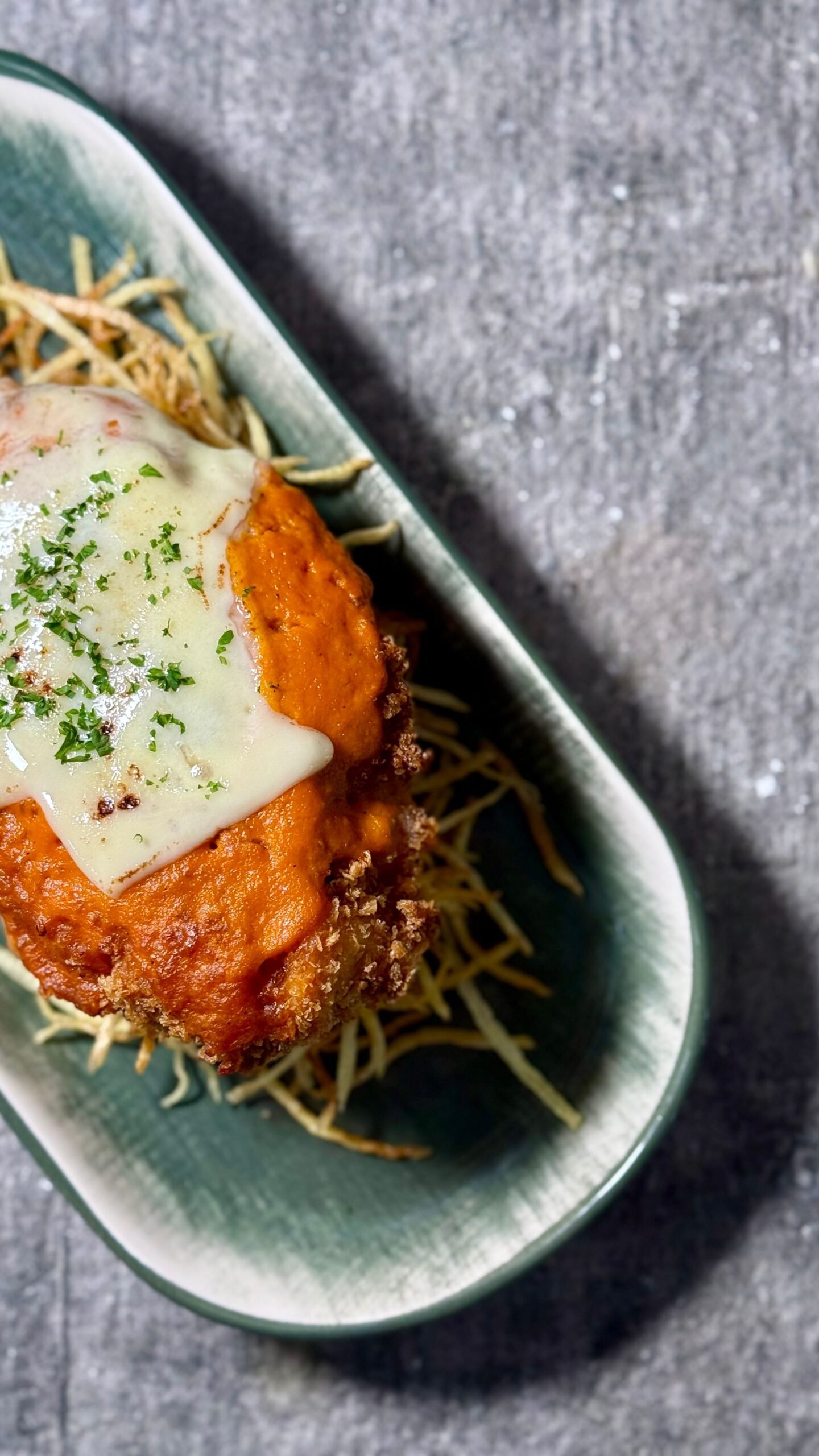
Two breaded, fried veal fillets stuffed with ham and cheese — enormous, unapologetically indulgent, and now something of a national obsession beyond Asturias itself.

Sidra natural
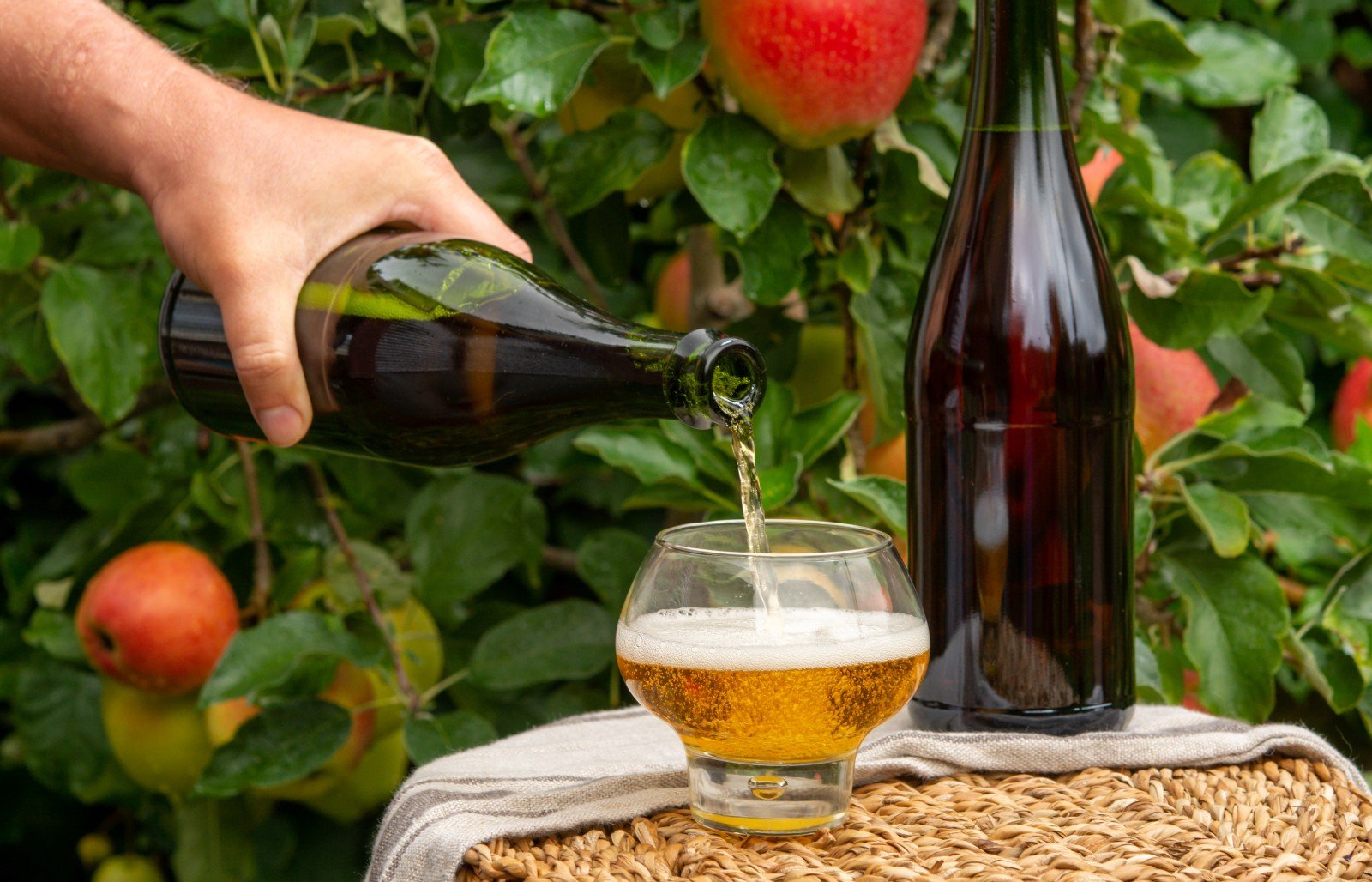
Poured from a bottle held high above the head into a glass at waist level to aerate it — a skill (escanciar) that's practically a local sport, and central to Asturian social life.

Queso de Cabrales
A powerful, DOP-protected blue cheese aged in mountain caves in the Picos de Europa — regularly ranked among the best cheeses in the world.

Percebes & Cantabrian seafood
Goose barnacles harvested by hand from wave-battered rocks are an Asturian delicacy, alongside the region's excellent fresh fish and shellfish from the cold Cantabrian Sea.
Sidrería culture
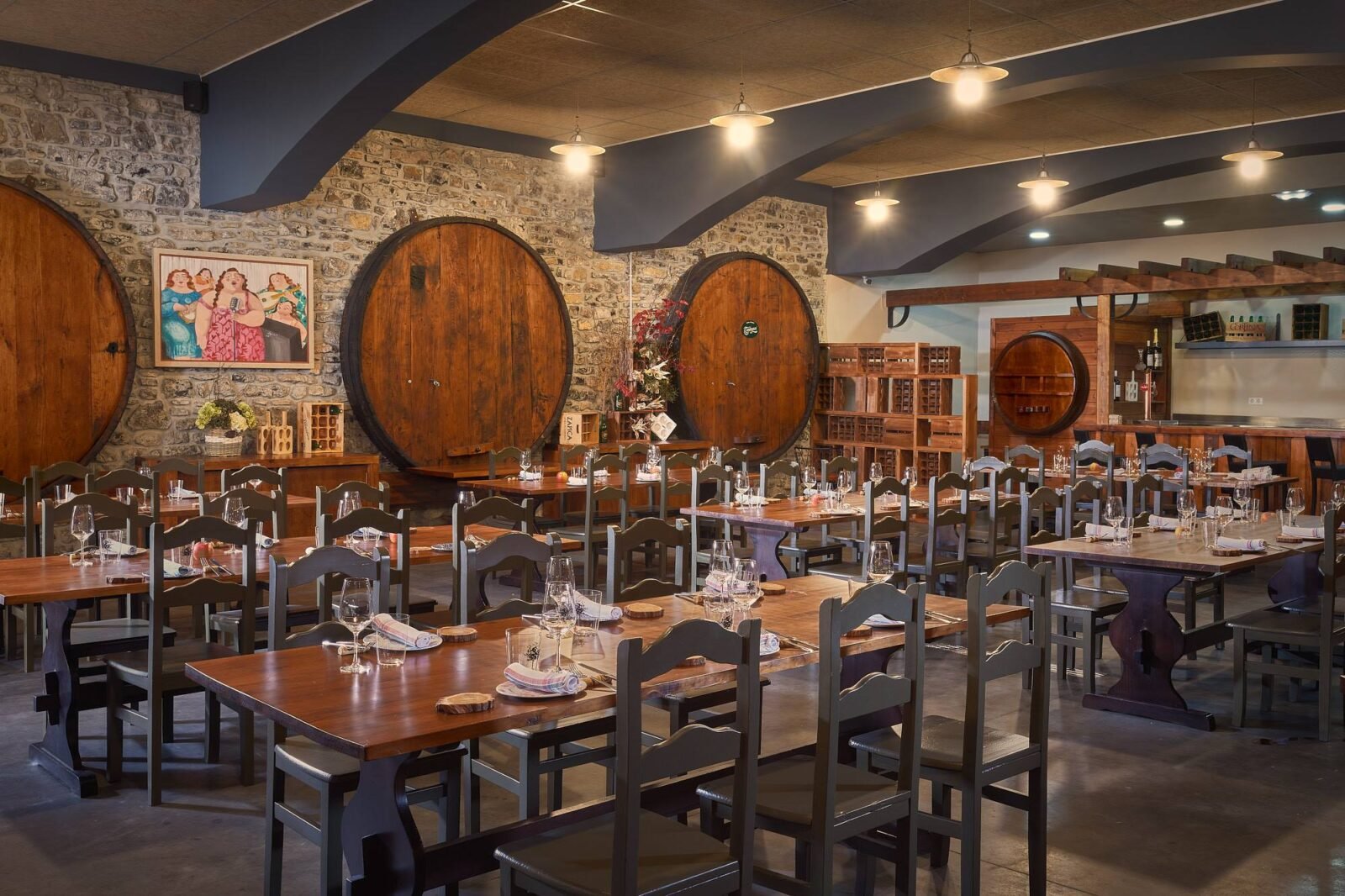
Oviedo's "Boulevard de la Sidra" and its equivalents across the region are where daily life happens — cider houses serving simple, generous food, meant for long lunches with friends.
A cider region, not a wine one
Asturias produces roughly 80% of Spain's cider, and orchards are as much a part of the landscape here as vineyards are further south. For residents, that means a genuinely different rhythm to local social life — cider houses (sidrerías) rather than wine bars, and an autumn apple harvest that shapes the calendar much the way the grape harvest does elsewhere.


Rivers, romerías and a thousand years of pilgrimage
Asturian culture is quieter and more rural than the fireworks-and-crowds festivals further south — rooted in nature, water and village life.
Descenso del Sella
A 20km canoe race down the Sella river from Arriondas to Ribadesella, first held in 1930, that turns into a region-wide summer party — over a thousand paddlers and hundreds of thousands of spectators line the banks.
Covadonga pilgrimage
The sanctuary where the Reconquista is said to have begun draws pilgrims and locals for one of Asturias's most important religious festivals, set against the dramatic backdrop of the Picos de Europa.
Village romerías
Every parish holds its own summer romería — an outdoor festival with food, cider and traditional gaita (Asturian bagpipe) music, echoing the region's Celtic heritage.
The Camino Primitivo
The oldest of the Caminos de Santiago runs through Asturias, and pilgrim culture — albergues, way-markers, the rhythm of walkers passing through — is a quiet but constant thread in daily village life.
Market days
El Fontán market in Oviedo and weekly markets across the region's towns remain genuine social fixtures, selling local produce, cheese and cider rather than souvenirs.
Mountains, waves and a national park at your door
This is Spain's outdoor-sport region: hiking, surfing and canoeing here rival anywhere in Western Europe.
Featured
Cold-water surfing on the Cantabrian coast
Asturias has quietly become one of Europe's most respected surf destinations, with a consistent Atlantic swell and none of the crowds of better-known breaks further south.
Rodiles (Villaviciosa) — one of Spain's best right-hand river-mouth waves. Tapia de Casariego — a former host of the World Surfing Games. Playa de Vega (Ribadesella) — a long, reliable beach break, good for all levels.

Hiking the Picos de Europa
From the gentle Lagos de Covadonga walk to the demanding Ruta del Cares gorge trail, the national park offers hiking for every level, with mountain refuges open in summer.
Canoeing & river sports
The Sella river is Spain's best-known canoeing destination outside race season, with rental outfits in Arriondas offering the same route as the famous descent, at a gentler pace.
Caving
The karst limestone of the Picos de Europa contains some of the deepest cave systems in the world, drawing serious caving expeditions alongside more accessible show caves.
Golf
A small but growing scene, led by Real Club de Golf de Castiello near Gijón and La Barganiza outside Oviedo — modest in scale compared to the south, but scenic and uncrowded.
Cider route
Villaviciosa and Nava, at the heart of Asturias's cider country, offer llagar (cider mill) visits and tastings — a genuinely local alternative to a wine route.
Cycling & the Vasco-Navarro greenway
Disused mining railways have been converted into scenic cycling greenways across the region, offering flat, traffic-free routes through some of the most dramatic scenery in Spain.
A smaller, newer international community
Asturias doesn't have the decades-old British retiree infrastructure of the southern coasts — and buyers here should go in with that clearly understood. What's here instead is a smaller, more recent mix of remote workers, nature-focused second-home owners, and pilgrims-turned-residents, alongside genuine local services increasingly used to foreign buyers.
International Education
- The English School of Asturias The region's only fully British-curriculum school, located between Oviedo and Gijón, serving families from over 30 nationalities.
- Colegio Meres Asturias's only IB World School, offering an internationally recognised curriculum near Siero.
- Palacio de Granda A bilingual international school with boarding options, set in a rural campus between Oviedo and Gijón.
Getting Oriented
- British Consulate services (via Bilbao/Madrid) Asturias is covered by the wider UK consular network in northern Spain rather than a dedicated local office — worth planning around.
- Camino de Santiago pilgrim networks Albergue hosts and Camino associations are often the first point of contact for foreign residents who arrived on foot before they arrived as buyers.
- Local Facebook & expat groups Informal but active online communities for English-speaking residents across Oviedo, Gijón and the coastal villages.
- Surf, hiking & cider clubs The fastest way to build a local circle here is through a shared activity rather than a formal expat association — this is a region that integrates through doing, not joining.
Start your search in Asturias
Tell us which area interests you — Oviedo, Gijón, the coastal villages, or the Picos de Europa — and one of our advisors will be in touch within 24 hours.
Request a free consultation →