Andalucía
Spain's original international coast
Andalucía is where foreign homeownership in Spain began, and it remains the country's most mature and liquid property market for international buyers. From the marinas of the Costa del Sol to the whitewashed hill towns of Cádiz and the palaces of Granada, this is a region built around welcoming outsiders — with the infrastructure, schools and services to prove it.
Two international airports (Málaga and Sevilla) connect the region directly to Ireland, the UK and, seasonally, North America, while the AVE high-speed rail links every provincial capital in under two hours.
Property here spans everything from beachfront apartments in Marbella to restored cortijos in the campo, giving buyers a far wider range of lifestyles — and price points — than almost anywhere else on the Mediterranean.
Speak to an Andalucía specialist →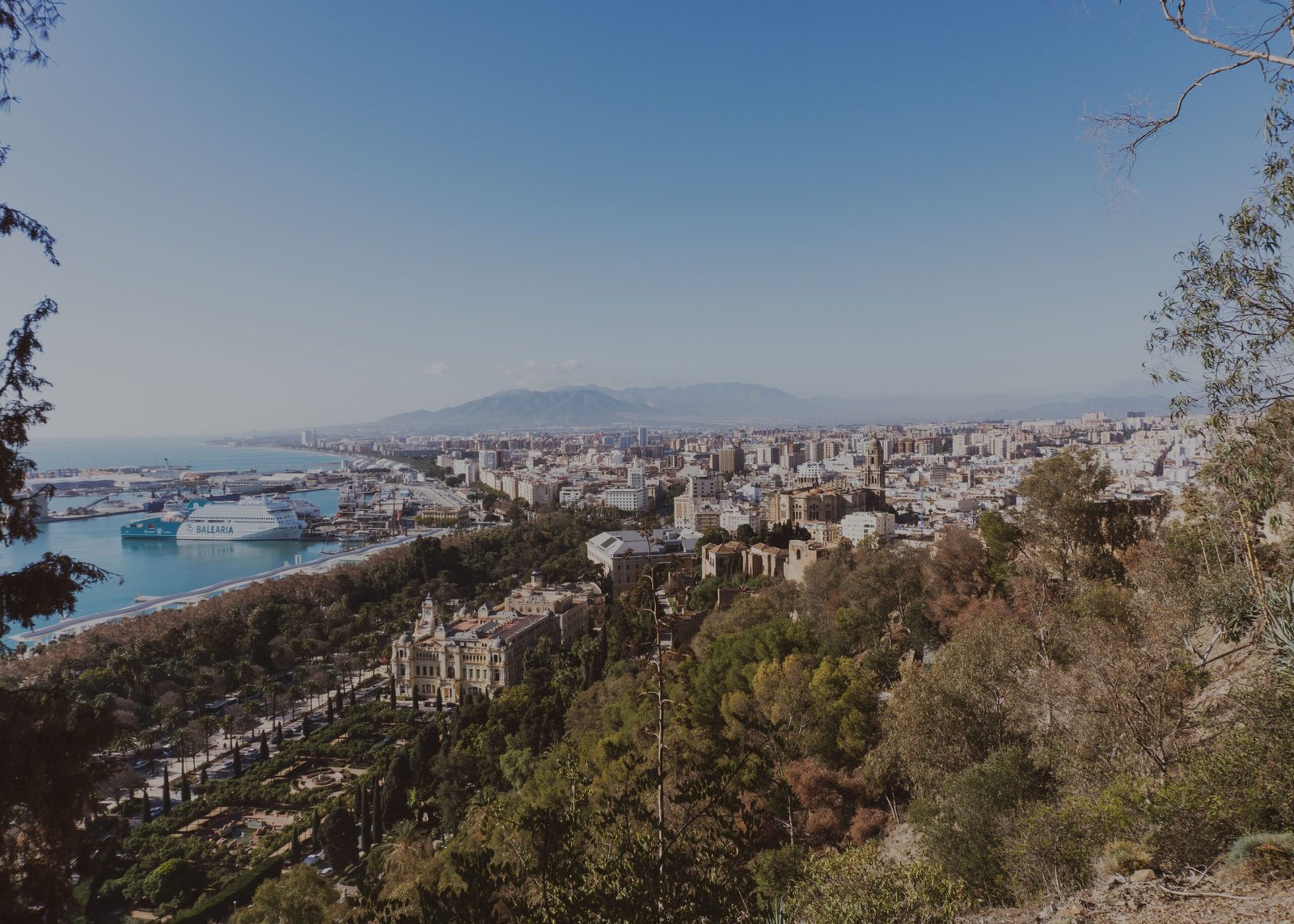 Ronda, Málaga
Four provinces, four ways of living
Andalucía has eight provinces in total — these four are where the vast majority of international buyers settle.
The Costa del Sol
Málaga
Marbella, Estepona, Fuengirola and Puerto Banús: the best-known stretch of coastline in Spain, and the deepest, most established international property market in the country. International schools, private hospitals, marinas and golf courses sit alongside a genuinely cosmopolitan social scene that runs twelve months a year, not just in summer.
Golf, sherry and the Atlantic coast
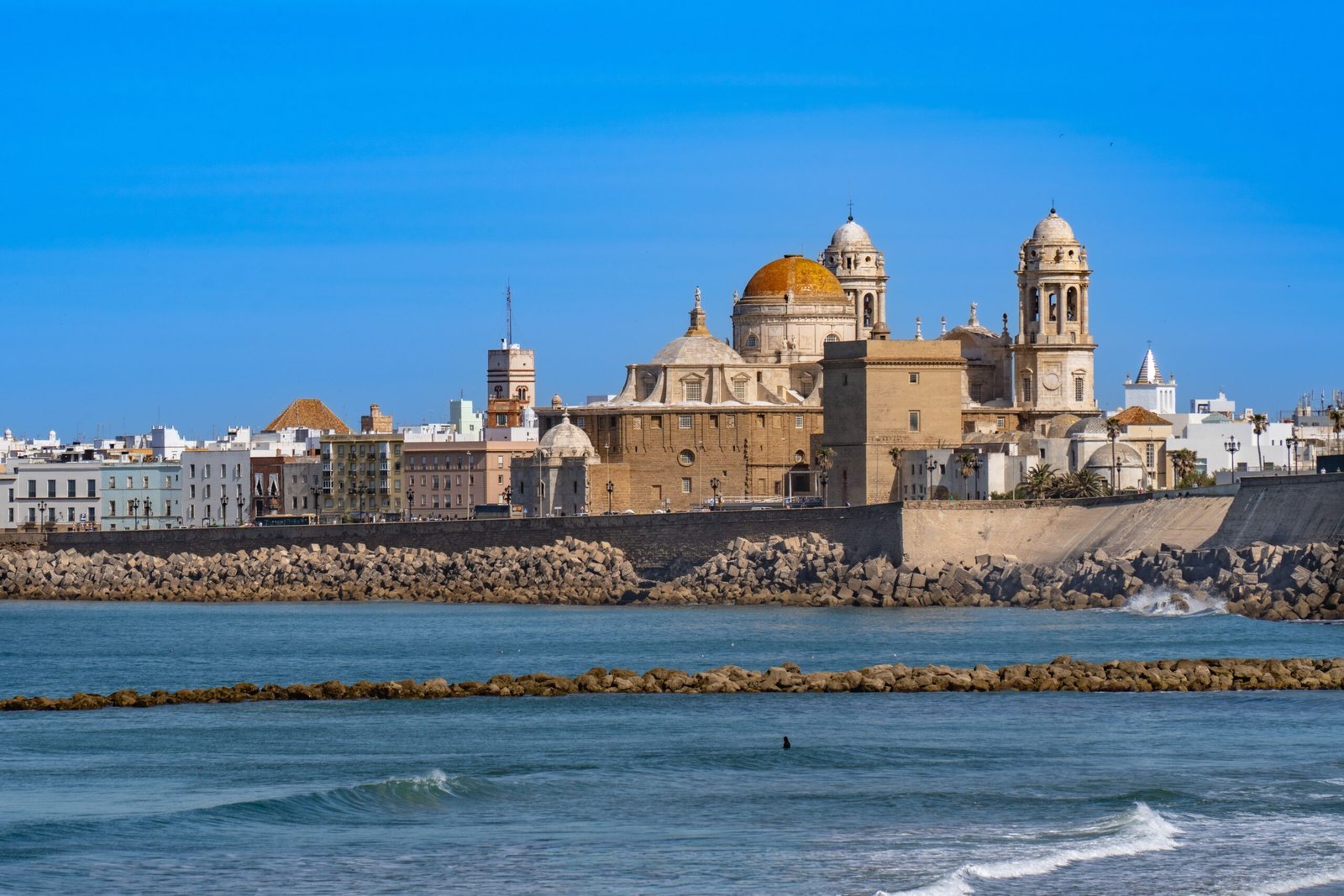
Cádiz
Sotogrande, Tarifa, Jerez and the walled old town of Cádiz itself. Quieter and greener than the Costa del Sol, with Atlantic beaches, world-class sherry bodegas, and Sotogrande's private, gated community of polo fields, marinas and championship golf courses — long favoured by British and Northern European buyers seeking privacy.
The Alhambra and the Sierra Nevada
Granada
A UNESCO World Heritage city, a ski resort under an hour away, and the subtropical Costa Tropical coastline at Almuñécar and Salobreña. Granada offers the lowest entry prices of any major Andalusian province, along with a university-city energy that Marbella doesn't have — and the rare ability to ski and swim in the same weekend.

Andalucía's cultural capital
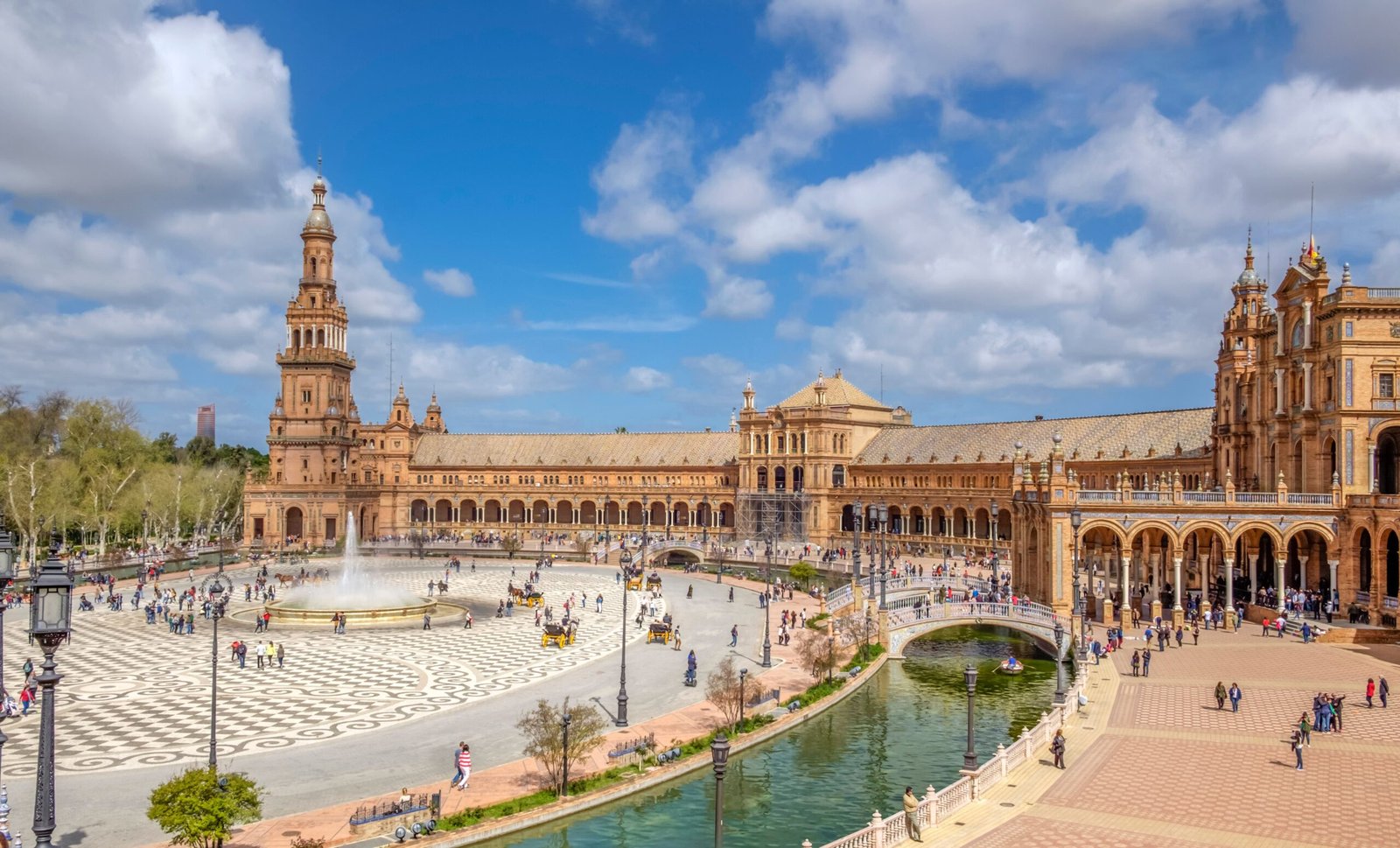
Sevilla
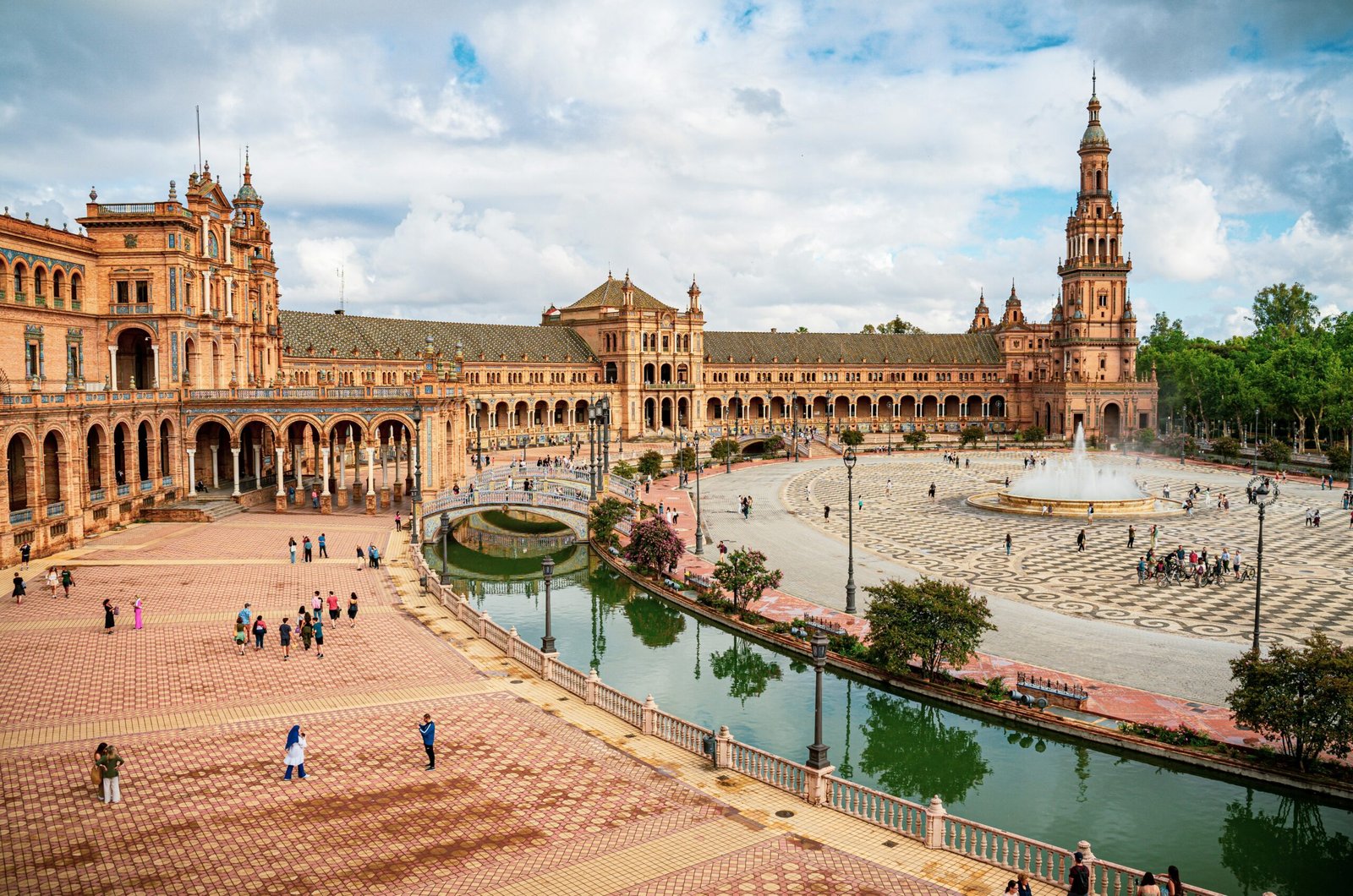
An inland option for buyers who want the region's history, festivals and flamenco heartland rather than beachfront life. Sevilla's centre is a working, year-round Spanish city — increasingly popular with buyers looking for renovation projects in a UNESCO-listed old town, at a fraction of coastal prices.
The food that comes with the house
Andalusian cooking is the root of what most of the world thinks of as "Spanish food" — built around fresh produce, olive oil, sherry and the sea.

Gazpacho
Cold blended tomato, pepper, cucumber and garlic soup — Andalucía's answer to the summer heat, and on every menu from May to September.

Salmorejo
Córdoba's thicker, creamier cousin of gazpacho, topped with chopped jamón and hard-boiled egg. Order it as a starter, not a soup.
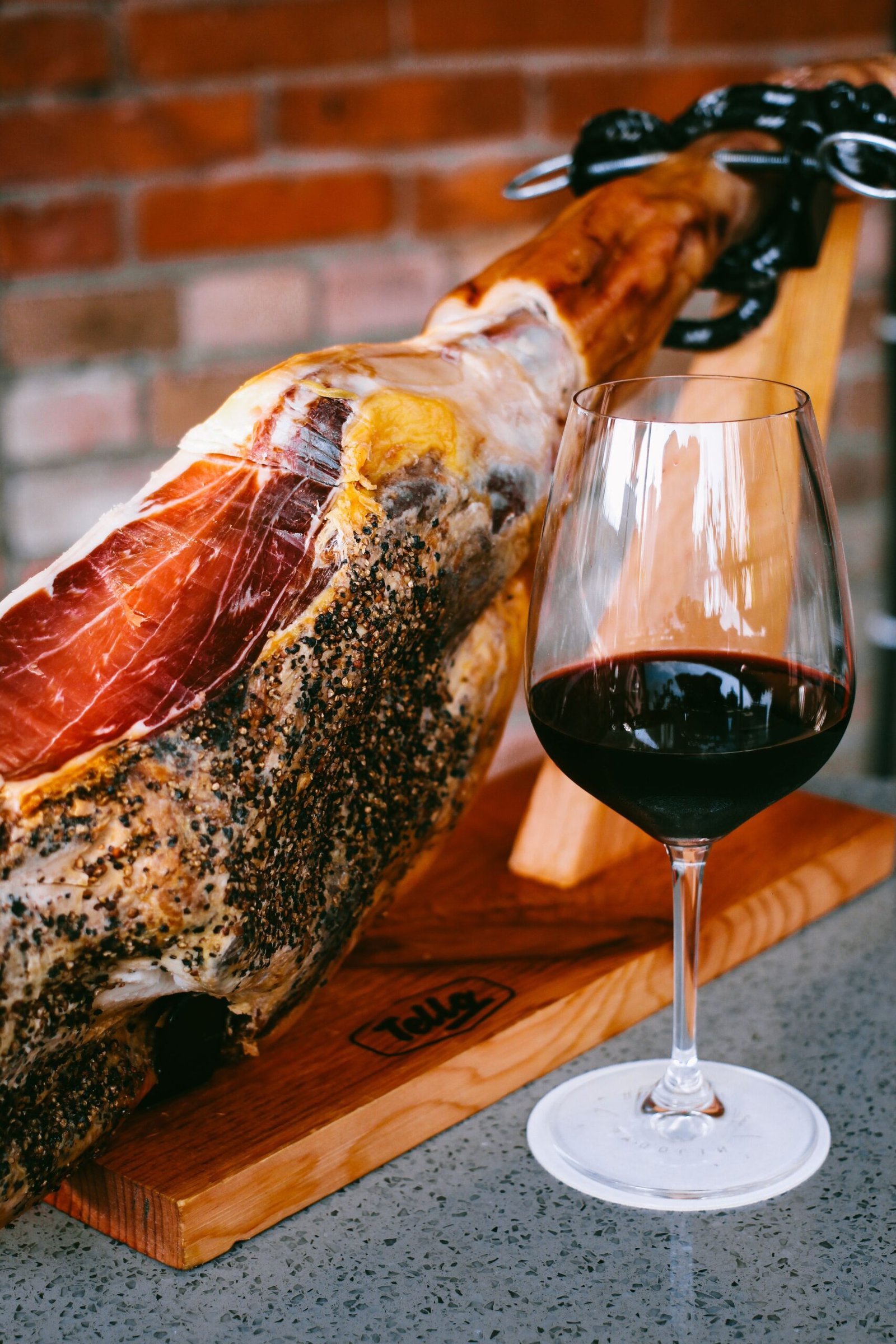
Jamón ibérico
The acorn-fed black Iberian pig is farmed across the Sierra de Aracena and Los Pedroches — some of the best jamón in Spain is cured within an hour of Sevilla.
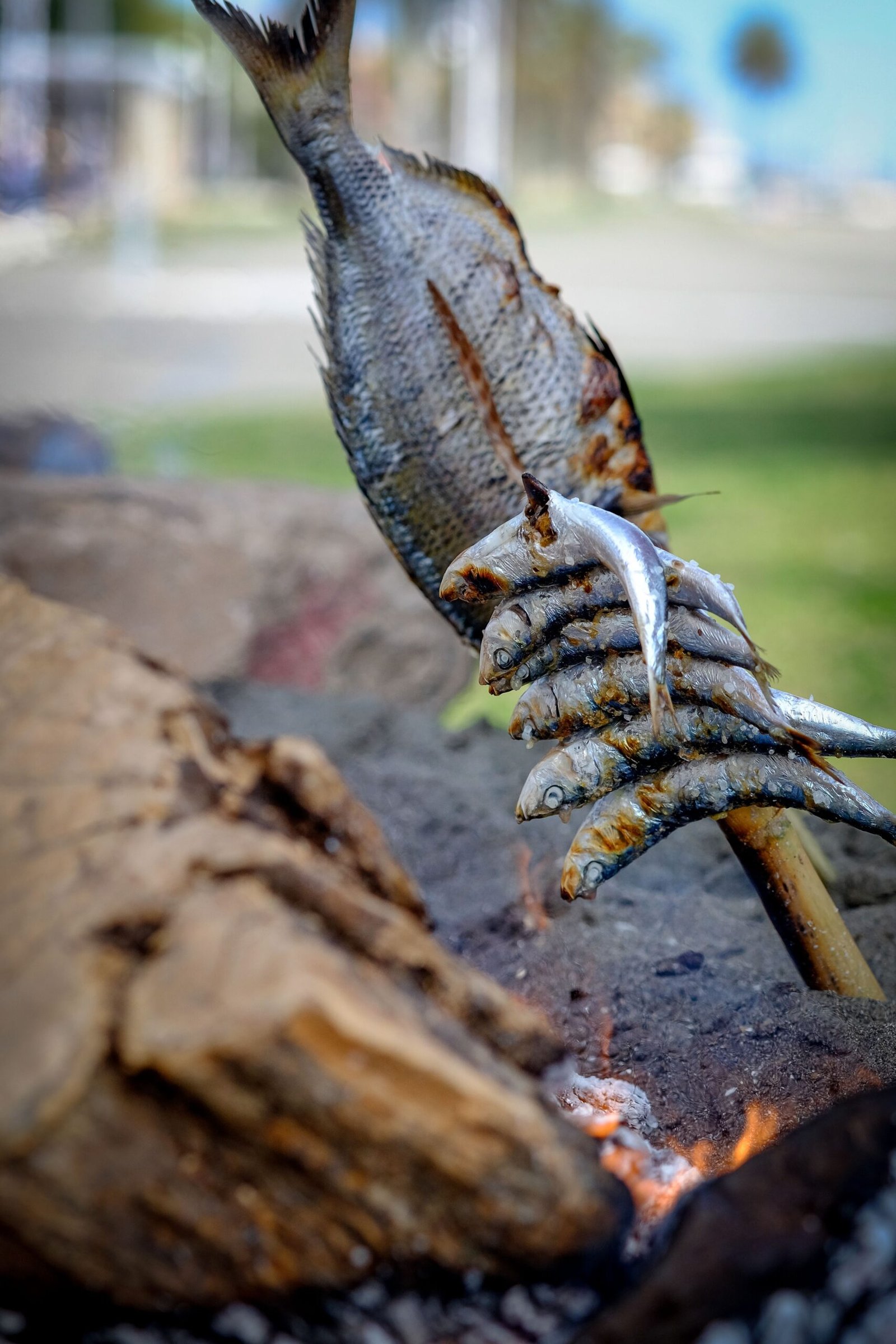
Pescaíto frito
Lightly battered, flash-fried small fish — anchovies, squid, whitebait — the defining dish of Málaga and Cádiz's coastal chiringuitos.
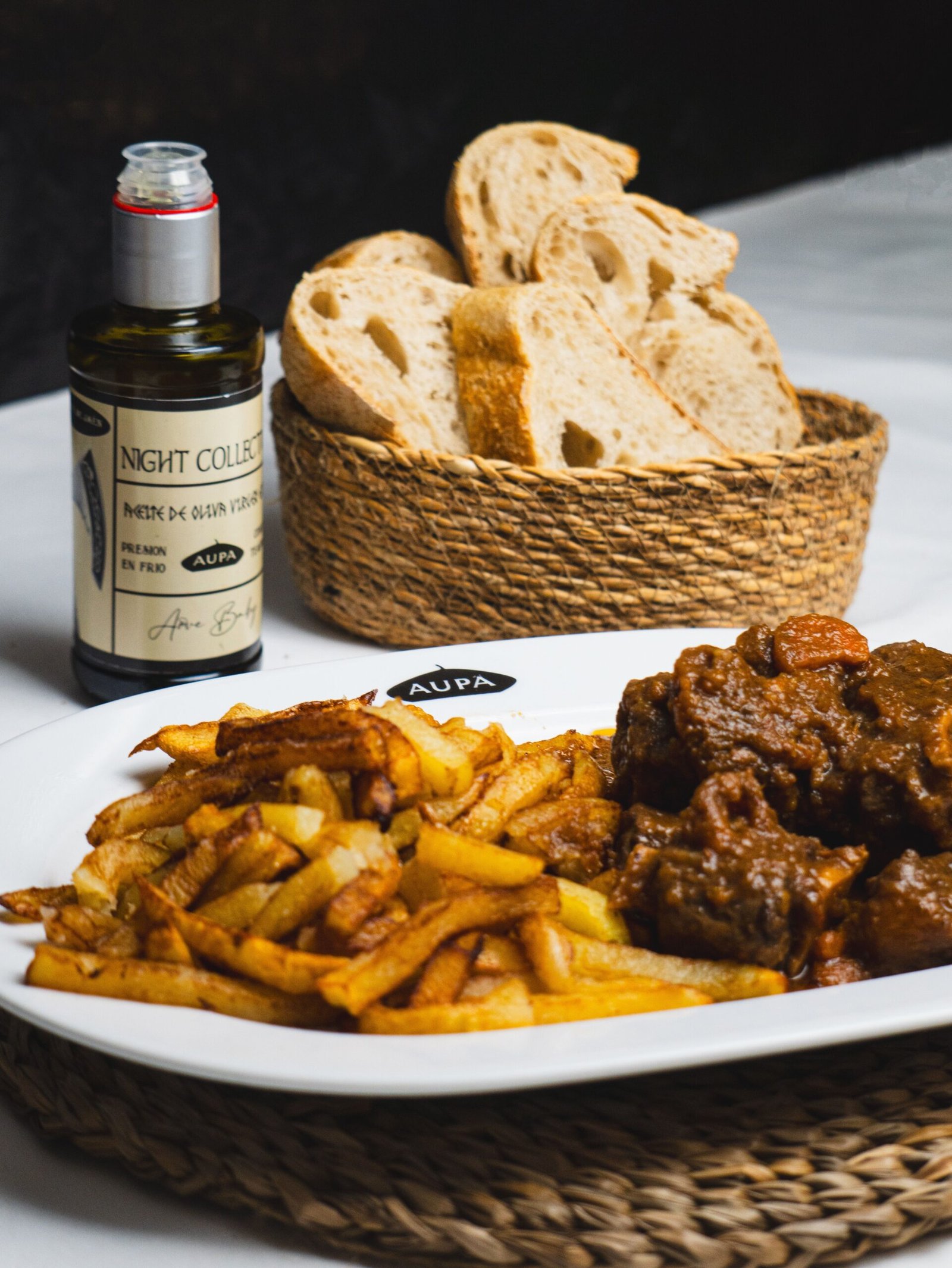
Rabo de toro
Slow-braised oxtail in a rich wine sauce, a Córdoba and Sevilla classic and one of the region's great cold-weather dishes.
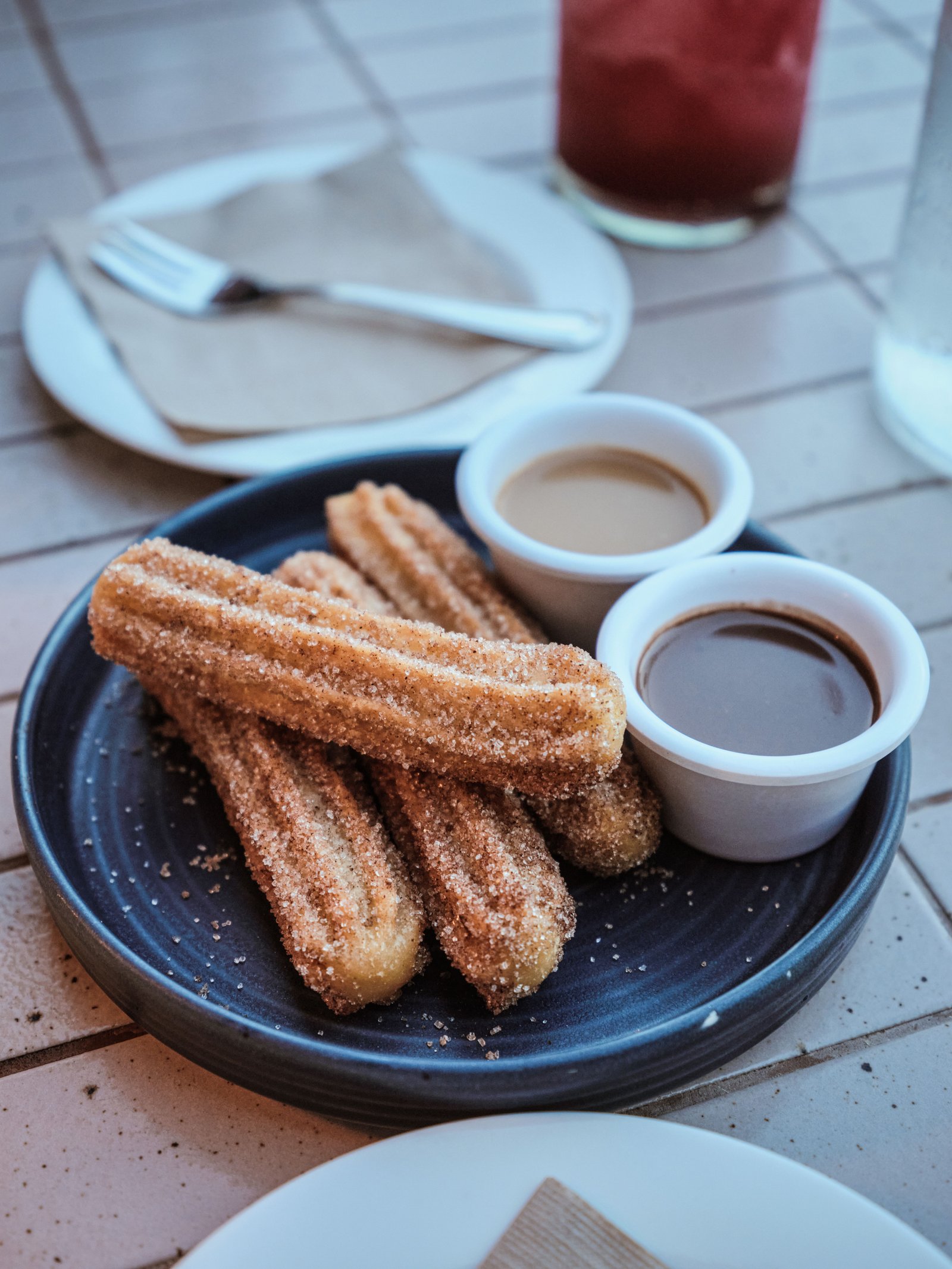
Churros con chocolate
Fried dough dipped in thick hot chocolate — the traditional start (or end) to a night out, still served at dawn in Málaga and Granada.
Sherry country
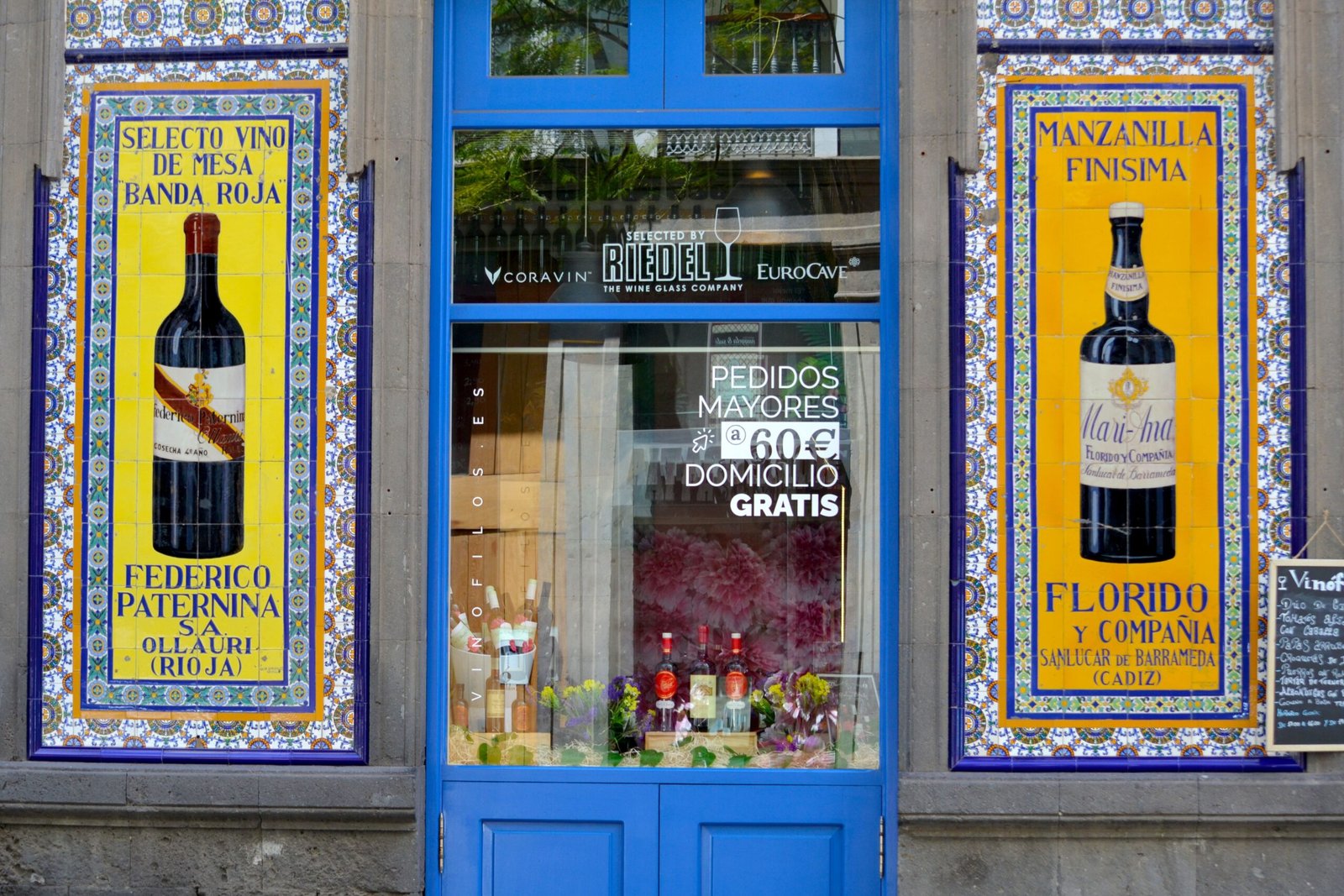
Jerez de la Frontera gives its name to sherry itself, and the bodegas of the "sherry triangle" — Jerez, Sanlúcar and El Puerto de Santa María — remain some of the most atmospheric wine tourism in Spain. A dry fino or manzanilla, served chilled, is the region's answer to an aperitif, and tasting tours are a favourite weekend outing for residents of the Costa de la Luz.
A calendar built on celebration
Andalucía doesn't just tolerate its traditions — it schedules the year around them.
Semana Santa
Holy Week processions with elaborate floats (pasos) carried through the streets by hooded brotherhoods, accompanied by saeta singing. Sevilla, Málaga and Granada's processions are among the most solemn and spectacular in the world.
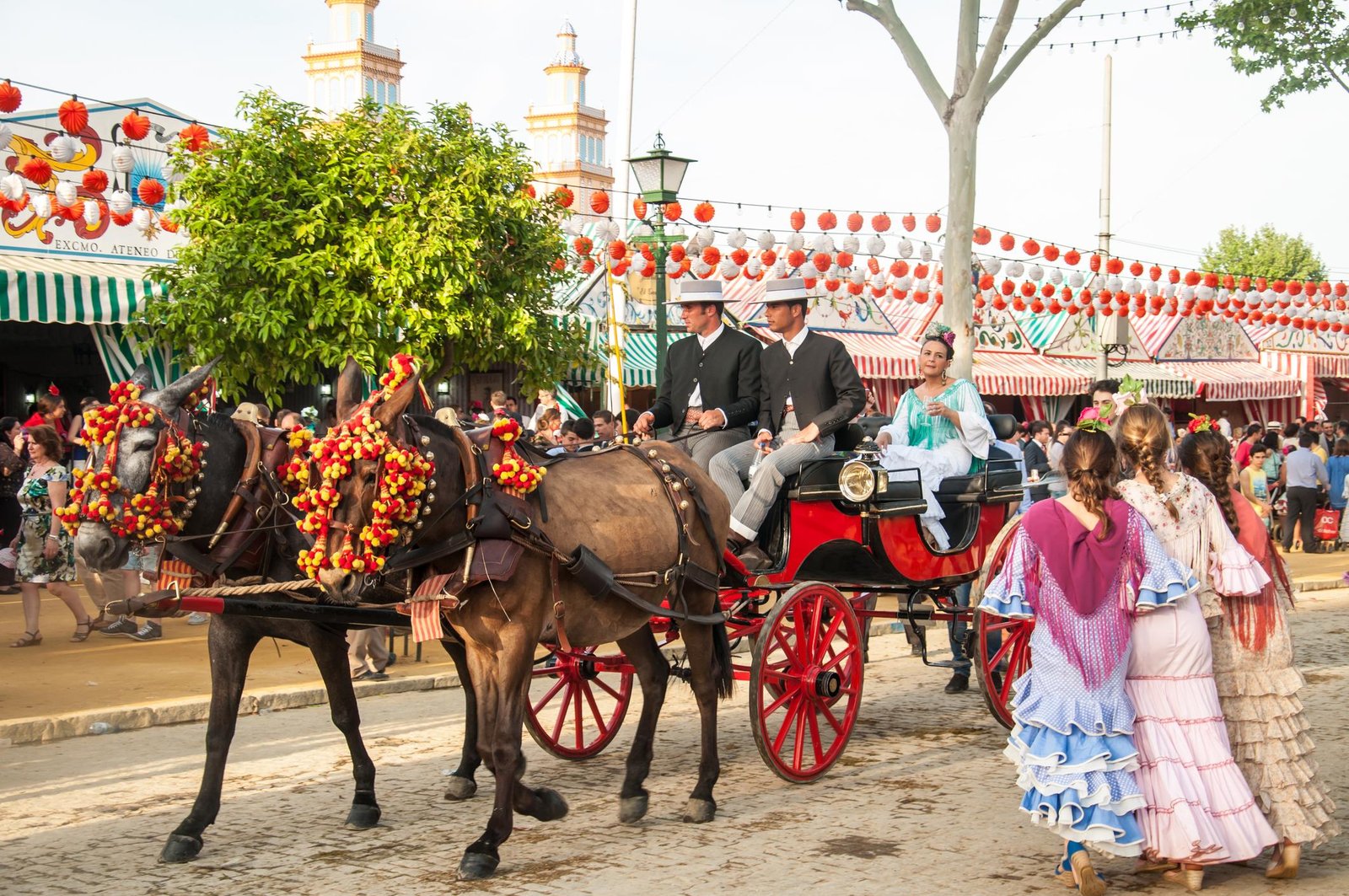
Feria de Abril
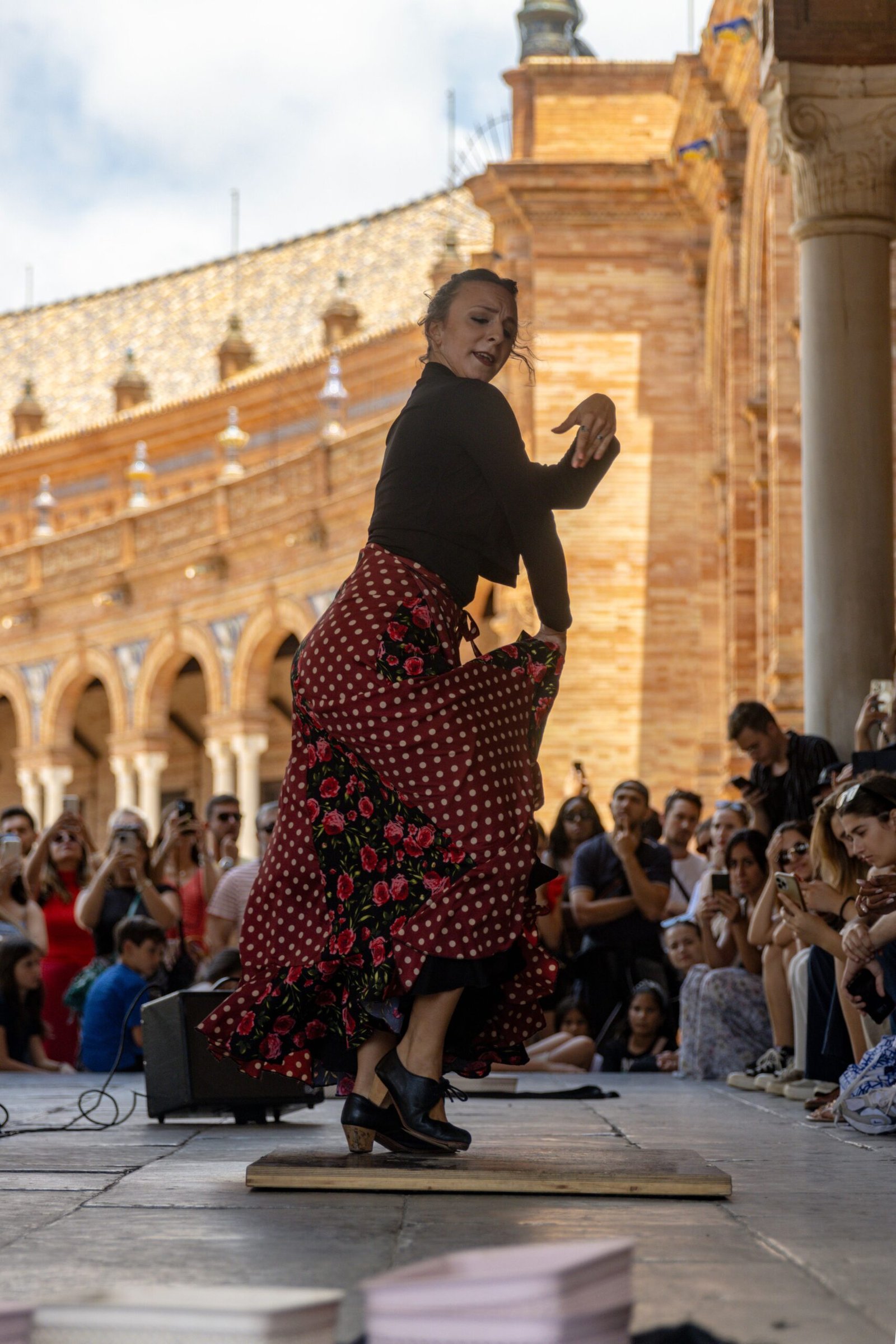
Two weeks after Easter, Sevilla fills a fairground with hundreds of striped casetas (marquees), flamenco dresses, sherry and all-night dancing — the social event of the Andalusian year.
Carnaval de Cádiz
Considered Spain's best carnival: satirical street performers, costumed choirs (chirigotas) and a city that doesn't sleep for two weeks.
Romería del Rocío
Up to a million pilgrims travel on foot, on horseback and by ox-drawn wagon to the village of El Rocío in Huelva — one of the largest religious gatherings in Europe.
Flamenco
Born in Andalucía and recognised by UNESCO, flamenco is performed nightly in tablaos across Sevilla, Granada and Jerez — not a tourist show, but a living local art form.
Golf, sailing and 300 days of sun
The Costa del Sol didn't earn the nickname "Costa del Golf" by accident — this is the highest concentration of golf courses anywhere in continental Europe.
Featured
The Costa del Golf
More than 70 courses stretch between Málaga and Sotogrande, several among the most decorated in Europe.
Real Club Valderrama — host of the 1997 Ryder Cup and long ranked the best course in continental Europe. Real Club de Golf Sotogrande — a discreet, members-first classic. Finca Cortesín — host of the 2023 Solheim Cup, among the region's most exclusive private clubs.

Sailing & marinas
Puerto Banús and Sotogrande are two of Spain's most prestigious marinas, with regatta calendars and yacht club membership sought after across Europe.
Hiking & the pueblos blancos
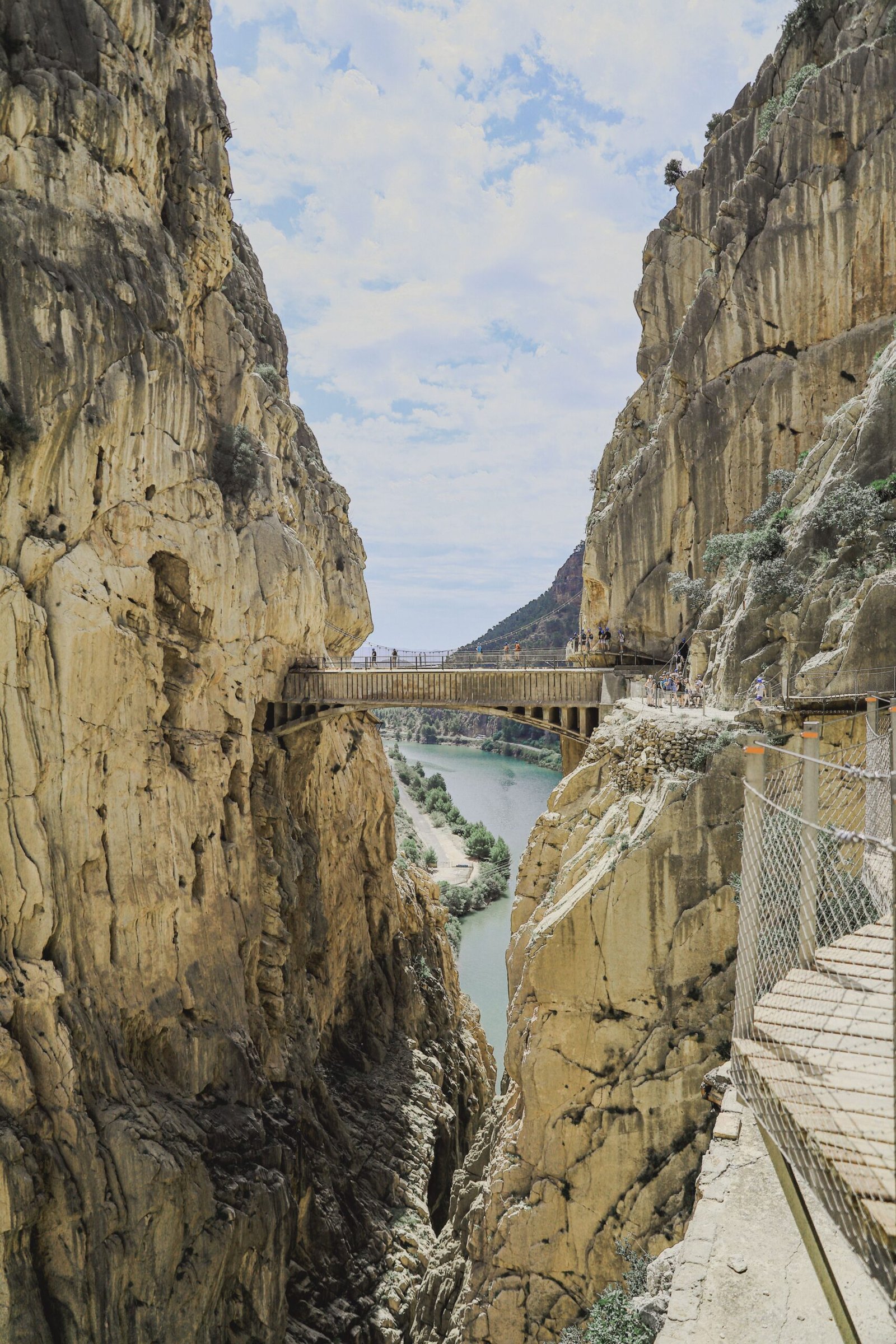
The white villages of the Sierra de Grazalema and the Caminito del Rey gorge walk draw hikers year-round, with mild winters ideal for trail season.
Skiing in Sierra Nevada
Europe's southernmost ski resort, under an hour from Granada — uniquely, you can ski in the morning and be on a Costa Tropical beach by afternoon.
Sherry & wine routes
The Jerez sherry triangle and the emerging wines of the Ronda highlands, with bodega visits and tastings a core part of local social life.
Padel & tennis clubs
Padel was practically invented for this climate — the Costa del Sol has one of the densest club networks in Europe, with leagues open to residents year-round.
Golf
More than 70 courses across Málaga and Cádiz provinces, several among the highest-ranked in continental Europe — see featured above.
Spain's most established English-speaking community
British and Irish residents have been settling on this coast since the 1960s — no other region of Spain has deeper or more mature international infrastructure.
International Education
- Sotogrande International School British curriculum boarding and day school in Cádiz, one of the most established in Spain.
- The English International College, Marbella British National Curriculum from nursery to sixth form on the Costa del Sol.
- Swans International School British curriculum school near Marbella, established since the 1980s.
- Aloha College Marbella A bilingual British and Spanish curriculum school serving the international community around Nueva Andalucía.
Clubs & Associations
- British Chamber of Commerce in Spain (Costa del Sol) An active regional business network with regular networking events in Marbella.
- Marbella International Club A long-running social and cultural club for the international community on the Costa del Sol.
- Irish Society of the Costa del Sol A social and support network for the Irish community based around Fuengirola and Mijas.
- Golf, sailing & padel clubs with international membership Especially around Sotogrande and Marbella, where members are predominantly foreign residents.
Start your search in Andalucía
Tell us which area interests you — Costa del Sol, Sotogrande, Granada or Sevilla — and one of our advisors will be in touch within 24 hours.
Request a free consultation →